Somalia condemns Trump’s anti-migrant remarks after US President targets Somali community at rally
Ahmed noted that Somalia values Washington’s continued military support against Al-Shabaab but said the president’s words do not reflect the reality of Somali society.
Somalia’s Government has issued a strong response after United States President Donald Trump delivered new remarks targeting Somali migrants during a political rally in Pennsylvania.
The comments, which focused on migration and national security, have reopened tensions that have surfaced many times during Trump’s public appearances, especially when he speaks about immigration from African countries.
More To Read
- 15 Kenyans set for deportation as US labels them 'worst of the worst'
- Federal authorities plan large-scale immigration raids targeting Somali community in Minnesota, US
- Explainer: All you need to know about US gov't shutdown and its global impact
- Trump administration supports one-year extension of AGOA trade programme
- Uganda has signed a deal with US to take asylum seekers – what’s behind it and what’s at stake
- How Africa should reimagine its trade future upon AGOA’s expiry in September - experts
Trump used part of the rally, which was organised to highlight his economic message, to criticise migration from what he described as “Third World” countries.
While speaking about African nations, he focused on Somalia and said, "We always take people from Somalia, places that are a disaster, right?" He went on to describe Somalia as "Filthy, dirty, disgusting, ridden with crime" and added: "The only thing they're good at is going after ships," which he linked to past piracy incidents that once took place along the Somali coastline.
The new remarks came only days after Trump had referred to Somalis as “garbage” during a cabinet meeting. In that meeting, he claimed that people from Somalia "just run around killing each other." The comments brought concern both inside the United States and abroad, especially among Somali communities who have experienced repeated political attacks during Trump’s public speeches.
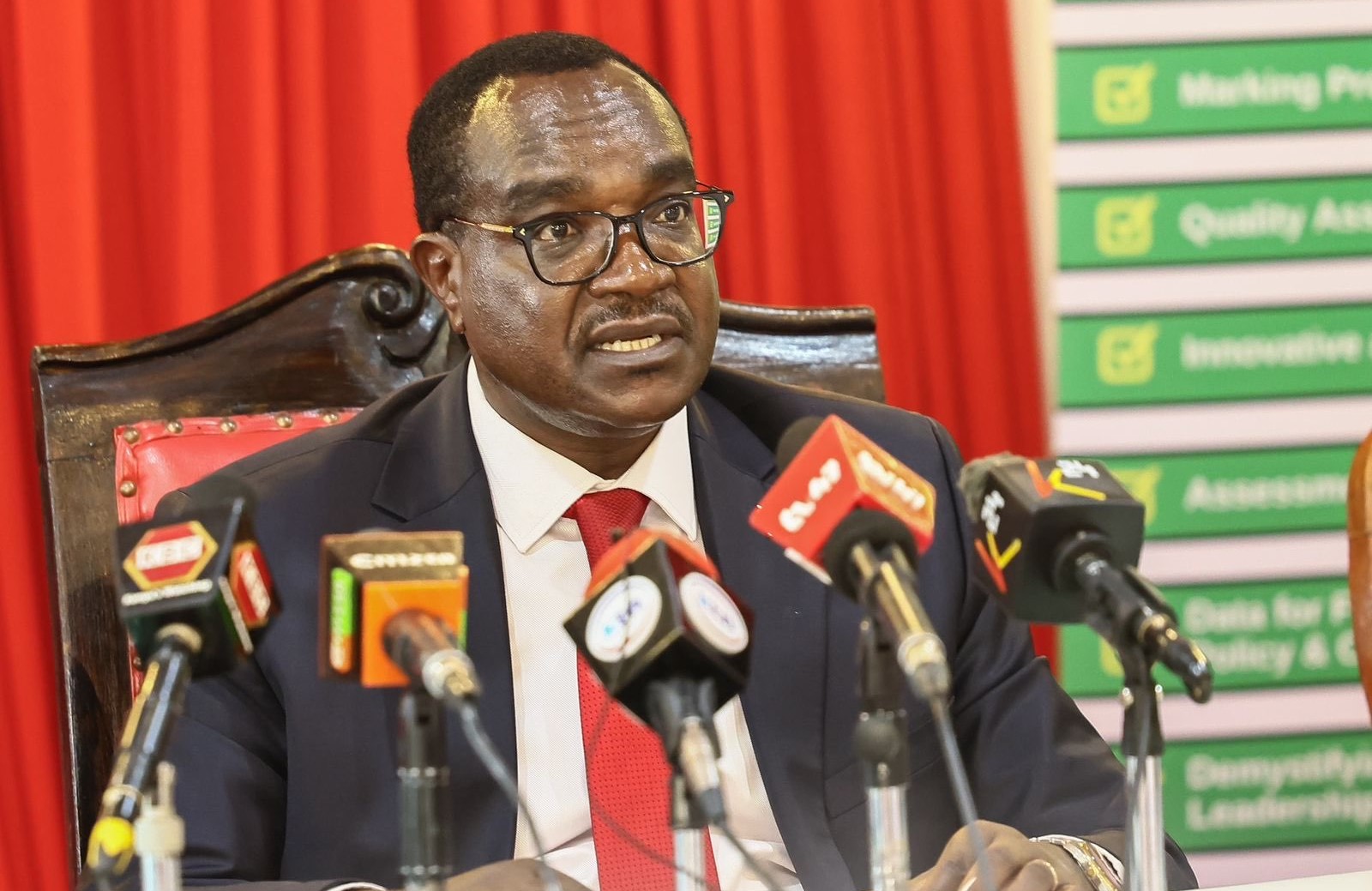
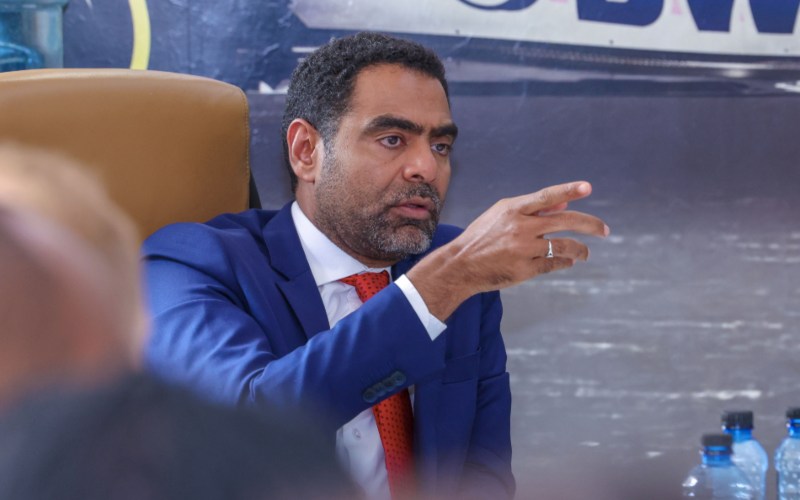
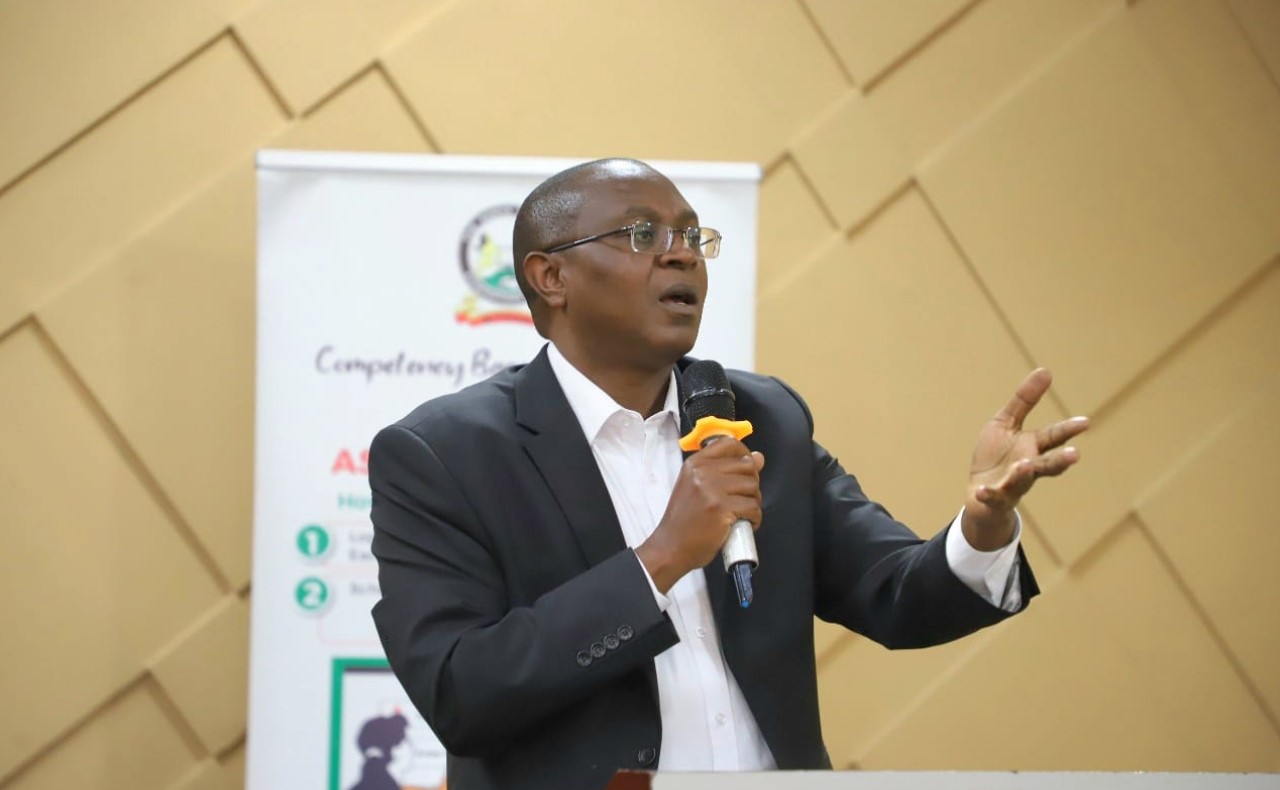
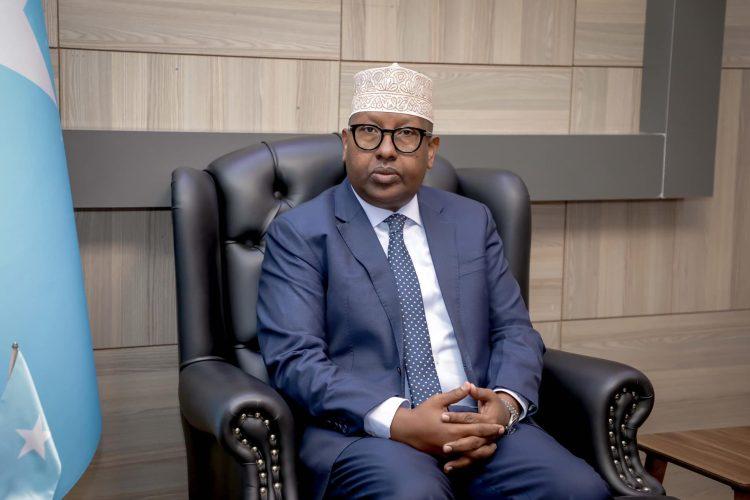
Somalia’s Defence Minister, Ahmed Moallim Fiqi, responded to the latest comments by rejecting the characterisations made by the US president.
He told Reuters in a text message that the American President should focus on the commitments he made to American citizens “rather than busying himself with Somalia.”
Ahmed noted that Somalia values Washington’s continued military support against Al-Shabaab but said the president’s words do not reflect the reality of Somali society.
"The Somali people are known around the world for their hard work. They are known for their resilience in the face of adversity. They have faced hardships and many enemies, including those who deny their existence, kill them, humiliate and insult them. They have overcome all of them and have survived," he said.
Trump’s latest criticism followed an incident in Washington last month in which two National Guard members were shot.
The attack led him to renew his call for a freeze on migration from poorer countries.
An Afghan national was arrested and charged with murder in the case, although he entered a plea of not guilty. Trump has used the attack to argue that the United States faces security risks from migrants, even though investigators have not linked the incident to Somalia or Somali nationals.
The US president has a long history of using strong language when talking about migrants and minority communities.
Somali migrants have appeared many times in his political messaging, including his repeated calls for the deportation of US Congresswoman Ilhan Omar, who moved from Somalia thirty years ago and has since become one of his most vocal critics.
His comments about Somali communities living in Minnesota have become a regular feature in his speeches, especially during election periods.
The remarks have brought new concern from elected officials, community leaders and advocacy groups in the United States. They say the comments are creating fear among Somali immigrants and raising tension in areas with large Somali populations.
Community representatives in Minnesota say the statements may lead to more hostility directed at young people, workers, students and families who have been living in the country for many years.
Top Stories Today