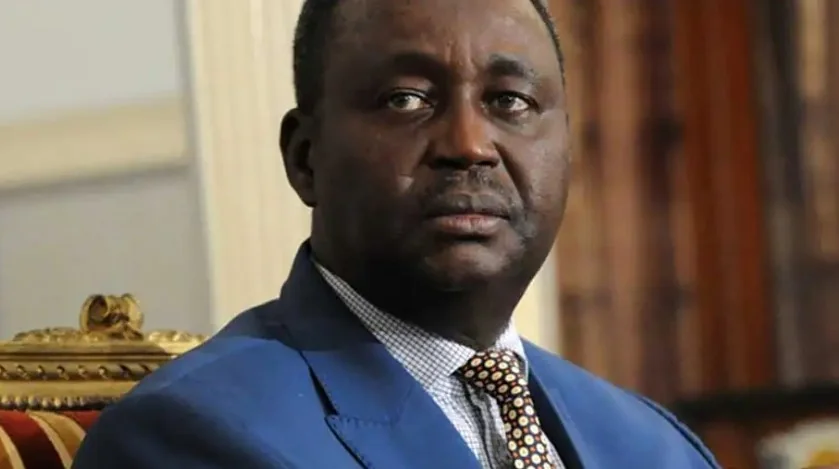
Former Central African Republic president, François Bozizé, is facing trial over allegations that security forces under his command committed serious abuses during his time in office.
Bozizé, who led the country from 2003 until 2013, is being prosecuted by a UN-backed Special Criminal Court in Bangui. The case’s proceedings began on Tuesday, with prosecutors arguing that Bozizé bears command responsibility for crimes allegedly carried out between 2009 and 2013 by members of his presidential guard and other security units.
At the centre of the case are allegations of murder, torture, rape, enforced disappearances and other forms of inhumane treatment. According to prosecutors, many of these incidents are linked to abuses at detention facilities and a military training site in Bossembélé, northwest of the capital.
The trial is however proceeding in Bozizé’s absence. Reports indicate that Bozizé is currently living in exile in Guinea-Bissau and despite an international arrest warrant issued in 2024, authorities there have not agreed to extradite him to face proceedings in Bangui.
“It is unfortunate that François Bozizé does not have the courage to face justice in his own country,” Maximin Lin Crozon Cazin, who claims he was detained at Bossembélé during Bozizé’s rule, told the Associated Press.
“I expect this trial to establish the truth and provide reparations.”
Bozizé ruled the country for a decade before being ousted in 2013 by the Seleka rebel coalition. His removal triggered a prolonged period of violence involving rival armed groups, leaving thousands dead and deepening instability across the country.
Against this backdrop, the Special Criminal Court was created in 2015 with UN support to investigate and prosecute serious crimes committed during years of conflict. However, its effectiveness has been constrained by limited funding and persistent difficulties in executing arrest warrants, particularly when suspects are outside the country.
According to human rights groups, more than 30 individuals wanted by the court have yet to be arrested, highlighting a broader enforcement gap that continues to slow accountability efforts. Further, the wider security environment in the country remains fragile despite a peace agreement signed in 2019. Several armed groups have since withdrawn from the deal, with sporadic clashes continuing in parts of the country.






















Comments
Sign in with Google to comment, reply, and like comments.
Continue with Google