World leaders at the 52nd G7 summit in Évian-les-Bains, France, have issued a joint call to intensify global cooperation on cancer research, data sharing and early research, outlining a series of commitments aimed at improving prevention and treatment worldwide.
The joint statement, issued alongside partner countries including Kenya, India, Brazil, Egypt and South Korea, sets out a broad push to improve international cooperation on cancer science and care, warning that the disease already kills nearly 10 million people annually and is projected to rise sharply by 2050 due to ageing populations and environmental and behavioural risks.
A key focus of the statement is improving how countries share and use cancer data, particularly for children, adolescents and young adults, where rare and diverse tumour types make national datasets insufficient on their own.
“No single country possesses sufficient data to generate robust evidence across the full range of paediatric, adolescent and young adult tumour types,” the statement reads.
To address this, the countries said they would strengthen links between national cancer registries, improve interoperability of health data systems and support secure cross-border analysis of clinical, genomic and imaging data.
“We intend to build on existing international, regional and national initiatives to avoid duplication, close gaps and strengthen international research collaboration for paediatric, adolescent and young adult cancers,” the countries said.
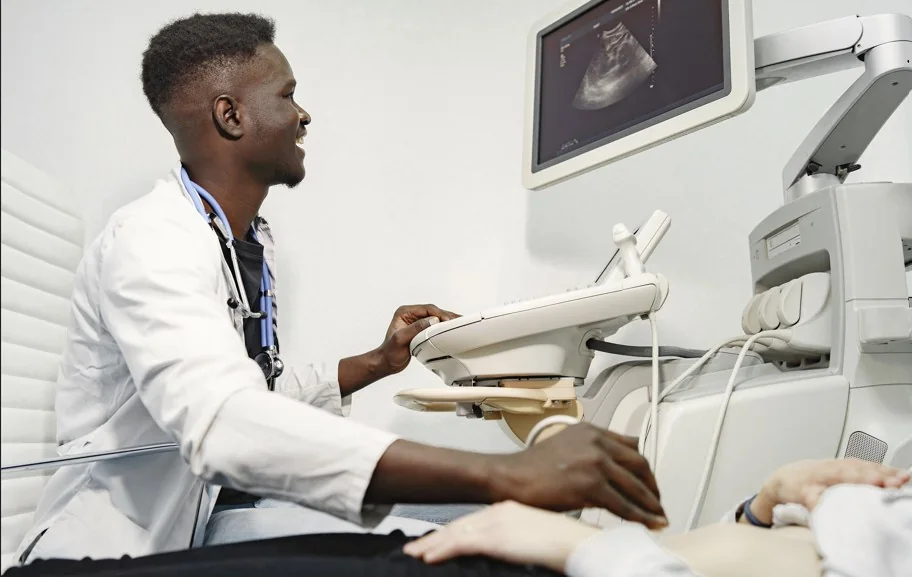
The statement also highlighted cancers with poor survival outcomes as a priority area for coordinated action, calling for more focused research and stronger efforts to diagnose cancers earlier, when treatment is more effective.
Lung cancer was singled out as a major target for intensified screening and early detection efforts, with leaders backing measures aimed at reducing deaths over the next decade. Cervical cancer was also highlighted as a potential breakthrough area, with the G7 leaders stating that elimination is now within reach if countries accelerate vaccination, screening and treatment programmes in a coordinated way.
“Mortality from cancers with poor prognosis is one of the foremost global scientific challenges,” the statement reads.
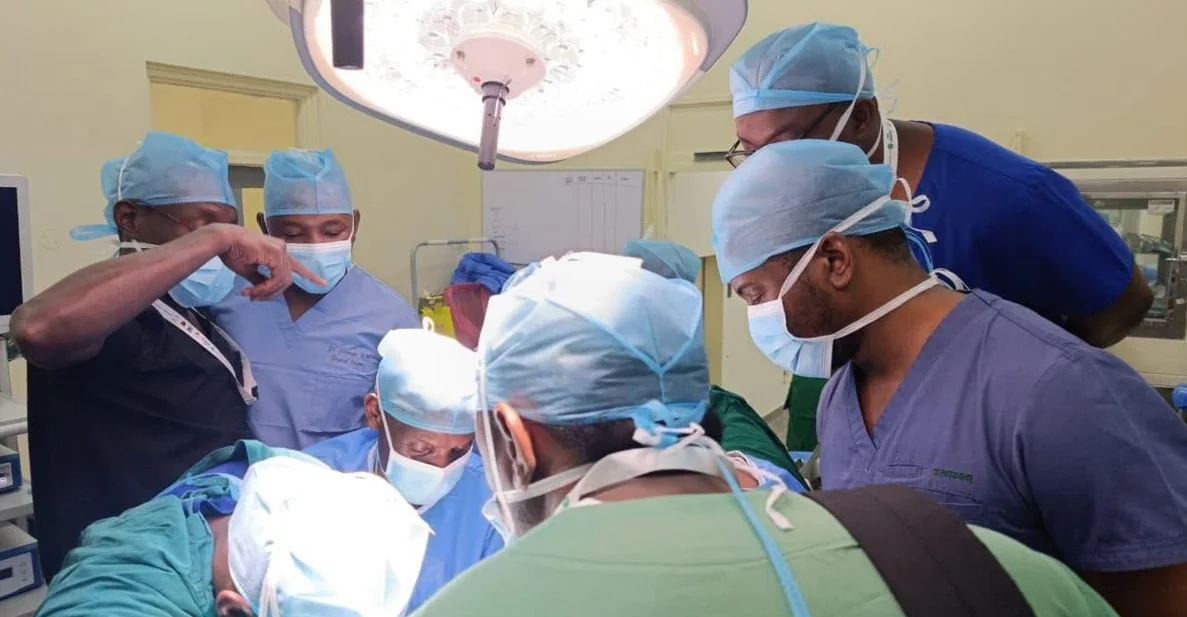
The G7 also stressed the need to strengthen health systems so countries can deliver more equitable and higher-quality cancer care, including expanding specialised cancer centres, improving palliative care and ensuring that advances in cancer research are translated more quickly into patient treatment.
Further, the world leaders called for responsible use of emerging technologies such as artificial intelligence and quantum computing to improve diagnosis, treatment planning and healthcare delivery, while maintaining strict safeguards for patient privacy.
























Comments
Sign in with Google to comment, reply, and like comments.
Continue with Google