Green economy now second-fastest global growth frontier, value hits Sh646.4 trillion - report
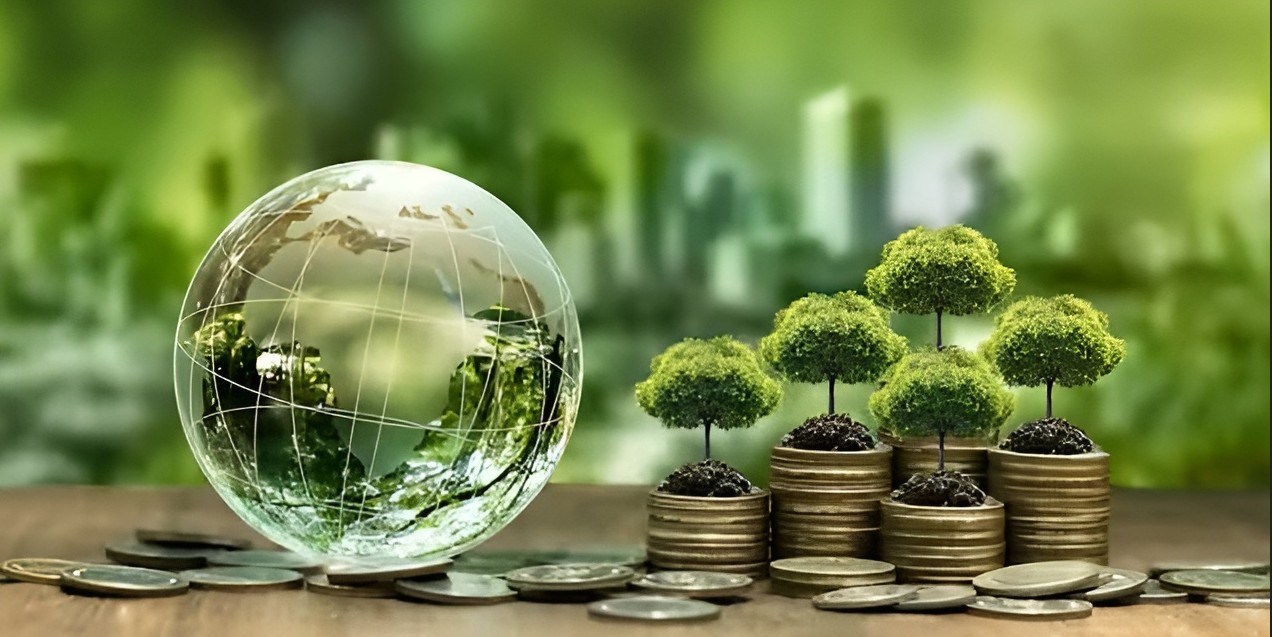
Companies operating in these markets typically gain access to cheaper capital and often enjoy premium valuations on capital markets, it adds in part.
The green economy is now the second fastest-expanding global growth frontier after technology, according to the global research firm, the World Economic Forum (WEF).
In its annual report on the guide to growth in the green economy, the firm says the sector has grown to become a multi-trillion-dollar market and one of the biggest growth opportunities on the planet.
More To Read
- Supporting Africa’s drylands: Insights from the pastoralists who call them home
- COP30: Leaders endorse pledge to quadruple clean fuel use by 2035
- What’s at stake in the COP30 negotiations?
- Major global emitters off track, no country strong enough to meet climate targets - report
- African activists rally and challenge COP30 agenda
- Ethiopia hosting COP32 a ‘win for the Horn of Africa’, IGAD says
“Green revenues are growing twice as fast as conventional revenues on average,” the report reads.
Companies operating in these markets typically gain access to cheaper capital and often enjoy premium valuations on capital markets, it adds in part.
The Forum values the sector at $5 trillion (Sh646.4 trillion) and projects it to surpass $7 trillion (Sh905 trillion) by 2030.
For businesses, this means major opportunities for resilient growth.
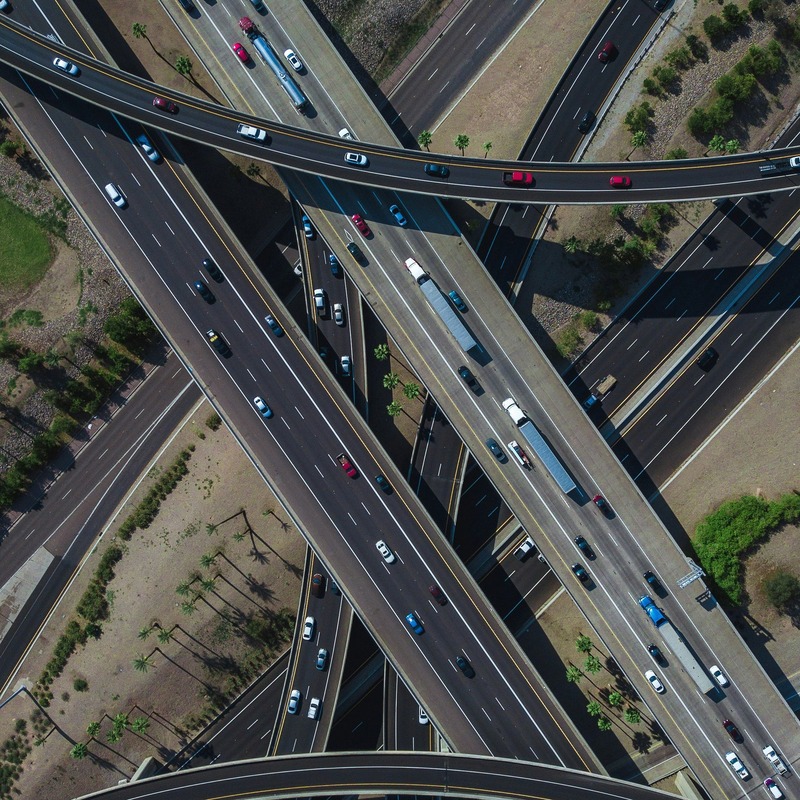
Notably, mitigation has driven the majority, 78 per cent of this value to date, led by transportation and mobility, which account for 30 per cent of total revenue from green markets.
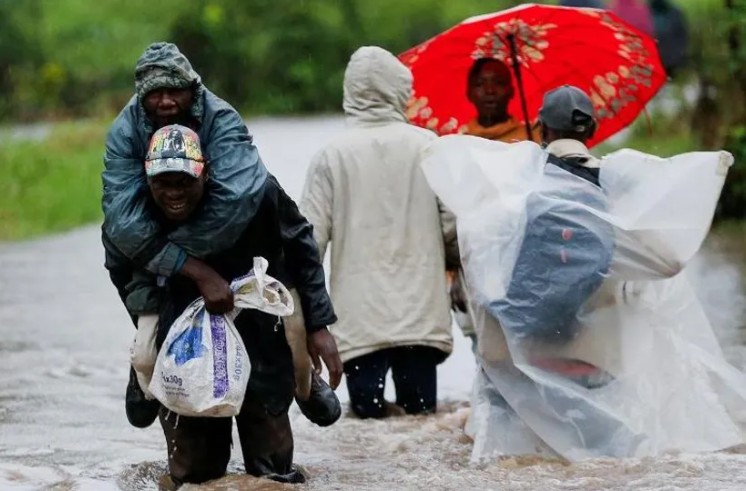
Adaptation and resilience have also gained traction, accounting for 22 per cent of total demand, driven primarily by climate-adapted agri-inputs, resilient construction materials and cooling technologies.
Although there is no single universal definition for green economy, WEF frames it as commercial solutions with a clear environmental purpose, or those directly responding to environmental challenges, spanning both mitigation and adaptation needs.
These range from renewable energy and electric mobility to green finance, low-carbon food systems, climate-resilient construction materials and emerging carbon-measurement technologies.
The sector’s expansion has persisted despite geopolitical volatility and short-term economic headwinds.
WEF attributes this resilience to a decade of strong momentum from both public and private actors, as governments accelerate climate commitments and companies race to future-proof their operations.
Nevertheless, it reckons that progress remains uneven.
Low-emission solutions such as solar, wind, batteries and electric vehicles continue to scale rapidly worldwide, while younger and costlier technologies, including low-carbon hydrogen and carbon capture, depend heavily on favourable local regulation and targeted incentives.
Additionally, China has emerged as the dominant force in deployment and manufacturing, outspending, outproducing and out-deploying other countries.
Reiterating that the green economy is here to stay as one of the biggest growth opportunities on the planet, WEF says companies must understand diverging market demands, economics and the regulatory environment in order to navigate this opportunity.
“The need to address climate change will not go away, and with improving economics of low emission technologies, the green economy is here to stay,” WEF said.
“The need to understand fundamental market demands, economics and the wider regulatory environment has become a lot more important for navigating the green economy.”
Top Stories Today