Report links 60,000 penguin deaths to sardine decline, poor fisheries management
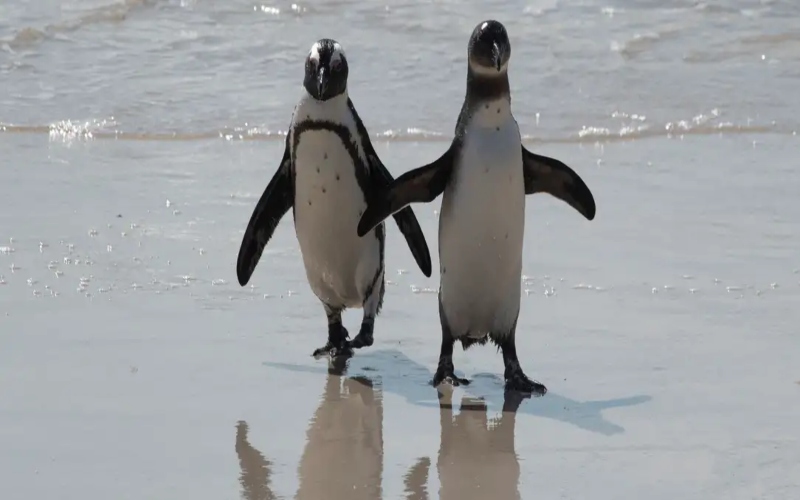
A new study finds more than 60,000 African penguins vanished as sardines declined off South Africa, driving a 95% collapse on two islands and leaving the species critically endangered.
A fresh scientific report has revealed a devastating collapse of African penguin numbers, showing that more than 60,000 birds died after their main food source, sardines, sharply declined along South Africa’s coast.
According to the paper, published in Ostrich: Journal of African Ornithology, over 95 per cent of African penguins living on Dassen Island and Robben Island vanished between 2004 and 2012.
More To Read
- Zuma’s daughter resigns from Parliament amid claims she sent South African men to fight in Russia-Ukraine war
- Inside the rise of news influencers transforming media in Kenya, Nigeria and South Africa
- Ramaphosa hits back after Trump says South Africa won’t be invited to 2026 G20 summit
- G20: South Africa hosts summit in shadow of US boycott
- US bars Mandela Foundation Chair in latest diplomatic flashpoint with South Africa
- South Africa rejects US plan to send Chargé d’Affaires for G20 handover
The study explains that most breeding penguins likely starved during their annual moulting period, a time when they cannot enter the water and must survive on stored fat.
Researchers linked the dramatic losses to a mix of climate pressures and continued fishing of the small fish they depend on.
The study noted that the situation on the two islands reflected a wider trend.
“These declines are mirrored elsewhere,” said Dr Richard Sherley from the Centre for Ecology and Conservation at the University of Exeter. He added that the species has already suffered a population drop of nearly 80 per cent over the past three decades.
African penguins replace their feathers every year to maintain warmth and stay waterproof. Moulting lasts around three weeks, during which birds remain on land without feeding.
The paper warns that when sardines cannot be found in enough numbers before or soon after this period, the penguins fail to build the fat stores needed to stay alive.
“If food is too hard to find before they moult or immediately afterwards, they will have insufficient reserves to survive the fast,” said Sherley. “We don’t find large rafts of carcasses - we sense that they probably die at sea,” he said.
The research found that since 2004, sardine biomass off western South Africa dropped to a quarter of its previous peak in almost every year, placing intense strain on penguin colonies. The fall has been linked to changes in sea temperature and salinity, which have made spawning less successful.
At the same time, fishing levels have stayed high across the region, limiting the recovery of the fish stock.
By 2024, the African penguin was classified as critically endangered, with fewer than 10,000 breeding pairs left in the wild.
The study says firmer fisheries management could help turn the situation around. Conservation teams are also working directly with colonies by providing artificial nests, controlling predators and rescuing adult penguins and chicks in distress.
Authorities have already stopped commercial purse seine fishing around the six largest breeding colonies in South Africa to keep more fish available for penguins.
The move is expected to “increase access to prey for penguins at critical parts of their life cycle”, said study co-author Dr Azwianewi Makhado from South Africa’s Department of Forestry, Fisheries and the Environment.
Lorien Pichegru, a marine biology professor at Nelson Mandela University who did not take part in the study, said the findings were “extremely concerning” and pointed to long-standing poor management of small fish stocks.
“The results of the study are only based on penguins’ survival until 2011, but the situation has not improved over time,” she said.
She added that restoring the severely depleted fish population needed fast action “not only for African penguins but also for other endemic species depending on these stocks”.
Top Stories Today