Treasury: Kenya can no longer rely on taxes or borrowing for big infrastructure projects
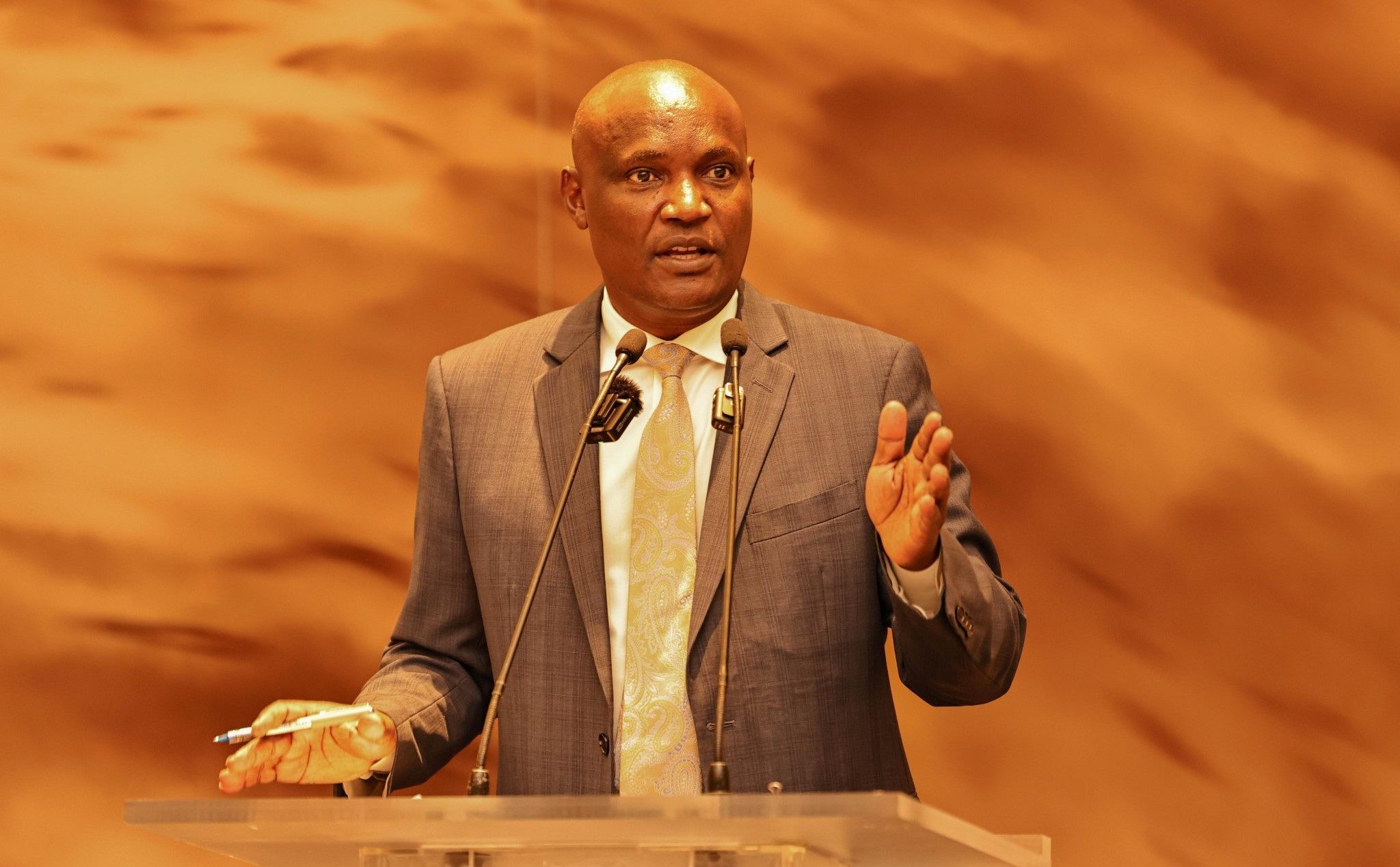
Mbadi said shifting commercially viable projects to specialised entities is now necessary to reduce pressure on public finances.
Kenya can no longer depend on raising taxes or borrowing to finance large infrastructure projects, the Treasury has said, citing a growing debt burden that now consumes nearly half of all revenue collected.
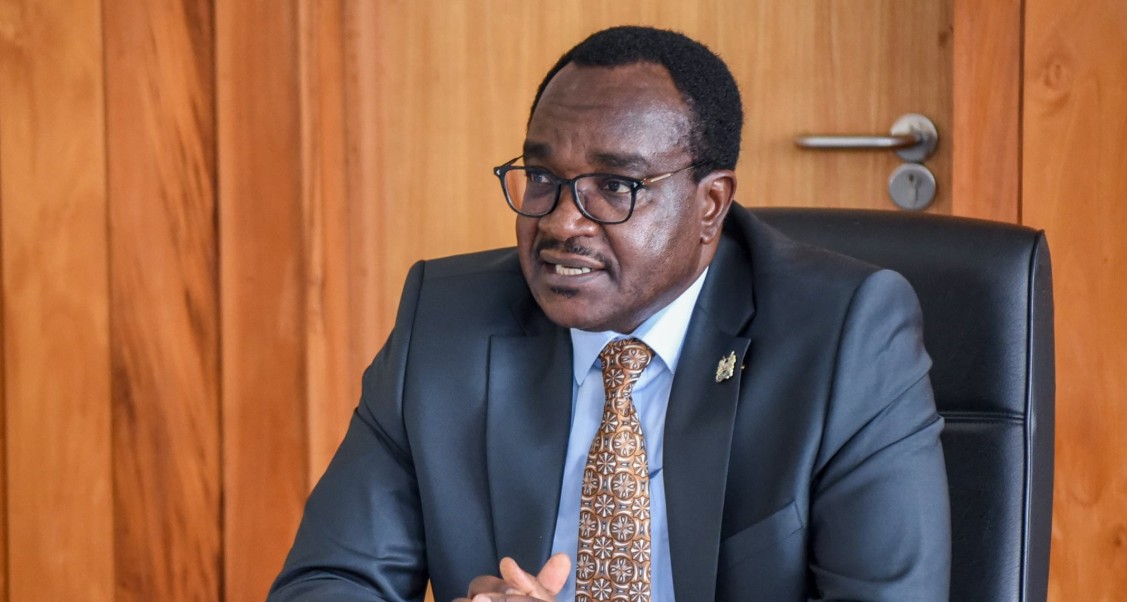
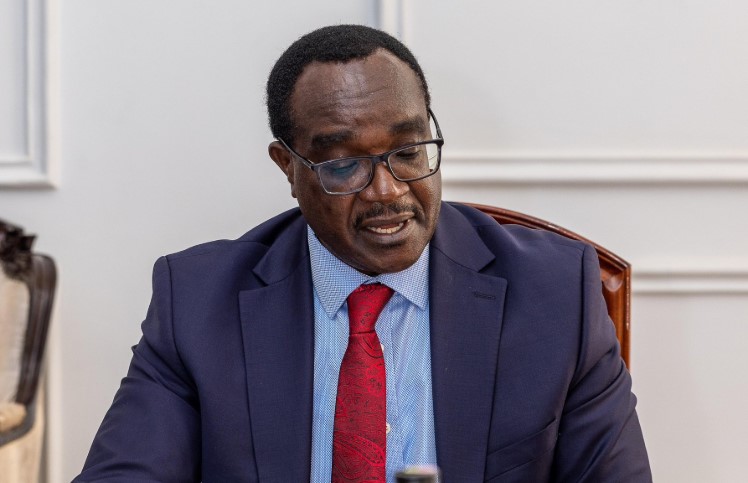
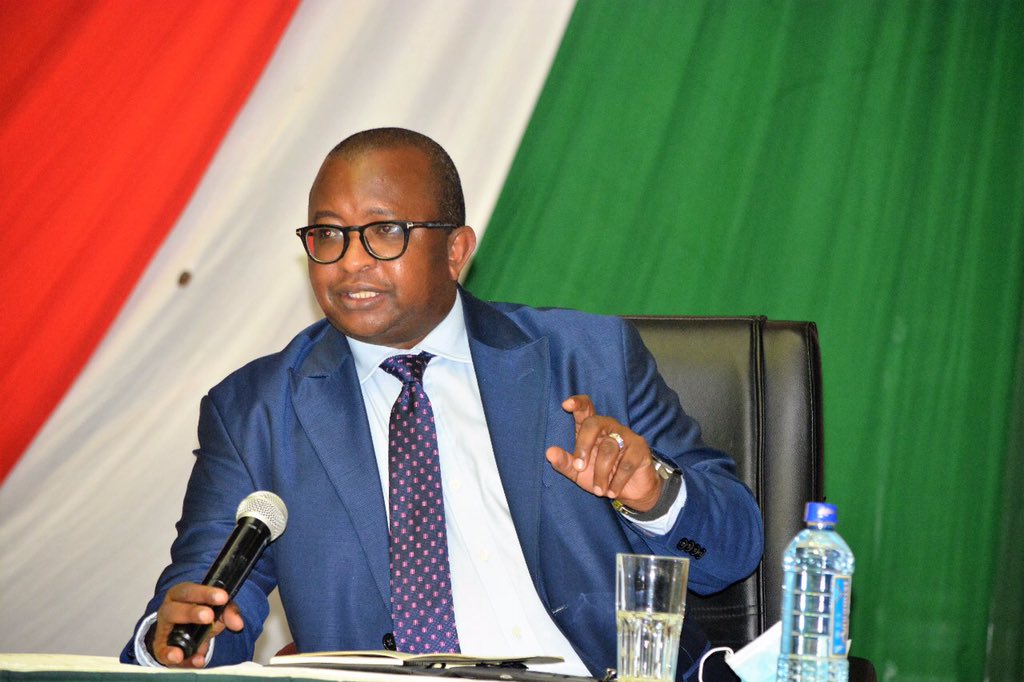
Speaking on Wednesday, National Treasury Cabinet Secretary John Mbadi said shifting commercially viable projects to specialised entities is now necessary to reduce pressure on public finances.
More To Read
- World Bank warns political interference weakening Kenya’s state-owned enterprises
- Treasury CS John Mbadi defends ballooning State House budget
- Ndindi Nyoro questions government’s decision to sell 15 per cent Safaricom stake
- Government cuts funding to merged, dissolved state corporations
- Debt, wages devour 68 per cent of Kenya’s revenue, leaving citizens struggling - KHRC report
- MPs push for urgent funding boost for Auditor General’s office
He noted that the government plans to remove commercially viable infrastructure projects from line ministries and transfer them to specialised companies to attract private capital and create jobs for youth.
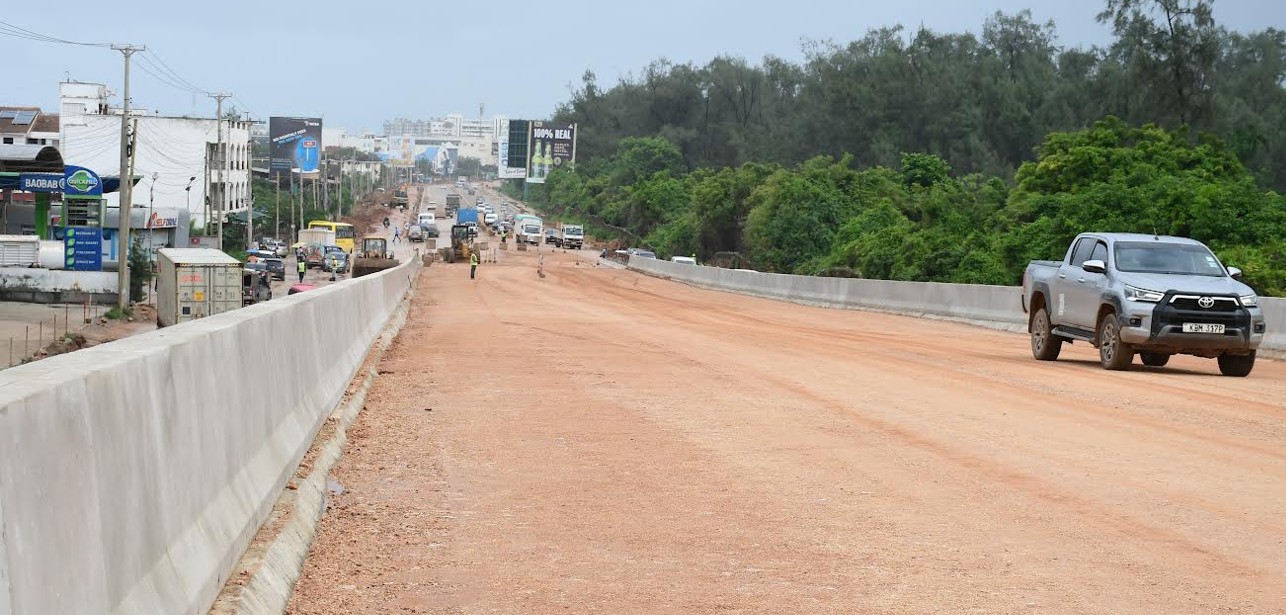
“We are taking away from these ministries commercially viable projects. The roads that can be tolled and dualed would be taken away. The dams that can be done, which are commercially viable, will be taken away,” Mbadi said in an interview with Spice FM.
He added that ministries will retain responsibility for policy development and implementation of non-commercial projects, such as rural roads that cannot generate toll revenue.
The CS had warned that Kenya’s tight fiscal space will require stricter discipline, reduced wastage and unwavering accountability across all government institutions in 2026.
“Corruption is not merely a financial crime. It is a betrayal of public trust and a direct threat to national development,” he said, urging public servants to maintain integrity while implementing initiatives such as the BETA plan, job creation programmes and food security projects.
He also endorsed the Zero Fault Audit Campaign championed by the Head of Public Service, emphasising that it is aimed at predictability and transparency, not blame.
“Zero fault auditing is not about blame or witch-hunting. It is about ensuring predictability and transparency in public administration,” Mbadi said.
Highlighting fiscal constraints, the CS outlined priority directives for 2026: eliminating wastage, restricting foreign travel, reinforcing value-for-money in projects, strengthening governance in State corporations and fast-tracking Cabinet decisions and Presidential directives. He warned that boards and CEOs of State corporations will now be fully accountable for results and compliance.
On government negotiations with companies, Mbadi clarified that the process follows structured stages and cannot be publicly discussed prematurely. He explained the procedure involves proposal initiation, National Assembly oversight, execution and reporting.
“Financial transactions are very sensitive, and capital markets are extremely delicate; you have to be cautious,” he said, adding that public participation officially begins only after Cabinet approval and the National Assembly advertises for input.
Mbadi’s comments come amid accusations from opposition leaders, including DCP Party Leader Rigathi Gachagua, Wiper Party leader Kalonzo Musyoka and former Budget Committee Chair Ndindi Nyoro, who allege a lack of transparency in potential deals involving national assets such as JKIA and Kenya Pipeline.
However, Mbadi emphasised that once the National Assembly approves a transaction, funds are received, and full reporting is submitted to the relevant oversight bodies, including the Auditor General, Controller of Budget and Commission on Revenue, in accordance with the law.
Top Stories Today