Guinea-Bissau junta bars interim leaders from contesting next elections under new charter
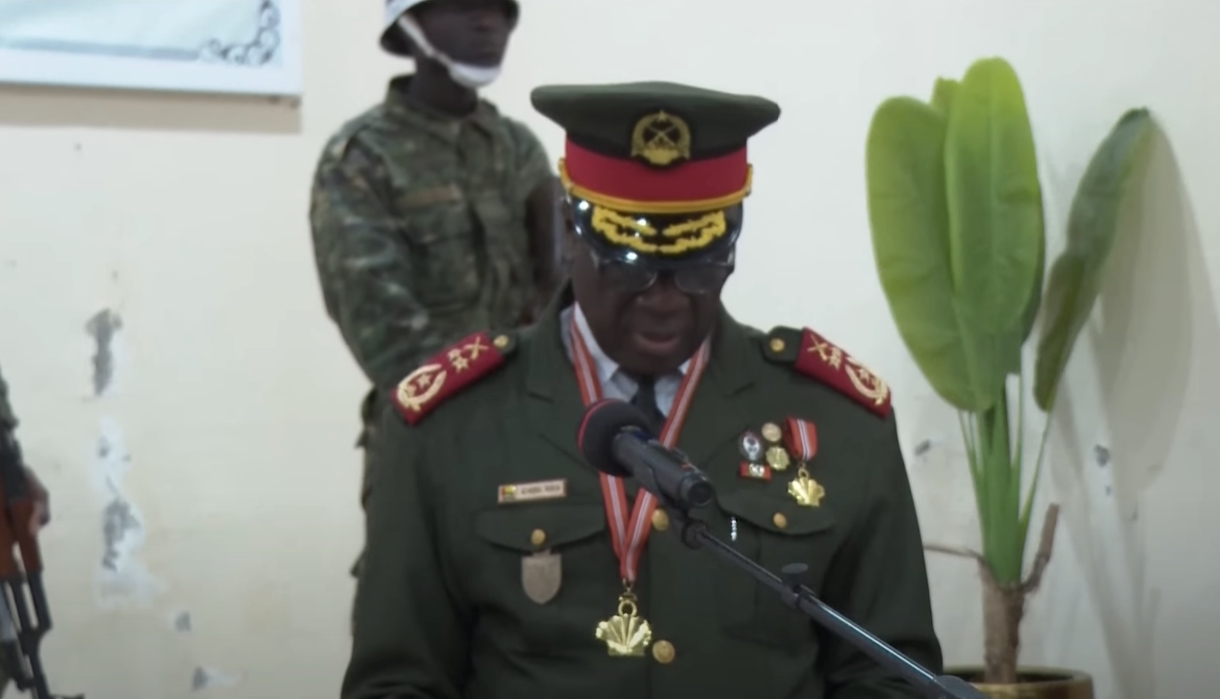
Unveiled on Tuesday, the 29-article charter lays out the rules for the one-year transition.
Guinea-Bissau's new interim leaders, Major-General Horta Inta-a and Prime Minister Ilidio Vieira Te, will be barred from running in the country's next elections under a 12-month transitional charter adopted by the country's military junta.
The charter comes almost two weeks after army officers overthrew President Umaro Sissoco Embalo on November 26, suspending the constitution just a day before the electoral commission was due to announce the results of the country's then elections.
More To Read
- Guinea-Bissau’s military takeover highlights the nation’s history of coups and deepening crisis across the region
- Nigeria provides safe haven for Guinea-Bissau opposition leader as coup crisis deepens
- Guinea-Bissau military takeover after disputed election sparks ECOWAS action
- Wave of coups in Africa: What President Paul Kagame thinks
- African Union suspends Guinea-Bissau over coup
- Kagame says some coups are justifiable if they address governance failures
Inta-a was appointed interim president the day after the coup, with Vieira Te, a former finance minister, being named prime minister the following day.
Unveiled on Tuesday, the 29-article charter lays out the rules for the one-year transition. It requires both presidential and parliamentary elections to be held at the end of the period, with Inta-a responsible for setting the official polling date.
The document also prevents the interim leaders from heading political parties during the period. It also includes provisions for granting amnesty to anyone involved in actions deemed an attempt to overthrow the previous government on November 26.
The military will play a central role in reshaping Guinea-Bissau's political and legal institutions, including drafting revisions to the suspended constitution, setting up a new Constitutional Court, regulating political parties and overseeing the appointment of electoral officials.
The charter has established a 65-member National Transition Council to act as a temporary legislature, with 10 members representing the military.
Guinea-Bissau has faced decades of political instability. Only one president has ever completed a full term since the country gained independence from Portugal in 1974.
Observers note parallels with Guinea, where 2021 coup leader Mamady Doumbouya was initially barred from running in elections but later cleared to stand in the December 28 polls after constitutional changes.
According to analysts, the military's prominent role in Guinea-Bissau's transitional charter could similarly strengthen its influence over the country's political future.
Top Stories Today