Nestlé faces backlash as Cerelac sold in Kenya, Africa found to have high sugar levels
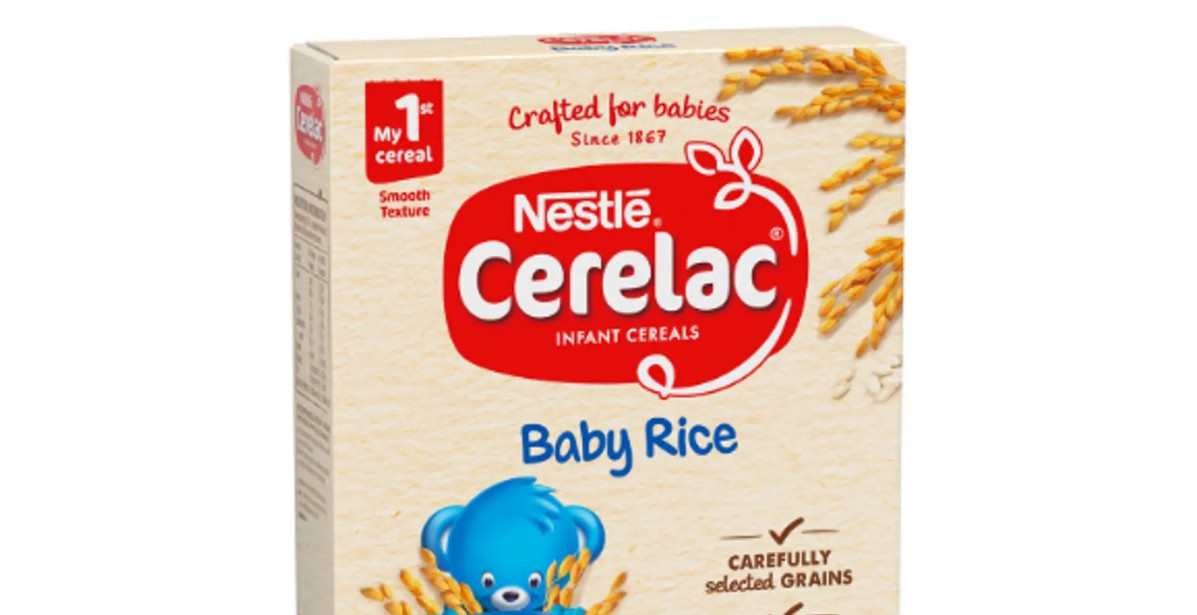
An investigation finds Cerelac baby cereals sold in Kenya and across Africa contain high levels of added sugar, unlike European versions, raising public health concerns and prompting calls for Nestlé to reformulate.
Parents across Africa, including in Kenya, have been urged to reconsider infant feeding choices after a new investigation revealed that Cerelac baby cereals sold locally contain high levels of added sugar, far exceeding the amounts found in European products.
An analysis by Public Eye shows that more than 90 per cent of Cerelac products sampled across African markets contain added sugar, with some servings in Kenya reaching 7.5 grammes per portion—nearly double the sugar content of similar products in Europe.
More To Read
- Nyeri climate change activist Truphena Muthoni attempts 72-hour tree-hugging record
- Malaria fight at risk as drug resistance spreads despite new tools saving millions
- EU and Africa launch regional maritime security plan to tackle piracy and trafficking
- Report finds added sugar in Nestlé baby cereals across Africa
- Convenient but dangerous: The hidden health risks of ultra-processed foods
- Kenya among nine nations leading regional push to strengthen health systems against climate change
The report highlights that the highest sugar levels were found in products intended for six-month-old babies, presenting a stark contrast with European versions, which contain no added sugar.
The investigation exposes a long-standing double standard by Swiss multinational Nestlé. While Cerelac products sold in Europe—including Switzerland, Germany, and the United Kingdom—contain zero added sugar, African versions remain heavily sweetened. Annual Cerelac sales in Africa exceed USD 250 million (Sh32.3 billion), with Nestlé controlling more than 50 per cent of the market, according to Euromonitor data. Nigeria alone accounts for over USD 50 million in annual sales.
Unacceptable
“This is unacceptable. Nestlé is knowingly fuelling the fire of obesity and diet-related diseases in Africa,” said Lori Lake of the University of Cape Town.
She described the practice as part of a broader pattern reflecting “a long history of colonialism, exploitation and racism.”
Twenty civil society organisations across Benin, Burundi, Cameroon, Ivory Coast, Morocco, Mozambique, Namibia, Nigeria, Senegal, South Africa, Togo, Tunisia, and Zimbabwe have issued an open letter urging Nestlé to comply with World Health Organisation (WHO) guidelines and immediately cease adding sugar to all baby foods worldwide.
“All babies have an equal right to healthy nutrition, regardless of their nationality or skin colour. All babies are equal. So do the right thing. The world is watching,” the letter warns.
50 per cent higher
Public Eye’s laboratory analysis, supported by Inovalys, a reference lab specialising in the agri-food sector, found that African Cerelac servings contain, on average, nearly six grammes of added sugar—equivalent to about one and a half sugar cubes. This is 50 per cent higher than sugar levels previously detected in Asia and Latin America and double the amount found in India, where Nestlé recently introduced 14 sugar-free variants following public outcry.
“Children can become accustomed to sweet foods. High sugar intake leads to short-term and long-term risks in children. It is best to limit the consumption of all added sugars to prevent these risks,” Nestlé said in response to the findings, emphasising its aim to roll out no-added-sugar Cerelac variants across Africa by the end of 2025.
Experts, however, warn that the high sugar content carries serious public health risks. The WHO has repeatedly highlighted that early exposure to sugar can create lifelong preferences for sweet foods and is a major contributor to overweight and obesity.
Childhood obesity
Childhood obesity in Africa has nearly doubled among children under five since 1990, creating a “double burden” of malnutrition alongside underweight. If current trends continue, obesity could rise by more than 250 per cent by 2050, affecting one in two adults.
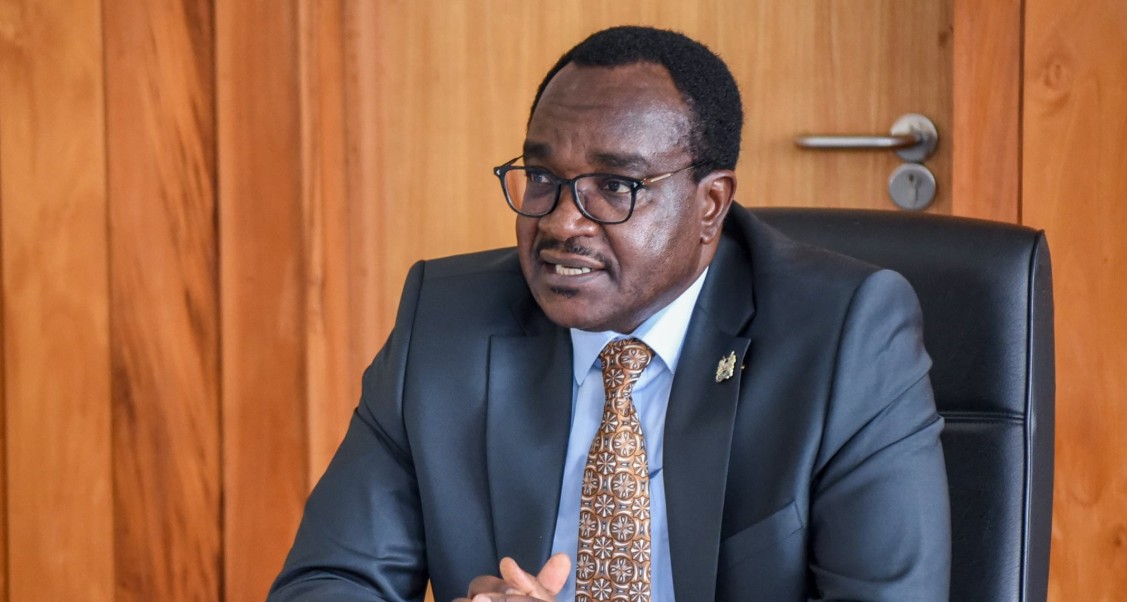
Kenya Bureau of Standards (KEBS) Managing Director Esther Ngari defended existing regulations, explaining that Kenyan and East African Community (EAC) harmonised standards (KS EAS 72:2024) allow a maximum of 7.5 g/100 Kcal for added sugars, in line with Codex Standard CXS 74-1981 (amended 2023).
“The results published by Public Eye (6.6 g/100 Kcal) are within allowed limits. Based on national and global standards, the product is safe for consumption by the targeted group,” she said.
WHO guidance precautionary
Ngari noted that WHO guidance, which recommends avoiding added sugar entirely for infants, is precautionary, whereas technical standards set compositional limits.
KEBS inspects products year-round, using risk-based sampling and ISO/IEC 17020 principles, and can require corrective actions, including recalls or legal measures, for non-compliance.
Despite Nestlé’s claims of compliance, Sara Jewett, professor at the University of the Witwatersrand, said, “While fortification should remain part of a public health response, combining it with addictive and harmful sugars undermines social value. These findings reflect a continuation of Nestlé’s long history of corporate disregard for infant health in Africa in pursuit of profit.”
The WHO estimates that overweight and obesity in children and adolescents increase the risk of non-communicable diseases, affect school performance, and carry long-term economic consequences. Without intervention, global costs of overweight and obesity could reach USD 3 trillion per year (Sh387 trillion) by 2030 and exceed USD 18 trillion (Sh2,327 trillion) by 2060.
Top Stories Today