Water Resources Authority regulator warns illegal users of fines and jail terms
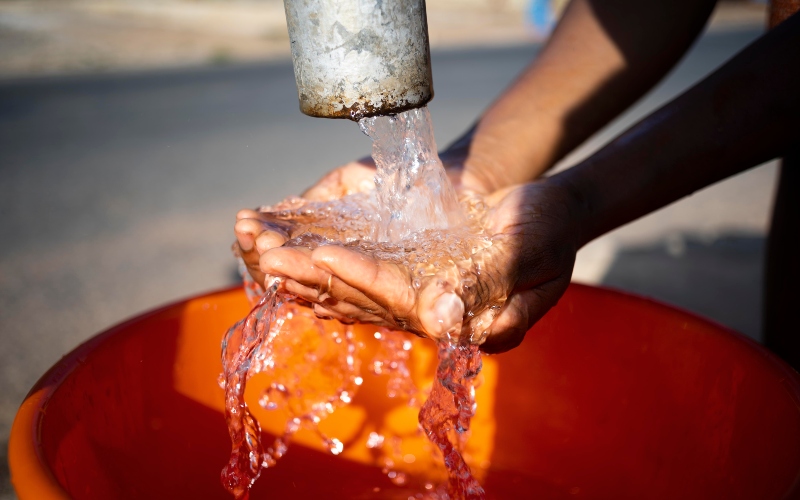
Kenya’s Water Resources Authority has warned individuals and organisations using water without permits that they face fines, jail terms and prosecutions, as the country battles severe water scarcity.
The Water Resources Authority (WRA) has expressed deep concern over the growing number of cases where water is being taken without proper permits, warning that violators will face strict legal consequences.
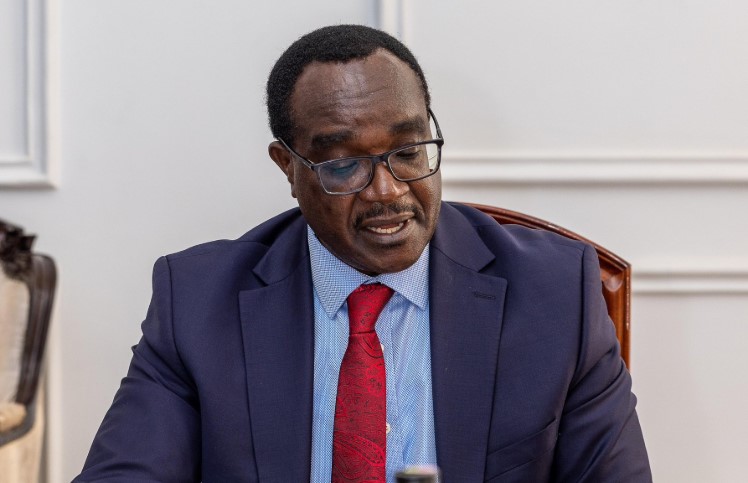
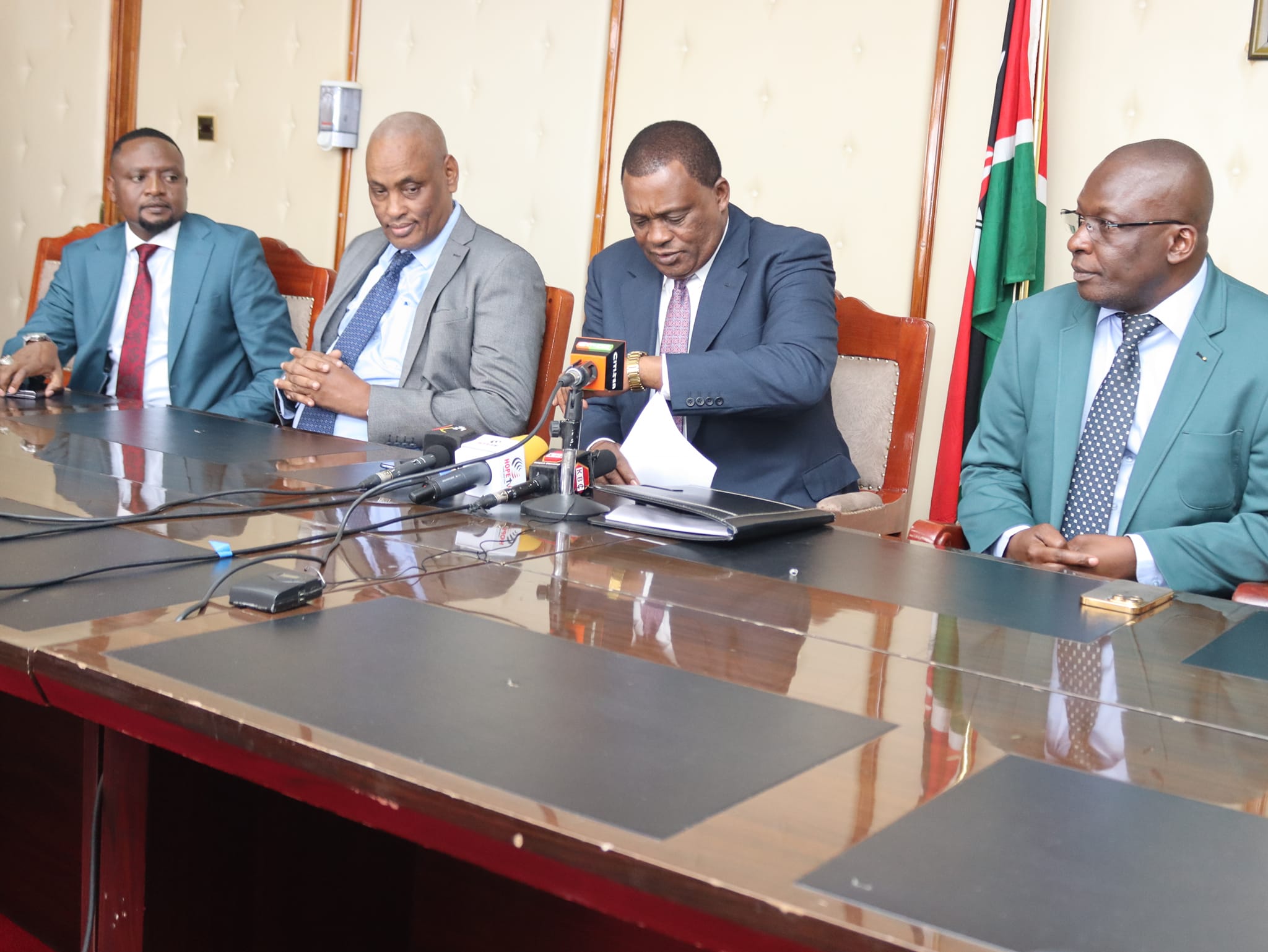
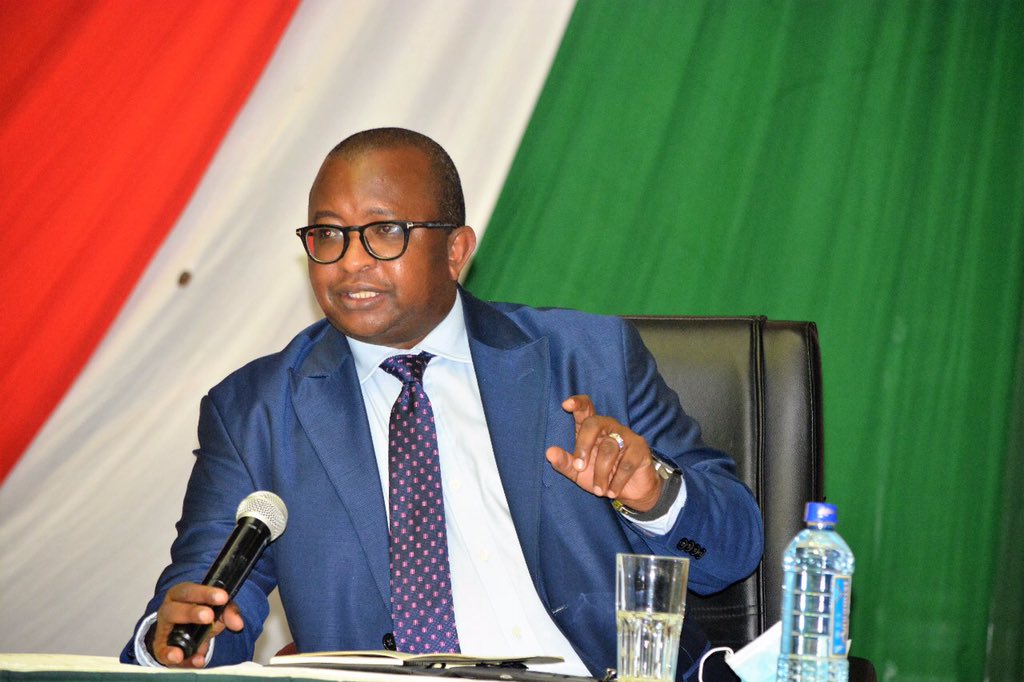
WRA chairman Donald Murgor and CEO Mohamed Shurie noted that many individuals and organisations continue to bypass the water use permitting system, undermining efforts to secure safe water for all Kenyans.
More To Read
- Kenyans get December water relief as agency suspends all disconnections
- Report links 60,000 penguin deaths to sardine decline, poor fisheries management
- Runda residents stage protest over controversial luxury housing project
- Sh438 million water agency loan default piles pressure on taxpayers eight years on, Auditor General warns
- Water Resources Authority issues flooding advisory as rivers swell
- Kenyans to now access Water Resources Authority services through e-Citizen
“This government is serious about making sure every Kenyan can access clean water, and this is our role, as the Water Resources Authority,” Murgor said, emphasising the importance of compliance.
He cautioned that ignoring the rules could further limit access to water in a country already facing severe scarcity. Kenya’s renewable freshwater supply is just 647 cubic meters per person annually, falling short of the global benchmark of 1,000 cubic meters per capita.
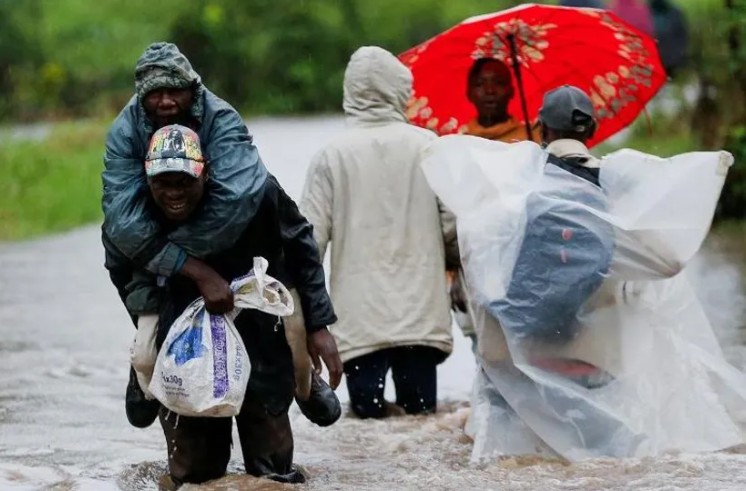
Water shortages have led to limited domestic and industrial use, worsened by climate shocks and overuse of natural resources. In addition, poor infrastructure, such as boreholes, wells, and treatment plants, makes clean water hard to reach, particularly in rural communities.
Despite the constitutional guarantee of safe water, about a third of Kenyans still struggle to find reliable and safe sources.
The United Nations’ Sustainable Development Goals, specifically target 6.1, stress the importance of ensuring everyone has access to affordable and safe drinking water by 2030.
In Kenya, common sources include piped water, boreholes with pumps, protected springs, wells, rainwater collection, and bottled water.
Murgor highlighted repeated violations of water laws, pointing out that some Kenyans attempt to access water without paying.
“Please let us comply. We have our permitting system in place. Remember, there is a scarce water resource in this country. It is not enough, and even the rest of the world, if we don’t take care of the resources that we have; we must conserve,” he said.
The Water Act 2016 imposes penalties for offences, including fines up to one million shillings, imprisonment of up to two years, or both. Shurie expressed concern over instances where politicians have encouraged people to ignore WRA regulations.
“The claim that we are vandalising the equipment is untrue. A recent case in Kieni, Nyeri county, involved abstractors being incited to violate WRA directives, undermining lawful water management efforts,” he said.
He warned that leaders of private organisations whose permits are breached will be held accountable, while in government bodies, heads, including managing directors, will face prosecution for violations.
“Such violations not only endanger the sustainability of water resources but also compromise the fairness and efficiency of water allocation, ultimately harming communities, ecosystems and future users,” Shurie said.
The authority confirmed that it communicates directly with permit holders, reminding all water users that any breach of the Water Act 2016 and its regulations is a legal offence that will trigger enforcement action.
Other Topics To Read
Top Stories Today