Cyrus Jirongo: YK92 and the Sh500 note that defined an era
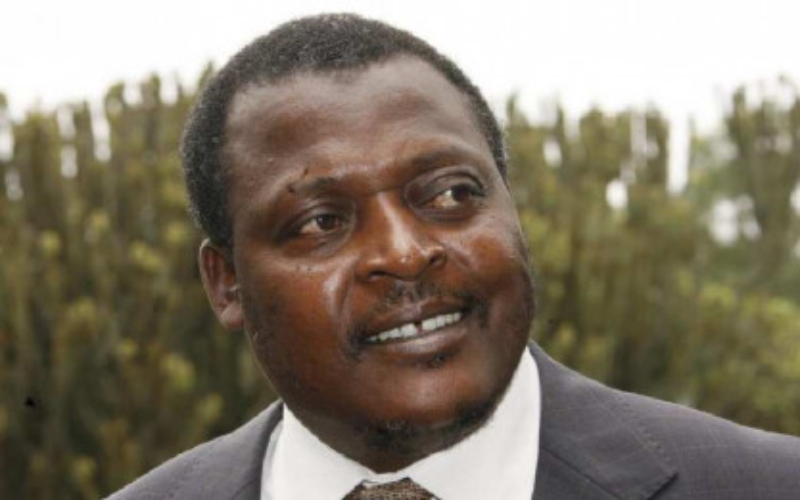
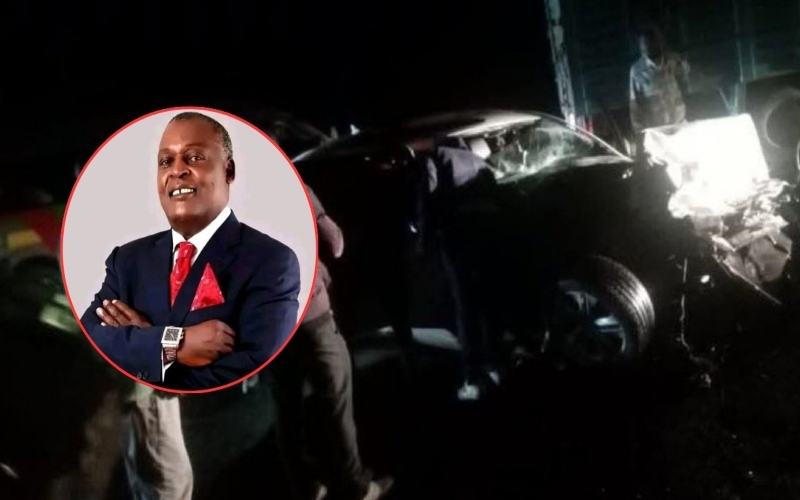
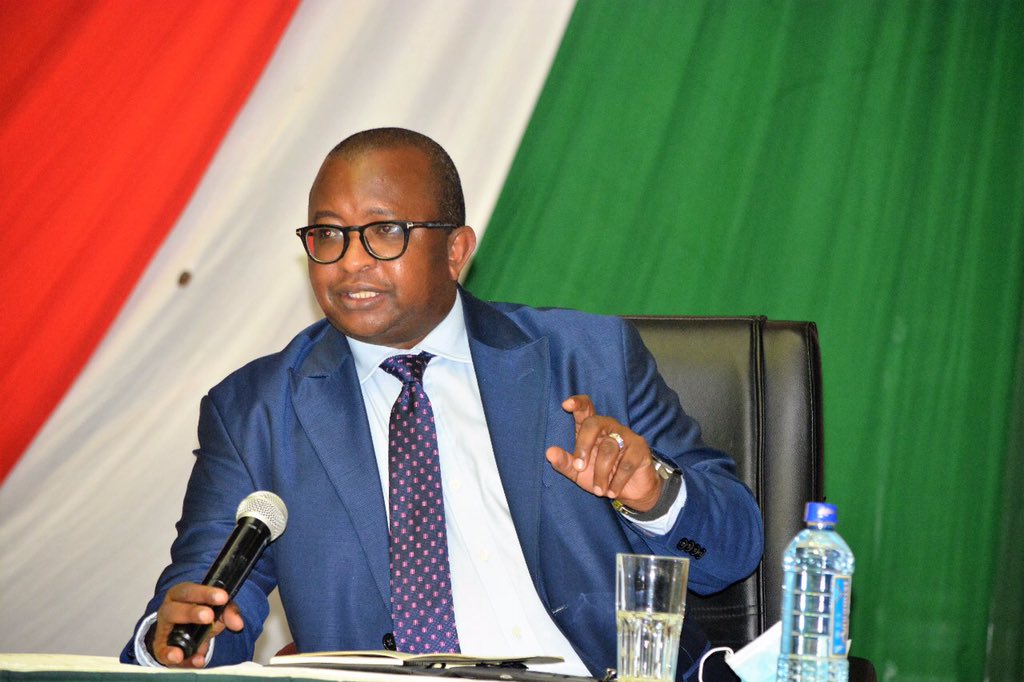
Former Lugari MP and YK92 leader Cyrus Jirongo has died after a road crash in Karai, Naivasha, along the Nairobi–Nakuru highway, ending a decades-long political career tied to KANU and Goldenberg-era politics.
Cyrus Jirongo’s death following a road crash in Karai, Naivasha, along the Nairobi–Nakuru highway marks the end of the long and eventful career of one of Kenya’s storied politicians.
The former Lugari MP, businessman, and ex-leader of the Youth for KANU ’92 movement passed away early Saturday morning, December 13, 2025, at the age of 64.
His rise in politics can be traced back to 1992, the year former President Daniel arap Moi repealed Section 2A of the Constitution, allowing multiparty politics.
Several opposition leaders, including Kenneth Matiba, Charles Rubia, and Jaramogi Oginga Odinga, joined forces in a bid to unseat Moi in the December 29, 1992, election.
In response, the Youth for KANU ’92 (YK92) movement emerged. It comprised youthful politicians, including William Ruto, now President, who mobilised young people across the country to support Moi’s re-election.
Jirongo was a prominent figure and chairperson of the movement, backed by, among others, Sam Nyamweya, Patrick Musumba, Gerald Bomett, and Micah Kigen.
As campaigns intensified amid economic turbulence marked by acute inflation, the Central Bank released a new Sh500 note to stabilise the economy.
In a twist, YK92 members, who were well-funded and enjoyed Moi’s backing, facilitated their meetings with the new notes. This led Kenyans to associate and nickname the Sh500 note “Jirongo”.
In a past podcast with Orange Democratic Movement Secretary General Edwin Sifuna, Jirongo addressed the controversy surrounding YK92 and allegations of massive money printing to buy support for KANU.
He denied claims that the government printed billions of shillings for distribution through YK92.
According to Jirongo, the money in circulation was tied to the Goldenberg scandal, which allegedly injected over Sh11 billion into KANU’s campaign kitty as the ruling party battled opposition following the return of multiparty democracy.
The scheme saw the government subsidise gold exports far beyond standard arrangements.
“Somebody comes up with a scheme and says, ‘I will buy gold and export, then the Central Bank gives him 30 per cent. Sh58 billion is paid out to somebody for nothing, which ruined the economy'. For somebody exporting paper, that is a lot of money to get out of the system,” Jirongo explained.
He, however, admitted, “Obviously, it was Goldenberg money. Even a bank existed called Exchange Bank, purposely set up under the pretence of looking for dollars and the money was being given by the Central Bank to these people and adding them 33 per cent for compensation. That is the money that was being distributed.”
As Moi’s grip on power drew to a close in 2002, the former KANU stalwart staged a resurgence, serving as Minister for Rural Development from March to December that year.
He also served as Member of Parliament for Lugari Constituency from 1997 to 2002 and again from 2007 to 2013.
In 2022, he contested the Kakamega gubernatorial seat under the United Democratic Party (UDP) but lost to Fernandes Barasa.
Top Stories Today