Inquiry reveals Mombasa's government buildings still inaccessible to PWDs
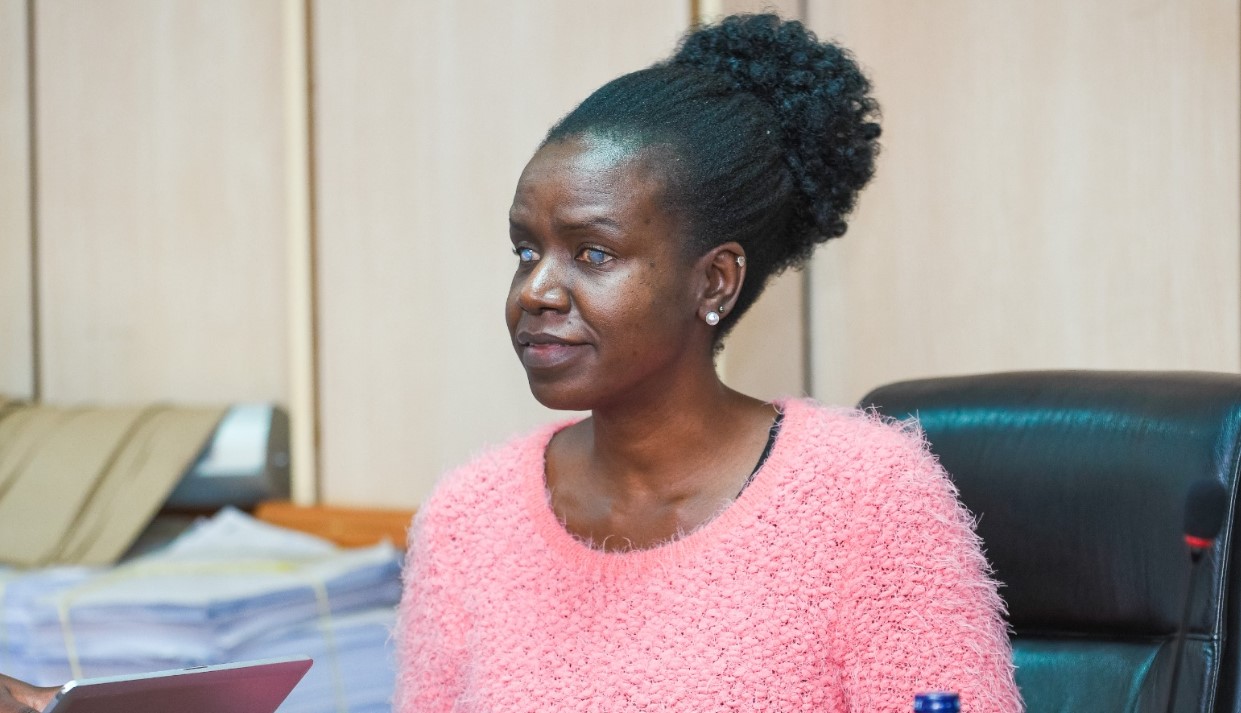
Senators have faulted the Lands Ministry over years of inaccessibility in key Mombasa government buildings, demanding timelines for lift repairs, asset transfers and enforcement of disability access laws.
Senators have expressed frustration over the slow response by the Ministry of Land to make public facilities accessible to all Kenyans, particularly Persons With Disabilities (PWDs), noting that years of neglect have left essential government services out of reach.
An inquiry by the Senate Labour and Social Welfare Committee revealed that multiple government buildings in Mombasa, including Bima Towers and the County Assembly, remain largely unusable due to faulty lifts, poor signage and other infrastructural gaps.
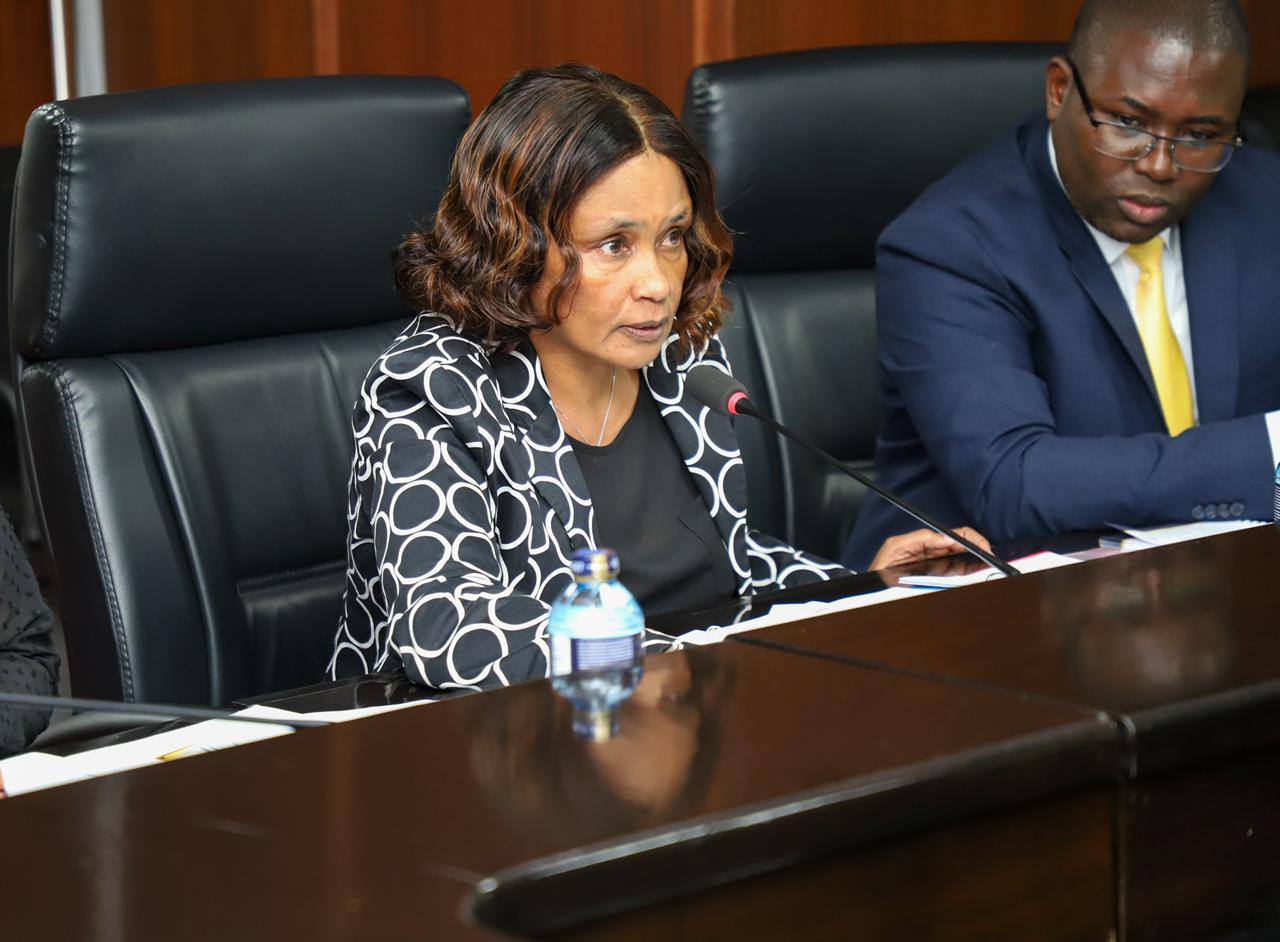
The Committee, chaired by West Pokot Senator Julius Murgor, convened at Bunge Tower to examine a petition filed by Zedekiah Adika regarding the inaccessibility of government buildings in Mombasa.
Land and Housing CS Alice Wahome, senior ministry officials, and executives from regulatory agencies attended the session to respond to questions over technical shortcomings, regulatory failures and institutional delays that have prevented PWDs from accessing services for years.
In her report, Wahome detailed the state of seven public buildings in Mombasa, including Bima Towers, the Mombasa County Assembly and the Office of the Deputy County Commissioner.
She acknowledged that years of poor maintenance and deteriorating infrastructure had left these facilities largely inaccessible to Persons With Disabilities.
Bima Towers, a 17-storey building, was singled out for particular attention. The CS told senators that its lifts had been non-functional for years and confirmed that a tender worth Sh43.7 million had been floated by the Department of Housing and Urban Development to install new lifts.
Committee vice chair and sponsor of the Persons with Disabilities Act, 2025, Crystal Asige, said senators were concerned that disability inclusion was often treated superficially. She warned that true accessibility goes beyond basic infrastructure, requiring attention to other features.
“Accessibility does not end with a ramp or a lift. It must consider a range of features, like non-slip flooring, accessible signage and safe, usable toilets for all people,” she said.
Senator Asige also challenged the Ministry on unresolved structural and ownership matters.
“15 years after devolution, we are still debating building ownership and asset transfers. When will this be resolved, and who is actually accountable?” she posed.
Wahome acknowledged that delays in transferring assets between national and county governments persist, but said that discussions under the Office of the Deputy President were “at an advanced stage” and could be completed within a year.
Other senators questioned whether accessibility laws and the National Building Code were being enforced effectively. Murang’a Senator Joe Nyutu raised concerns over emergency preparedness, questioning what evacuation plans exist for PWDs in multi-storey buildings where lifts cannot be used.
Mombasa Senator Miraj Abdullahi queried whether heritage-protected structures like the County Assembly could be modified to improve accessibility. National Construction Authority (NCA) officials responded that heritage status was rarely an absolute barrier to making necessary adaptations.
“Any building can be modified to improve accessibility, whether by adding external ramps, altering internal layouts, or introducing new technologies such as motorised stair-climbing wheelchairs.
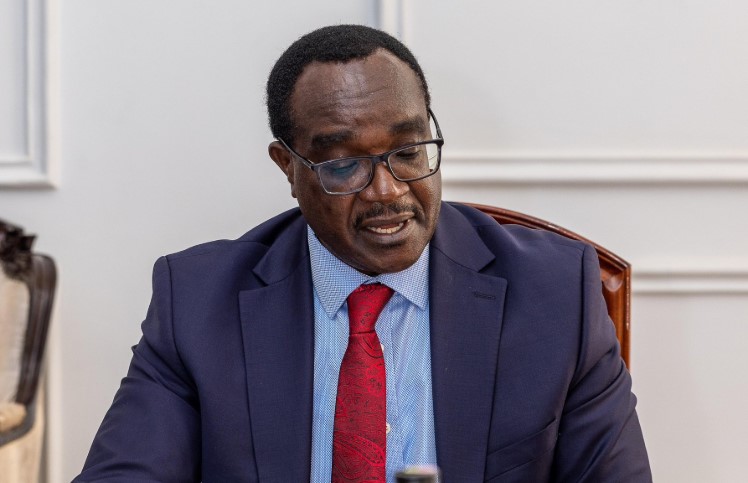
The real issue is commitment, funding and precise technical planning,” NCA Executive Director Maurice Akech said.
Other Topics To Read
The NCA team further explained that their mandate involves setting and enforcing standards under the National Building Code, which has required universal access in all new developments since March 2025. They noted, however, that many county governments lack qualified engineers and architects to monitor compliance, describing this as “the weakest link” in enforcement.
Officials outlined the multi-stage supervision process, from county approvals to national registration and continuous monitoring, but acknowledged that unauthorised modifications and poor oversight continue to result in violations, including recently condemned buildings in Mombasa.
The Ministry committed to submitting a progress report to the Committee by the end of January 2026, detailing the installation of lifts at Bima Towers and addressing the wider accessibility issues highlighted in the petition.
Top Stories Today