DR Congo’s weaponisation of ethnicity a warning sign, says Rwandan diplomat
DR Congo’s weaponisation of ethnicity a warning sign, says Rwandan diplomat
Listen

Read this story aloud

Listen to the clean text version of this article.

Ready
3 min listen
Audio reading is not supported on this browser.

Kinshasa-backed armed groups like the UN-sanctioned FDLR have been accused of driving violence against the Tutsi in North and South Kivu provinces.

A Rwandan diplomat has warned that the weaponisation of ethnicity in DR Congo is a dangerous trend the international community must never ignore.
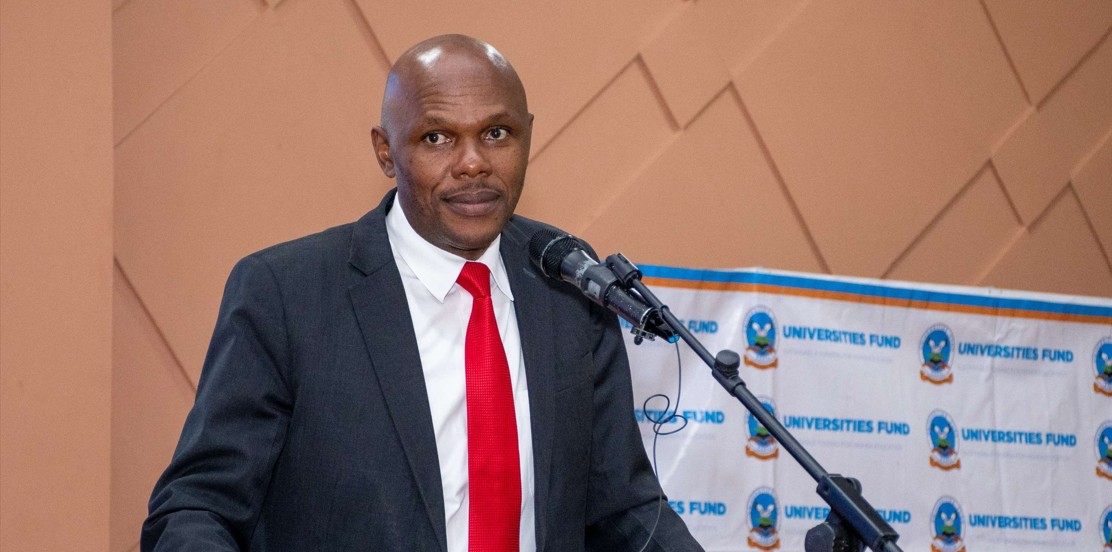
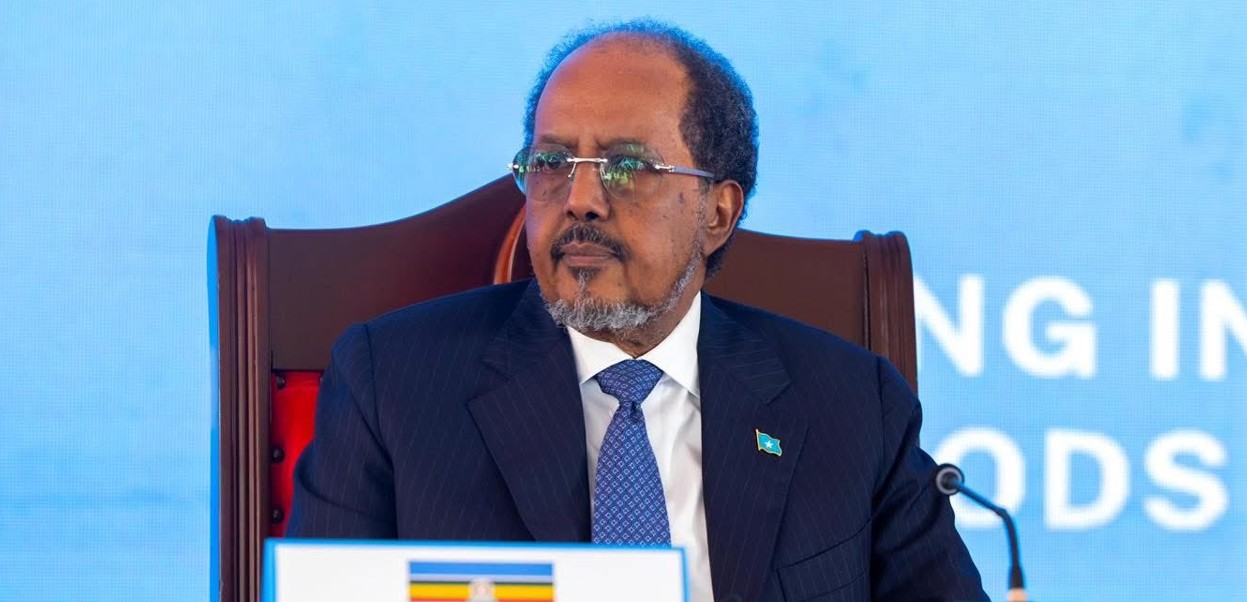
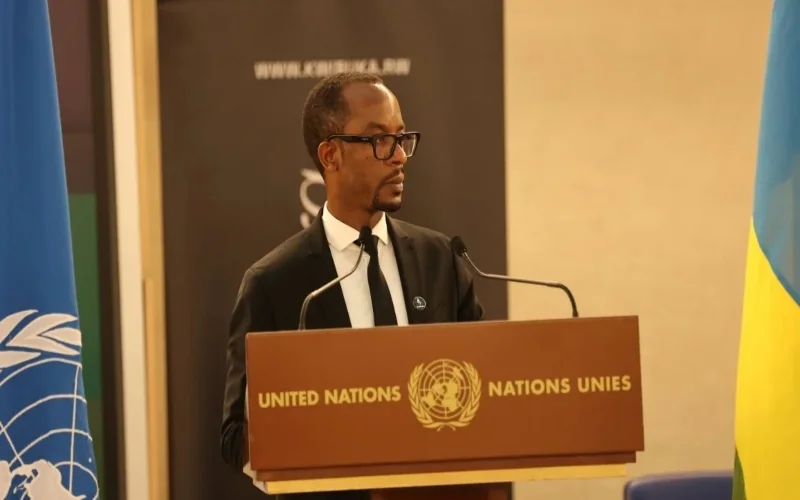
Edmond Tubanambazi, First Counsellor at Rwanda's Permanent Mission at the UN Office in Geneva, said Kinshasa could deepen the humanitarian crisis in conflict-hit eastern DR Congo and undermine efforts to protect civilians.
He presented Rwanda's national statement during the Interactive Dialogue with the UN Special Rapporteur on the Human Rights of Internally Displaced Persons at the 62nd session of the UN Human Rights Council on Thursday, June 25.
Tubanambazi rejected allegations that Rwanda targets Hutu civilians.
"Rwanda knows the devastating consequences of ethnic hatred. The weaponisation of ethnicity is a warning sign the world must never ignore, wherever it is used and whoever it targets," Tubanambazi said.
"Rwanda expresses compassion for the Congolese women, men and children suffering displacement, violence and uncertainty. Their protection must remain at the centre of this Council's attention."
Kinshasa-backed armed groups like the UN-sanctioned FDLR have been accused of driving violence against the Tutsi in North and South Kivu provinces.
He called on the Council to address the "full reality" of the conflict in DR Congo instead of focusing on selective accounts.
According to Tubanambazi, accountability should include both armed groups and state-affiliated militias operating in the country.
He said DR Congo has more than 260 armed groups, including the FDLR, Wazalendo and CODECO that operate with coordination, financing and political backing from Kinshasa.
“The Congolese army and affiliated groups are documented drivers of displacement,” the diplomat added, noting that their role should not be overlooked in efforts to protect internally displaced persons.
He urged the Special Rapporteur to ensure that engagement on the displacement crisis in DR Congo remains protection-centred, addresses all drivers of displacement, and supports safe, voluntary and dignified solutions for affected communities.
He argued that selective narratives conceal responsibility and weaken accountability.
"A selective narrative does not protect IDPs. It covers up responsibility and weakens accountability," he said.

Comments

0
Loading comments...

Trending

Popular Stories This Week