A new analysis shows that extreme rainfall is already capable of making grassroots football pitches in Mathare unplayable, with climate change projected to intensify future risks.
Mathare has consistently produced talented athletes across a range of sports who have gone on to compete at national and international levels. However, this legacy is increasingly under threat as climate change brings heavier rainfall and rising temperatures.
The outlook for grassroots football pitches across Kenya is expected to worsen, with the analysis warning that by 2100, rainfall during major storms affecting Mathare could be 68 per cent higher than current levels.
The findings were presented in the documentary ‘Pitches in Peril: Mathare 4A’, which was screened on Tuesday by a UK non-profit Football for Future and Danish humanitarian organisation, DanChurchAid, at an event hosted by the British High Commission (BHC), Nairobi.
According to the findings that were co-produced by Football For Future in collaboration with climate risk and resilience analytics firm Jupiter Intelligence, growing heat pressures will further affect the game as projections show that heat stress will double by 2040.
“By 2100, rising temperatures could result in 17 days each year when extreme heat disrupts football activity, while water stress is projected to increase by 345 per cent, creating additional challenges for maintaining community pitches,” the analysis shows.
The findings expose the growing threats to grassroots football in Kenya and highlight the opportunity to invest in climate adaptation as part of grassroots tournaments’ legacy.
The documentary, released a year before the AFCON 2027, focuses on the severe floods that swept through Nairobi's Mathare community in 2024 that damaged homes, claimed lives, and left one of the area's most important football pitches underwater.
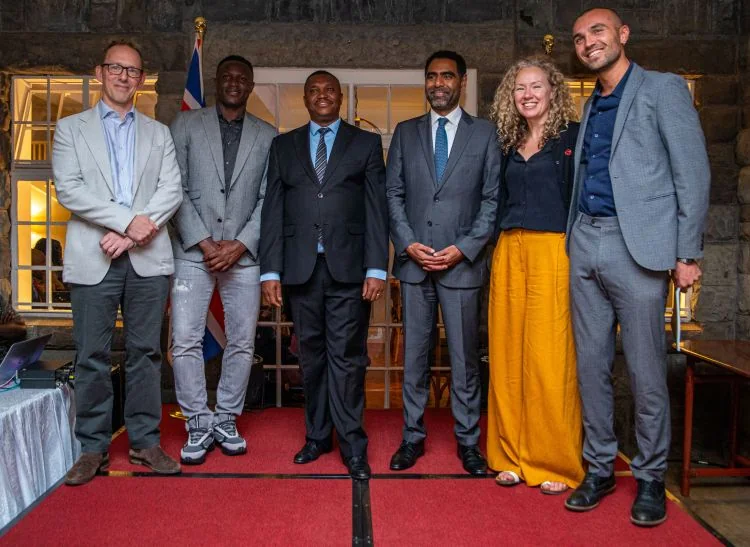
 Guests watch 'Pitches in Peril: Mathare 4A’ documentary at the British High Commission in Nairobi. (BHC)
It follows Meschack Ochieng, a professional footballer in the Kenyan Premier League who currently plays for Sofapaka FC, who calls for the protection of the pitches as a way to nurture talent in the community.
“For many of us, pitches like Mathare 4A are where everything begins. It’s where young people find purpose, build friendships and believe in themselves. Communities like Mathare are strong and resilient, but when those spaces are affected by extreme weather, it’s not just football that is lost; it’s opportunity. Protecting these pitches means protecting the next generation of talent,” says the player.
Beyond nurturing talent, the BHC adds that the pitches offer young people a social anchor, a way to stay healthy, and develop the skills they need to compete for sports scholarships.
“A pitch is more than a place to play. This event reflects the UK’s commitment to working with Kenya to support communities in adapting to climate change. We have brought together governments, sport, and community foundations in partnership to help shape a legacy: of how these pitches, the grassroots and foundations of our sport, are protected for the future,” the British High Commissioner to Kenya, Matt Baugh, said.
The film shows the threat extends beyond Kenya, with 14 of 16 World Cup stadiums having exceeded safe-play thresholds for at least three major climate hazards in 2025, that is; extreme heat, unplayable rainfall, and flooding.
This is happening as the world turns its attention to the FIFA World Cup 2026.
“Mathare 4A reminds us that the future of football is not only decided in stadiums. It is shaped on community pitches, in local neighbourhoods and through the opportunities football creates for young people every day. As East Africa prepares to host AFCON 2027, we have a unique opportunity to ensure the tournament leaves a legacy that strengthens and protects the places where the game begins,” said Elliot Arthur-Worsop, the Founder of Football for Future.
To Jonas Vejsager Nøddekær, the Secretary General of DanChurchAid, the story from Mathare reminds everyone that adaptation is not an abstract concept but about protecting people's lives, opportunities and futures.
“Climate impacts are already affecting communities around the world, and adaptation needs far greater political attention and financial support. Whether we are protecting homes, schools, farms or football pitches, investing in adaptation is investing in people's ability to live safely and with dignity in a changing climate,” he said.
The event was also attended by Football Kenya Federation President Hussein Mohammed, Kenyan football legend Victor Wanyama, a mix of climate experts, and state representatives from the Governments of Denmark, Kenya and the UK to kick off discussions about how climate adaptation could be the legacy of AFCON 2027.












































Comments
Sign in with Google to comment, reply, and like comments.
Continue with Google