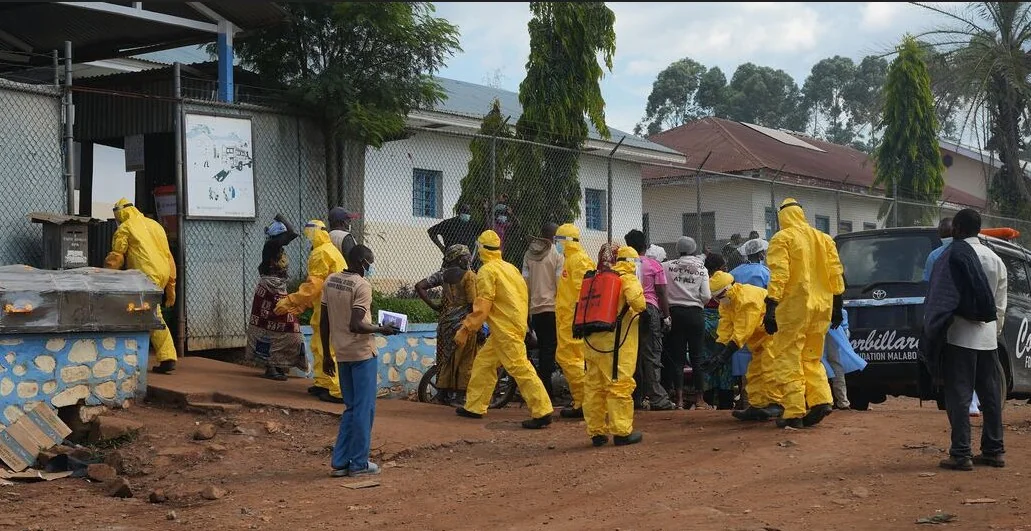
The Ebola outbreak in the Democratic Republic of the Congo (DRC) could push nearly one million more people into poverty while costing African economies billions of dollars, according to a new United Nations (UN) report.
The findings, contained in the "Rapid Socioeconomic Assessment of Ebola Outbreak in the DRC" released by the United Nations Development Programme (UNDP), show that efforts to contain the virus, including disruptions to trade, travel and economic activity, are placing growing pressure on livelihoods in the DRC and neighbouring countries.
Even if the outbreak is brought under control, the assessment estimates that about 985,000 additional people could fall into poverty. The DRC alone could lose more than $1 billion (Sh129.5 billion) in economic output and an estimated 55,000 jobs.
The report also warns that the economic impact will extend beyond the DRC. If transmission remains largely contained, disruptions to cross-border trade, transport and consumer activity could reduce Africa's gross domestic product by $2.37 billion (Sh306.8 billion). However, if the outbreak triggers wider regional and global shocks, total losses could rise to $3.6 billion (Sh466 billion).
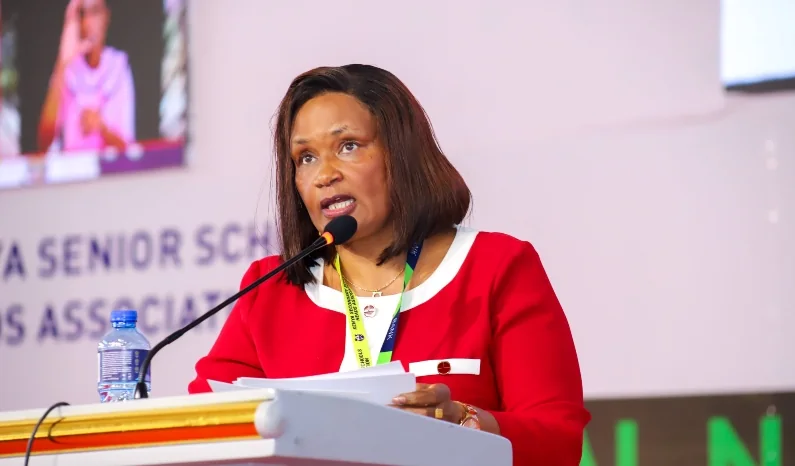
According to UN Assistant Secretary-General and UNDP Regional Director for Africa Ahunna Eziakonwa, the outbreak is having consequences far beyond public health.
"Ebola does not stop at the hospital gate. It affects livelihoods, education, food security, trade, public finances and trust. If we treat this Ebola outbreak solely as a health challenge, we risk missing the much larger development emergency unfolding around it," she said.
The assessment also highlights the disproportionate impact on poorer households, many of which depend on daily wages and have little financial cushion to cope with prolonged disruptions. It projects that the poorest 20 per cent of households could see a sharp decline in daily consumption, reversing recent gains in poverty reduction.
Women are expected to bear an even greater burden. Many depend on informal cross-border trade for their livelihoods, making them particularly vulnerable to movement restrictions and tighter border controls. They also make up a large share of frontline health workers and remain the primary caregivers in many households, increasing both their economic vulnerability and their risk of exposure to the virus.
The report further warns that diverting health resources to the Ebola response could disrupt essential medical services. It estimates that interruptions to routine healthcare could contribute to as many as 2,520 additional infant deaths in the DRC from causes unrelated to Ebola.
To reduce these impacts, UNDP is calling on governments, development partners and international financial institutions to combine disease-control measures with interventions that protect livelihoods and maintain essential public services. Its recommendations include targeted cash transfers for vulnerable households, sustained funding for maternal and child healthcare, and replacing blanket border closures with targeted screening systems that allow cross-border trade to continue safely.




































Comments
Sign in with Google to comment, reply, and like comments.
Continue with Google