Government defends use of intern teachers in junior schools amid calls for permanent jobs
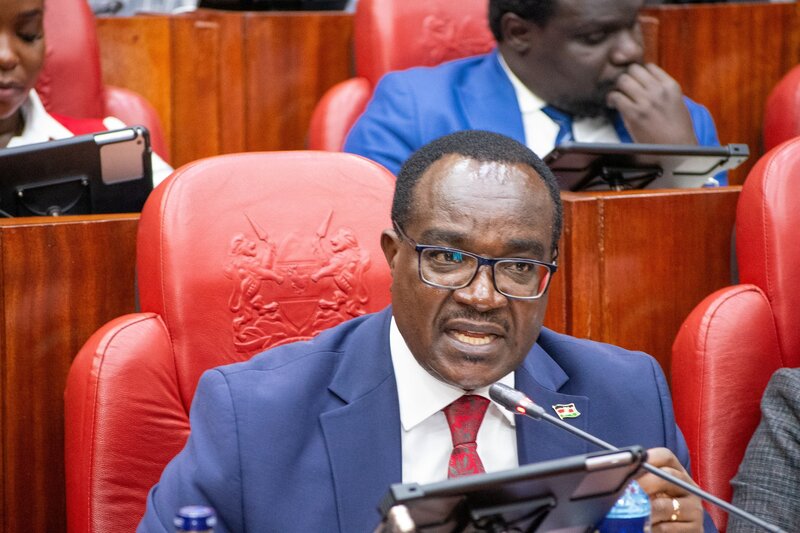
TSC said the internship programme equips teachers with practical teaching experience, improves pedagogical skills and provides jobs for unemployed youth, but stressed that it does not automatically lead to permanent and pensionable employment.
The government has defended the continued use of intern teachers in junior schools, saying the programme provides essential classroom experience and skills development, even as calls grow for their absorption into permanent positions.
The Ministry of Education and the Teachers Service Commission (TSC) argued that the internships, guided by the 2019 Teacher Internship Policy, are designed to enhance pedagogical expertise and create employment opportunities for youth, rather than serve as a guaranteed route to permanent service.
More To Read
- TSC extends junior school internship contracts by another year despite growing unrest
- TSC announces recruitment of 9,159 teachers nationwide
- Senators demand permanent jobs for 20,000 junior secondary intern teachers
- Ruto announces recruitment of 24,000 more teachers by January to ease national shortage
- Intern teachers warn they will not resume duties in January without permanent status
- KUPPET flags stalled promotions, internship contracts for teachers
TSC said the internship programme equips teachers with practical teaching experience, improves pedagogical skills and provides jobs for unemployed youth, but stressed that it does not automatically lead to permanent and pensionable employment.
Internship contracts run between three and 12 months, with the option of extension where necessary. Currently, 20,000 intern teachers serve in junior schools on contracts spanning January 1 to December 31, 2025. The commission has offered to extend contracts for another year, citing a lack of budgetary allocation in the 2025/26 financial year for permanent absorption.
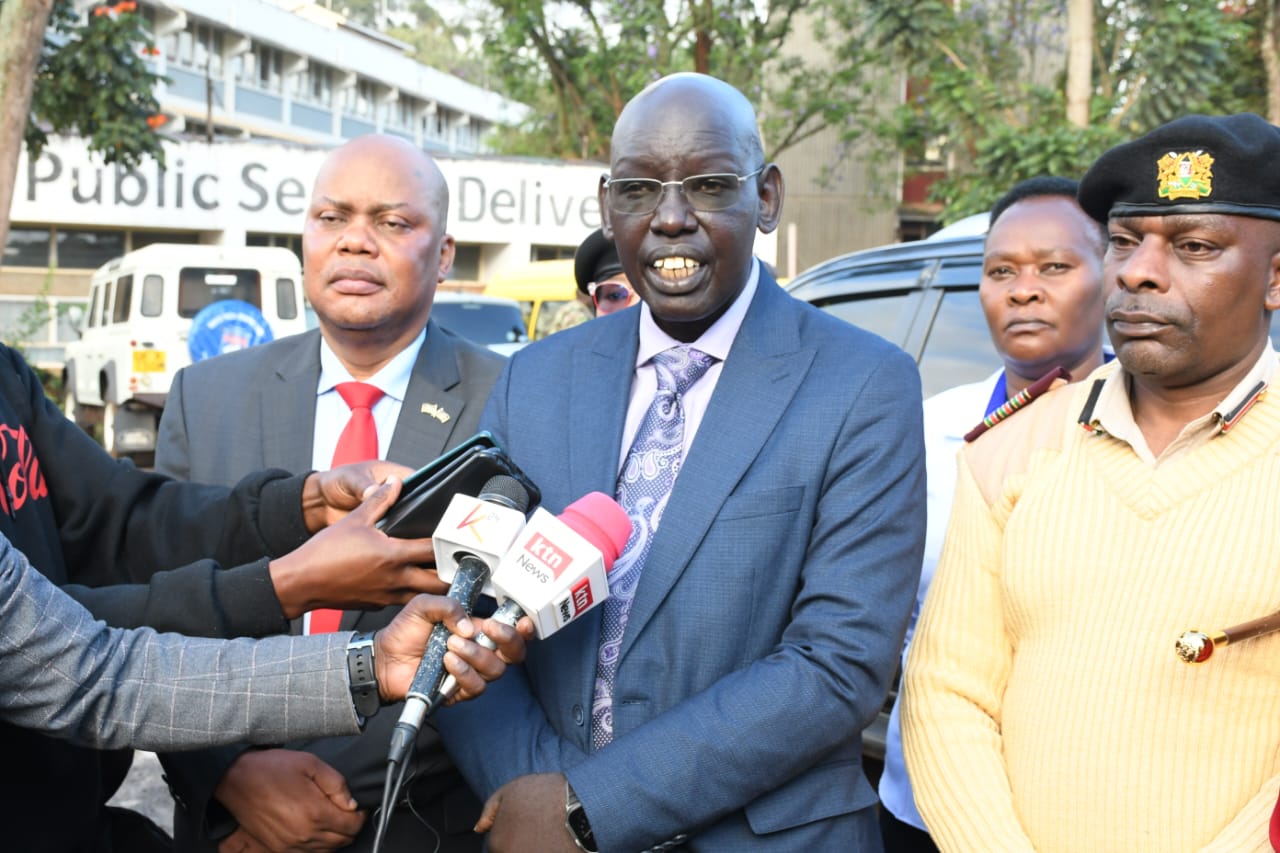
“This extension is an offer and not automatic. Those who accept will continue serving under the existing internship terms, while those who decline will exit the programme in accordance with their contracts,” TSC said.
Despite growing pressure from unions and teachers’ groups for immediate confirmation of interns, TSC reiterated that permanent absorption depends on budgetary approval from the National Treasury and Parliament.
“TSC remains committed to progressively absorbing qualified teachers, including former interns, subject to availability of funds and approval by Parliament,” the commission said.
On pay, TSC clarified that intern teachers receive a gross monthly stipend of Sh20,000, translating to an average net pay of about Sh17,000 after statutory deductions. The commission also noted that all teachers assigned to junior schools are professionally qualified, despite concerns over understaffing, heavy workloads and low pay.
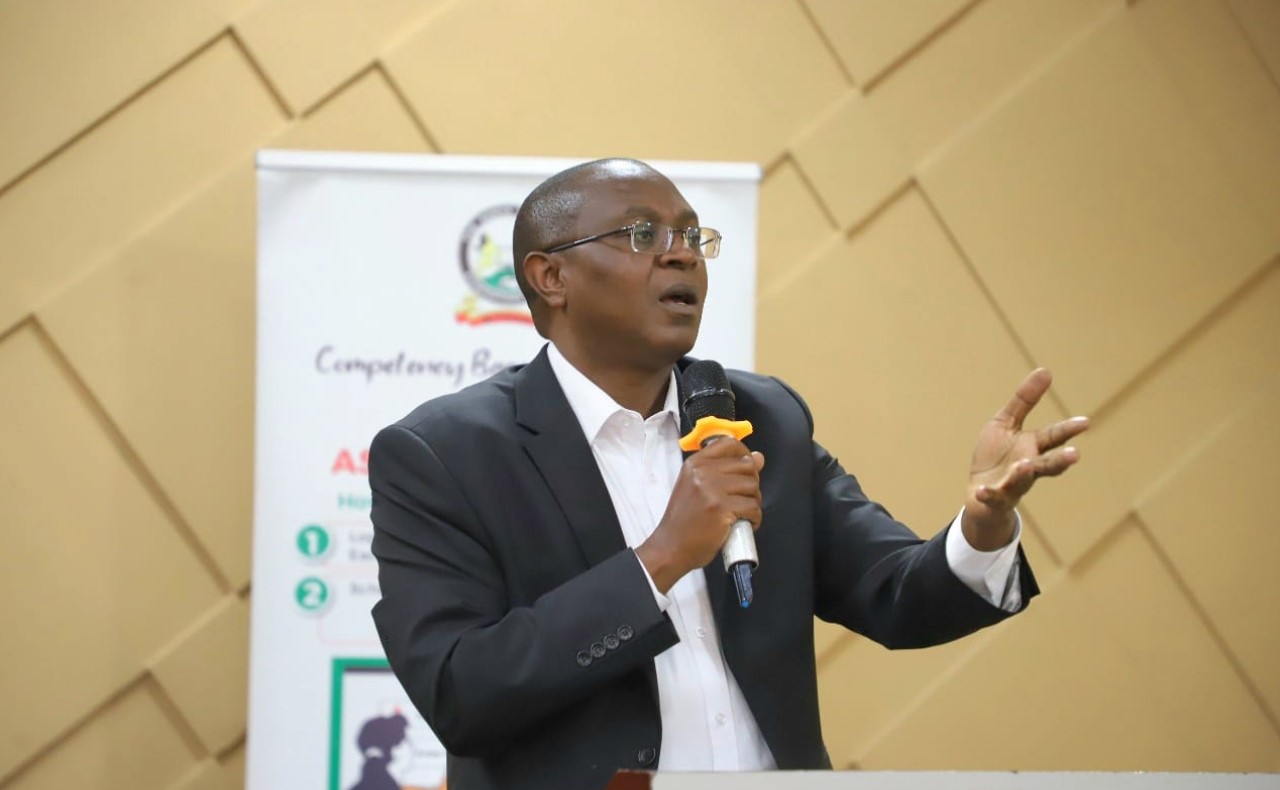
Education Cabinet Secretary Julius Ogamba said the introduction of junior school in 2023, covering Grades 7, 8 and 9, significantly increased demand for teachers.
“The government has recruited 56,000 teachers on permanent and pensionable terms since the inception of junior school, deployed 10,097 qualified primary school teachers to the new level, and is currently relying on 20,000 intern teachers, with an additional 24,000 set to report in January 2026,” he said.
TSC defended the deployment of teachers across multiple learning areas, noting that the junior school curriculum is largely based on secondary school content, requiring teachers trained in at least two subjects.
“TSC ensures that subject assignment in junior schools aligns with teachers’ areas of training. Integrated Science is taught by teachers trained in Biology, Chemistry and Physics, while Pre-Technical Studies is handled by teachers trained in Technical Education,” the commission said.
On workloads, where some teachers handle up to 40 lessons per week against the recommended 28, TSC said it is conducting regular staff balancing to redistribute teachers from well-staffed schools to those with acute shortages.
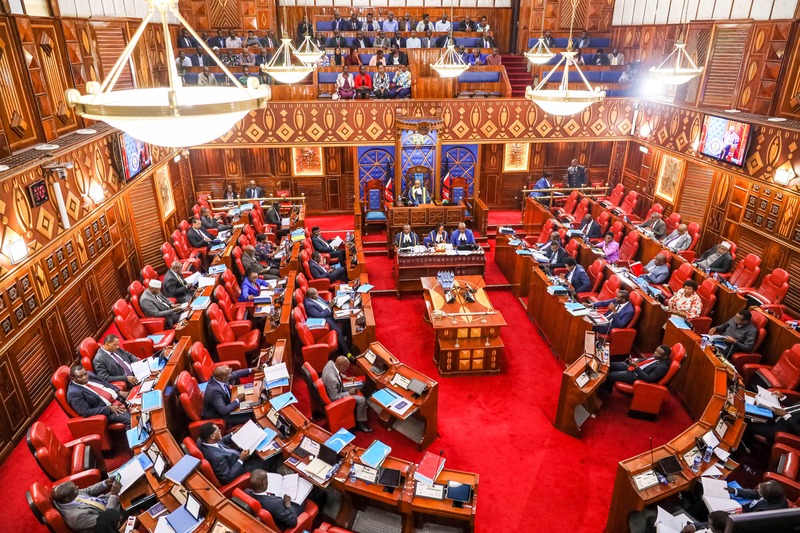
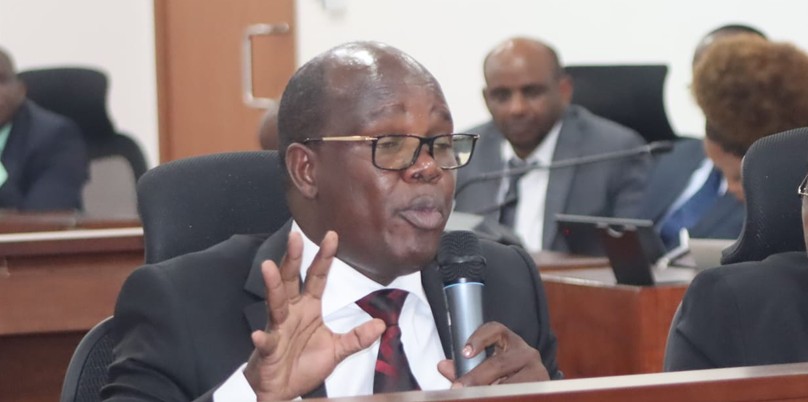
Kiharu Member of Parliament, Ndindi Nyoro, criticised the government for failing to confirm the intern teachers on permanent and pensionable terms, yet they had been promised absorption.
“The government is now telling JSS teachers that they will continue serving on an intern basis for another year, without confirmation. It’s unfair for the state to do so; they were absorbed on an intern basis with the hope that they will one day be absorbed on a permanent and pensionable basis,” he said.
Nyoro, a former Chair of the Budget Committee, questioned why funds are being withheld for confirming junior secondary school interns. He suggested invoking Article 223 of the Constitution, which allows funds already utilised to be presented to Parliament for approval.
“I have been the budget chair. You don’t necessarily need money in the budget to confirm JSS teachers; you can use article 223, where you can use the money, then take it to parliament later for approval,” he said.
He further urged TSC to ensure all interns are absorbed on a permanent and pensionable basis by January 2026 and warned that delays, coupled with low pay, have caused frustration among interns, with some reportedly considering extreme measures, including suicide.
Nyoro also criticised the current Parliament for failing to hold the government accountable. He vowed to continue speaking out even if he is the only voice of dissent.
Top Stories Today