Students applying for government scholarships have been warned against providing false family information after the Universities Fund revealed that some applicants are pretending to be orphans in a bid to receive the highest level of financial support.
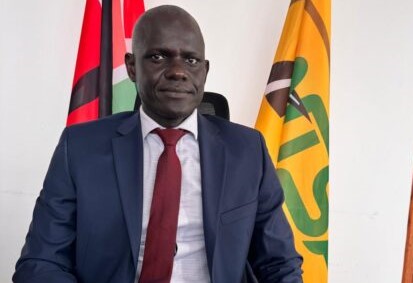
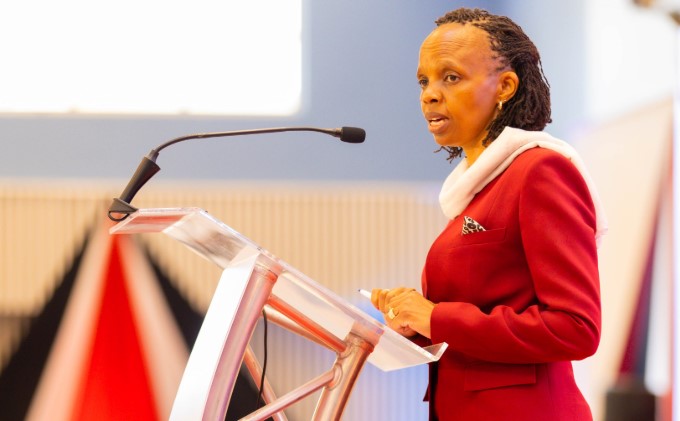
Speaking during a higher education funding sensitisation forum at Uriri High School in Migori County, Universities Fund acting Chief Executive Officer Edwin Wanyonyi said the agency had detected cases where applicants were falsifying details about their families to get more funding.
Wanyonyi said some students were wrongly declaring that their parents had died because orphaned students qualify for higher scholarship allocations under the needs-based higher education funding model.
“You now know that if you are an orphan, you qualify for the highest level of scholarship. Some of you are now trying to ‘kill’ your parents on paper so that you can receive more government support,” Wanyonyi said.
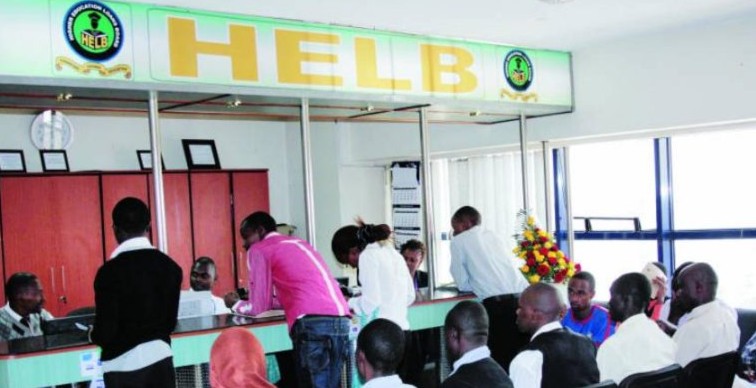
He warned that such false declarations would not succeed because the Universities Fund and the Higher Education Loans Board (HELB) have systems to verify information provided by applicants before funding decisions are made.
“We have mechanisms to verify the information you provide. If your parents are alive, we will know. The best thing is to be truthful because the funding model is designed to identify those who genuinely need support,” Wanyonyi said.
The Universities Fund said there was a growing trend of fraud under the funding model, where financial support is determined by a student’s level of vulnerability. Information submitted by applicants, including family income, number of siblings, illnesses and other social and economic conditions, is used to determine the amount of support they receive.
University students apply for government scholarships and HELB loans through a joint portal introduced in 2023 by the two agencies. The information collected is used to categorise students according to their financial needs.
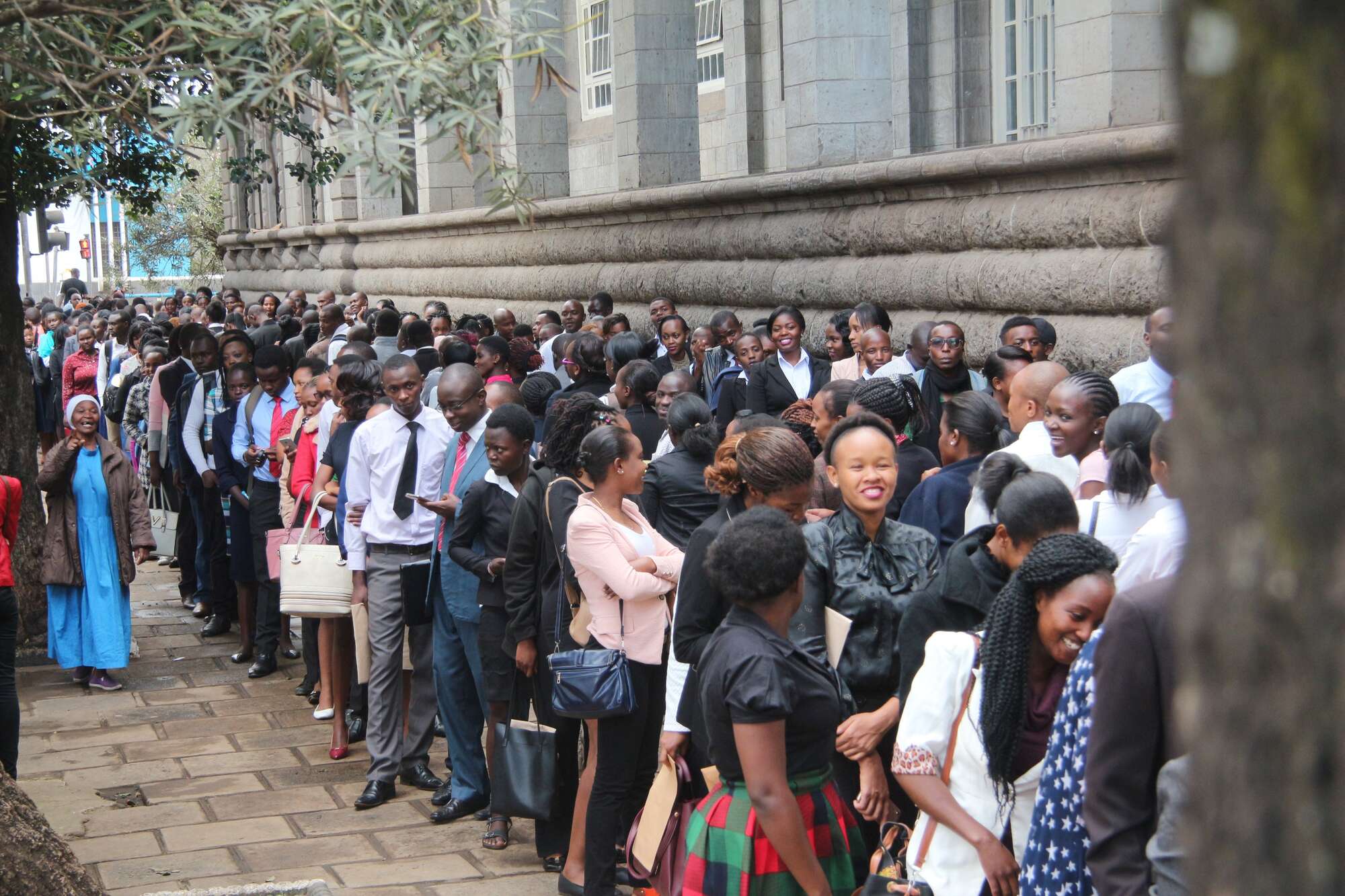
Wanyonyi’s remarks come as more than 200,000 students placed in universities through the Kenya Universities and Colleges Central Placement Service (KUCCPS) begin applying for government scholarships and HELB loans ahead of admission in September.
Under the current higher education funding model, all students admitted to public universities qualify for some level of government scholarship. Those from the most vulnerable households receive the highest scholarship allocation, with the government covering up to 55 per cent of their tuition costs, while the remaining amount is met through loans and household contributions depending on financial need.
Wanyonyi urged students who have secured university placement to apply for funding and take advantage of the available support.
“You have already been placed by KUCCPS. The next step is securing funding. Your first stop should be the government scholinvestment by the government in your education,” he said.
He urged students to apply for both scholarships and Helb loans to increase their chances of receiving enough financial support for their studies.
“When you begin your application, make sure you select both scholarship and loan. That gives you the best opportunity to receive sufficient funding for your studies,” he said.
Wanyonyi also asked applicants to provide complete and accurate information about their families, saying the details help determine the level of support each student receives.
“Parents should walk this journey with their children. Help them provide all the required documents and ensure they give us truthful information. Details such as poverty levels, the number of siblings and illnesses in the family are important. They help us determine the appropriate level of scholarship,” he said.
He expressed concern that some students who genuinely need financial support fail to apply because of a lack of awareness about the funding programme.
The Universities Fund, KUCCPS and HELB are conducting nationwide sensitisation campaigns to educate students and parents on the application process and address misconceptions surrounding the higher education funding model.
Students who have already received admission letters have until September 6, 2026, to complete their applications for scholarships and loans.
During the Migori forum, HELB Chief Executive Officer Geoffrey Monari urged all 2025 Kenya Certificate of Secondary Education (KCSE) candidates who have secured placement in universities or Technical and Vocational Education and Training (TVET) institutions to apply for government funding regardless of their grades.
“You must apply to be considered for funding. If you do not submit an application, you will not be eligible for government scholarships or loans. But please be honest in your application; if you used to get a scholarship, please give us the details and upload a letter for confirmation. Orphans must upload death certificates of their parents,” he said.
Monari said students who are still minors and do not have national identity cards can apply for government funding using their KUCCPS index numbers.
He said the amount of funding and scholarship awarded will depend on the information provided during the application process and the assessment of each student’s financial need.
He also asked students living with disabilities to disclose their status and provide the required supporting documents to allow proper assessment.
Monari emphasised that the application process is free and warned students against allowing other people to fill in their forms on their behalf.
He cautioned applicants against using other people’s telephone numbers, email addresses or national identity cards during registration, saying all official communication, including funding decisions, would be sent through the contacts provided during the application process.








































Comments
Sign in with Google to comment, reply, and like comments.
Continue with Google