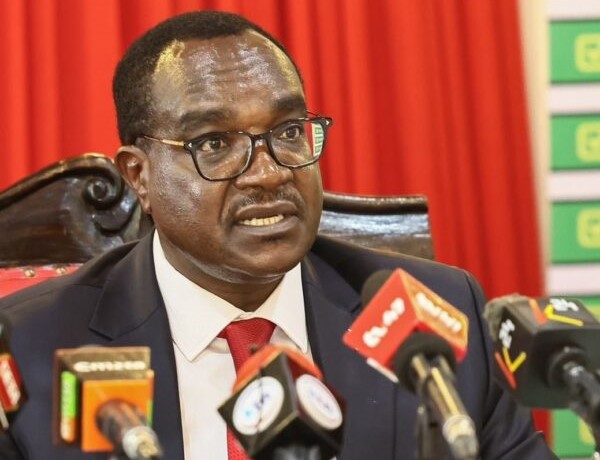
Public universities are facing a Sh28.9 billion funding gap, with delayed capitation disbursements worsening the financial crisis in tertiary institutions, Education Cabinet Secretary Julius Ogamba told MPs on Wednesday.
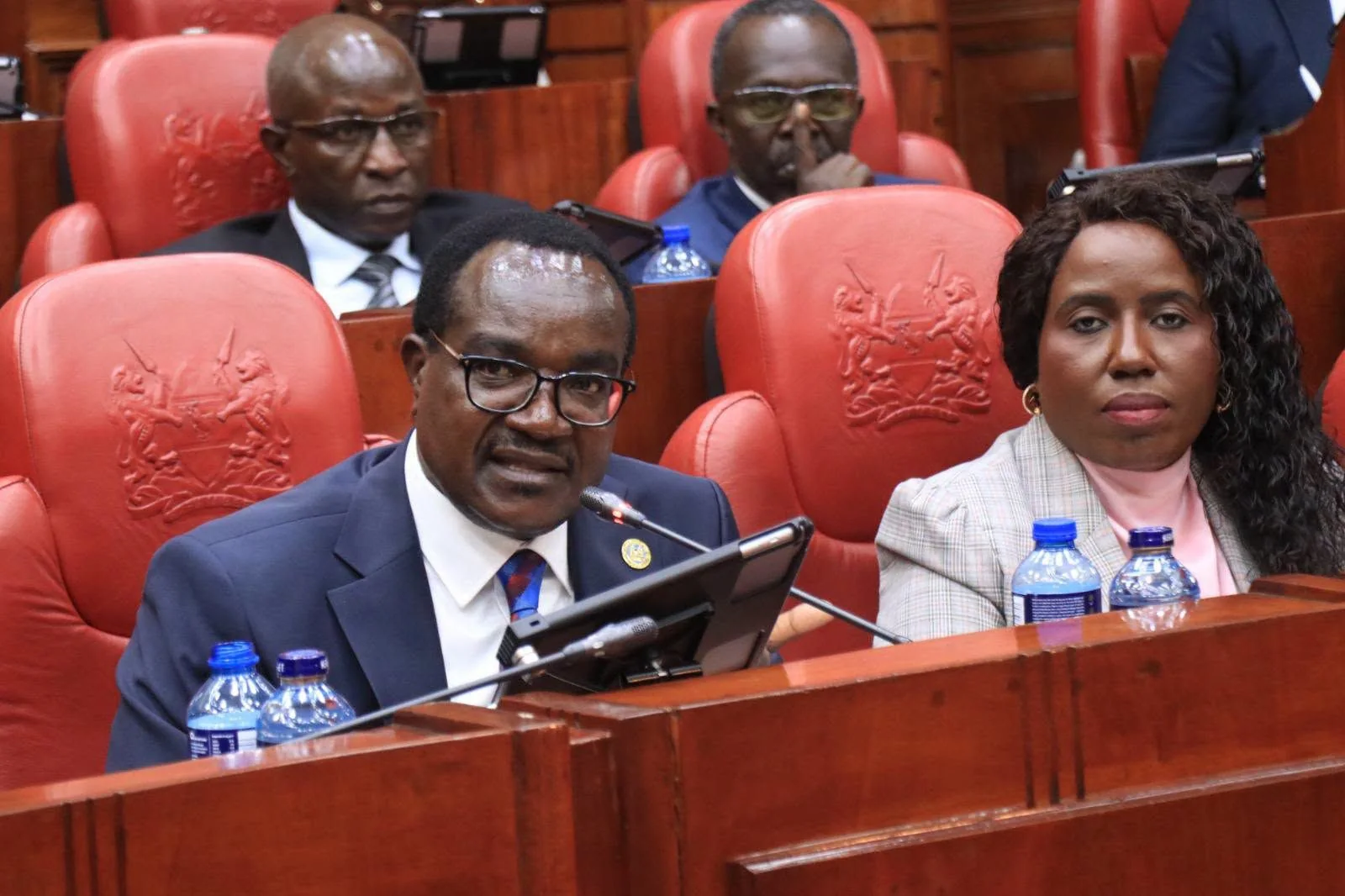
Appearing before the National Assembly Public Investments Committee on Governance and Education, Ogamba said chronic underfunding continues to strain universities, Technical and Vocational Education and Training (TVET) institutions and teacher training colleges despite government efforts to improve financing under the new university funding model.
"The challenge has been that whatever amount we request, because of financial constraints, we do not receive the full allocation. That creates annual deficits, except in the 2025/26 financial year, where TVET capitation was fully disbursed as budgeted," Ogamba said.
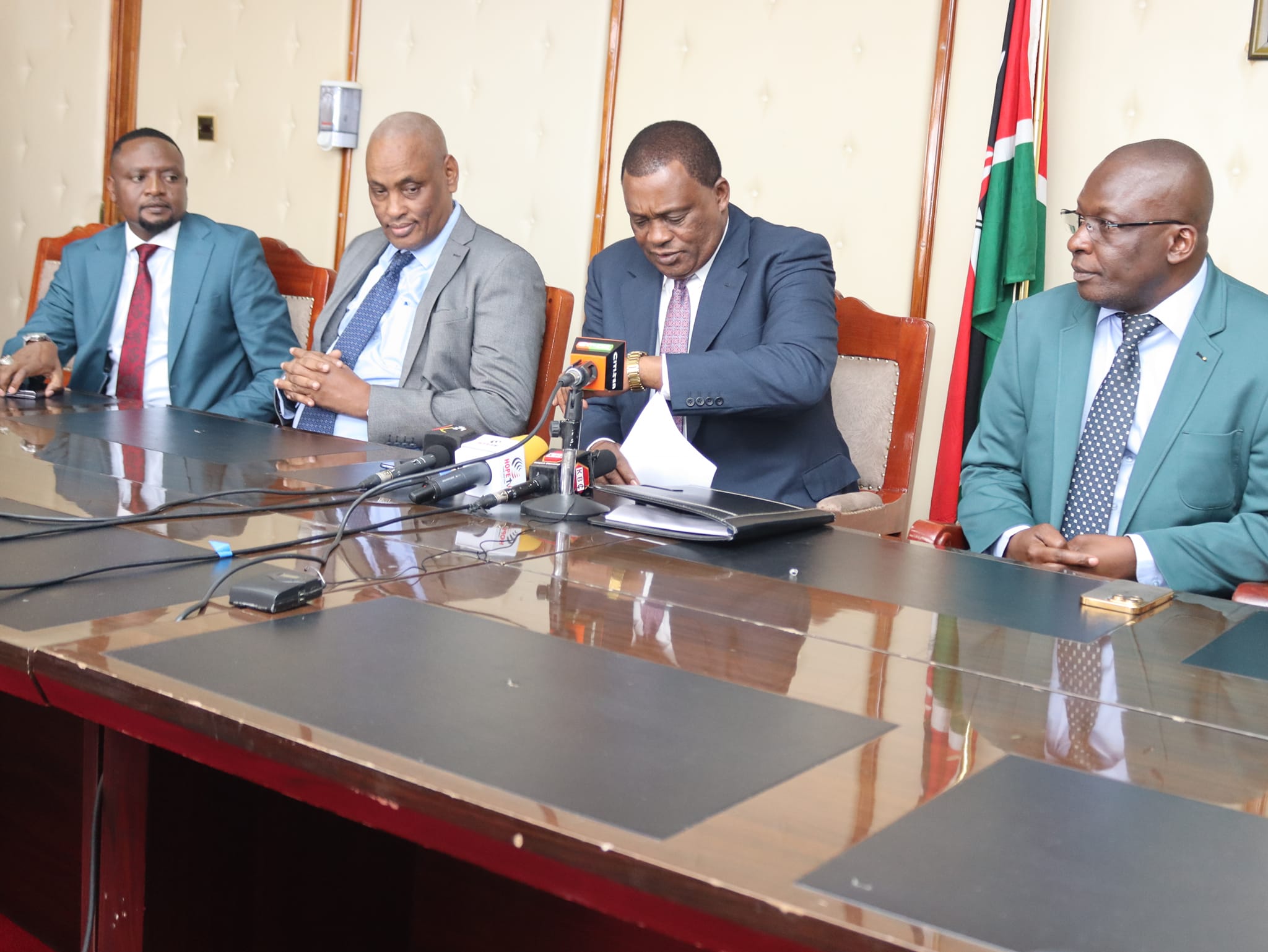
The Cabinet Secretary, accompanied by Higher Education Principal Secretary Beatrice Inyangala, TVET Principal Secretary Esther Thaara Muoria, Universities Fund Acting Chief Executive Edwin Wanyonyi and Higher Education Loans Board (HELB) Chief Executive Geoffrey Monari, was responding to the Auditor-General's reports for the 2018/19 to 2024/25 financial years.
The audit reports flagged delayed capitation, stalled infrastructure projects, weak financial management, declining TVET enrolment, unaccounted government equipment and growing financial instability across public institutions.
MPs raised concerns over shrinking enrolment, unpaid bills, and abandoned projects, with Kilome MP Thaddeus Nzambia blaming delayed capitation for the decline in student numbers in TVET institutions.
"The principals consistently point to delayed capitation as the major reason students are dropping out. This was a good programme meant to equip young people with technical skills, but the current trend is worrying," Nzambia said.
Embakasi West MP Mark Mwenje questioned why institutions continued to face funding shortages despite government assurances that capitation had been released. He also cited the Sh28.9 billion university funding gap, saying students were increasingly relying on Constituency Development Fund bursaries and HELB loans to remain in school.
"Students are under immense pressure, especially when examinations approach. Universities require predictable funding instead of leaving students to depend on bursaries that cannot adequately meet tuition costs," Mwenje said.
Responding, Ogamba said the ministry was seeking additional funding from the National Treasury while finalising the proposed Tertiary Education Funding Bill, 2025, to establish a sustainable financing framework.
He said the ministry had also barred institutions from launching new projects before completing existing ones and would terminate contracts for stalled projects after legal review where necessary.































Comments
Sign in with Google to comment, reply, and like comments.
Continue with Google