The Ministry of Education has attributed delays in disbursing capitation funds to Technical and Vocational Education and Training (TVET) institutions to funding constraints, saying the annual allocation has remained at Sh5.2 billion despite rising student enrolment.
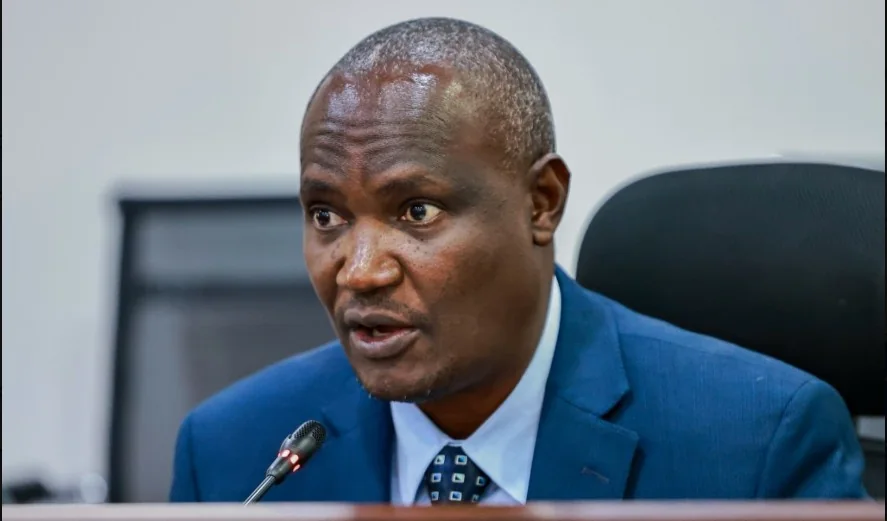
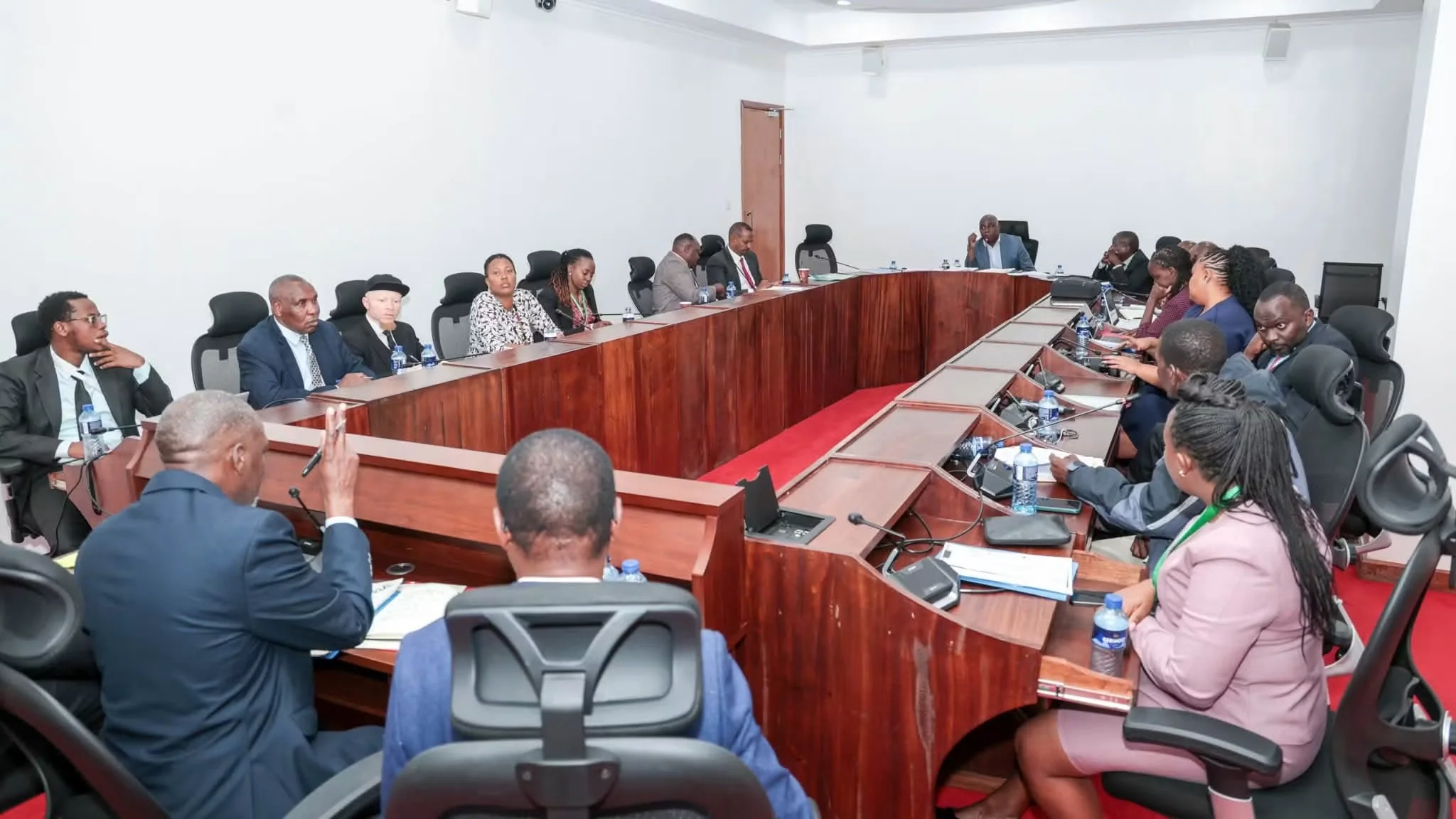
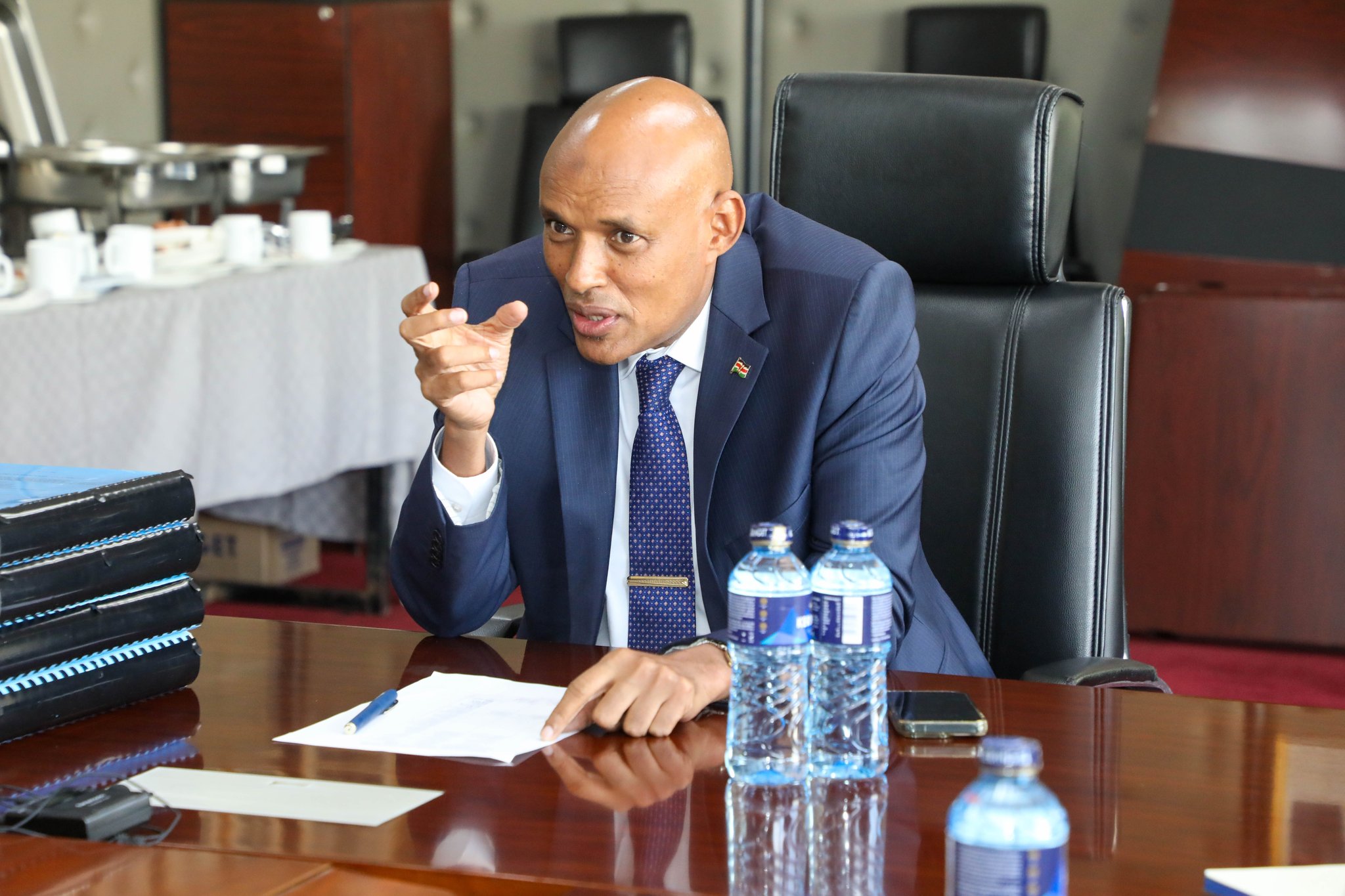
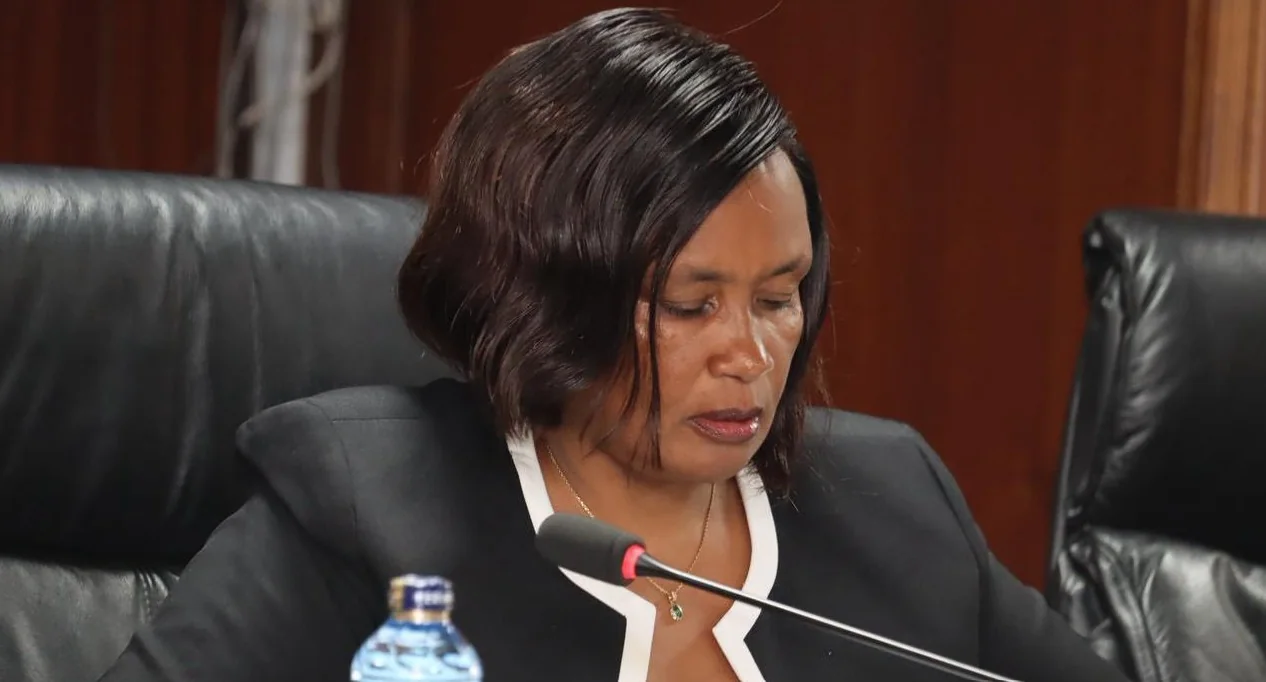
Appearing before the National Assembly’s Public Investments Committee on Governance and Education on Wednesday, Education Cabinet Secretary Julius Ogamba said the ministry has consistently received less funding than TVET institutions require. He added that in most years, the actual amount disbursed has fallen below the allocated budget.
“The amount of capitation disbursed to TVET institutions up to the financial year 2025-2026 has remained at Sh5.2 billion. However, the disbursement has not always been Sh5.2 billion; in most cases, it has been lower than that. The deficit arises from the fact that the allocated amount is not always disbursed as budgeted. For the financial year 2025-2026, the budgeted amount was Sh5.2 billion, and the full amount was disbursed,” Ogamba said.
He, however, revealed that all the funds allocated for the 2025-2026 financial year have since been released to TVET institutions.
Ogamba also told the committee that the student support funding model introduced in the 2023-2024 financial year has faced similar funding challenges due to inadequate budget allocations. He said the TVET scholarship programme is currently facing a funding gap of about Sh14.9 billion.
“Honourable Chair and members, the student support funding model, which was adopted in 2023-24, the State Department has been receiving inadequate funds compared to the requirements. A total of Sh7.9 billion in TVET scholarship funds has been disbursed, benefiting almost 200,000 trainees in different institutions,” he said.
“The funding situation for scholarships is indicated in Table Two, as you can see, and the total deficit there is Sh14 billion, Sh14.9 billion or thereabout."
He explained that delays in releasing TVET capitation and scholarship funds mirror challenges affecting other education institutions and are largely caused by delays in the release of funds by the National Treasury.
“So the main reason here for the occasional delays in disbursement of capitation and scholarship funds to TVET institutions, just like all our other institutions, relates to the delay in the release of exchequer funds from the National Treasury. The reason for inadequate disbursement is the inadequate exchequer that is normally received from the National Treasury,” Ogamba said.
The CS said the State Department for TVET continues to submit funding requests to the National Treasury on time to help minimise delays. He added that the ministry also engages the Treasury in advance to highlight priority funding needs, including capitation, to facilitate faster release of funds.
Ogamba said that once the Treasury releases the money, the ministry immediately transfers it to TVET institutions to ensure their operations continue without disruption.
He, however, noted that the Tertiary and Funding Bill, 2025, which is set to be tabled in Parliament, proposes measures to address persistent funding challenges in the education sector.
“Actually, the Tertiary and Funding Bill, 2025, which is on its way to Parliament, provides recommendations on what we need to do to ensure that eventually this problem is completely resolved. One of the recommendations is that we need to look at all the funds that we are utilising in the education sector and consolidate them in one place so that we can then use them to distribute and support our students,” Ogamba said.
He added that there is also a need to introduce dual training policies to enhance the sustainability of TVET institutions.




































Comments
Sign in with Google to comment, reply, and like comments.
Continue with Google