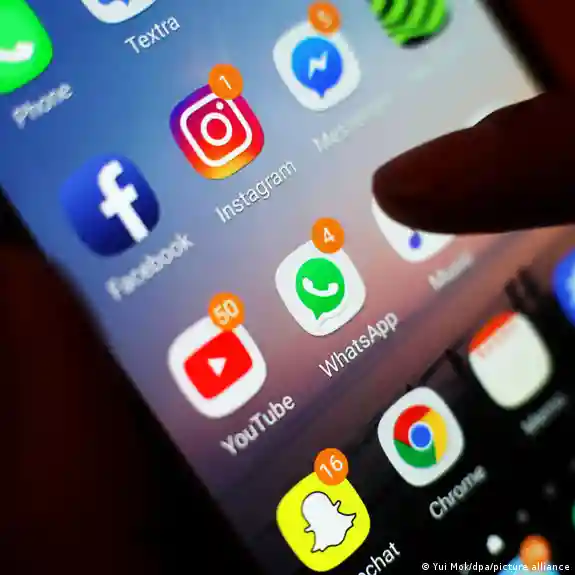
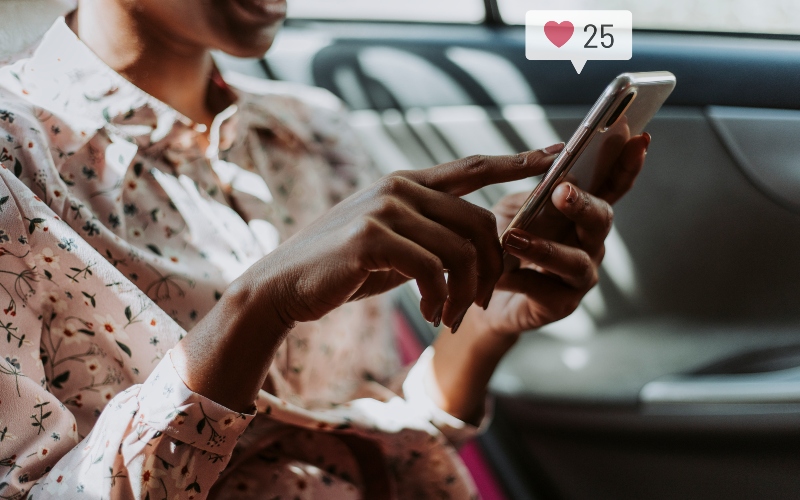
For many people, one of the first things they do after sharing a photo, video, or message on social media is check how many likes it has received. A post that attracts many likes can feel rewarding and encourage someone to keep posting.
A new study published in JAMA Psychiatry suggests these online reactions may have an even greater influence on people living with depression.
Researchers from Princeton University found that people with depression or depressive symptoms were more likely to post again after receiving more likes on their content than people without depression. The findings suggest that social approval in the form of likes may be a stronger source of motivation for people experiencing depression.
The study comes at a time when social media has become part of everyday life for billions worldwide, raising growing concerns about how online interactions affect mental health.
According to the World Health Organisation (WHO), depression affects an estimated 280 million people globally and is one of the leading causes of disability.
While previous studies have explored whether spending more time on social media increases the risk of depression, this research looked at a different question: how people respond to the feedback they receive online.
The researchers analysed more than 17 million posts shared by 7,736 users on X, formerly known as Twitter. Instead of relying on participants to recall or report their social media habits, they examined real activity on the platform over time.
They compared the average number of likes each user received in a day with how much that person posted the following day, aiming to determine whether receiving more likes encouraged users to become more active.
To strengthen the findings, the researchers used three separate groups of participants. The first group included people who had publicly disclosed being diagnosed with depression. The second group consisted of users who completed an online survey about depressive feelings over the previous four weeks. The third group completed a validated questionnaire measuring symptoms of depression.
Across all three groups, the findings were consistent: people diagnosed with depression or reporting more severe symptoms were significantly more likely to post again after receiving a larger number of likes than users without depression.
"In this cross-sectional study, we found that individuals with depressive psychopathology showed a greater tendency to be reinforced by likes on Twitter," the researchers wrote.
The findings challenge earlier laboratory studies, which suggested people with depression are generally less responsive to rewards or positive experiences. Instead, the new research indicates that social approval received online may affect people with depression differently from other types of rewards.
The researchers believe one possible explanation is that social media likes provide a form of social validation that may be particularly meaningful for people struggling with depression. For some individuals, especially those who feel isolated or lack support in daily life, positive feedback online could become an important source of encouragement.
The study also found the relationship was strongest among people with symptoms of both depression and anxiety.
However, other mental health characteristics examined, including compulsive behaviour and intrusive thoughts, did not show the same pattern. People with these traits tended to post regularly regardless of how many likes they received.
Although the findings offer valuable insights, the researchers caution against concluding cause and effect. Because the study only observed behaviour at one point in time, it cannot determine whether depression makes people seek more social validation online or whether receiving likes influences depressive symptoms.
"Our results underscore the importance of studying real-world behaviour in computational psychiatry and highlight a possible psychological mechanism linking social media use to mental health," the researchers noted.
Mental health experts say the findings highlight the complex relationship between social media and emotional well-being. Social media is not necessarily harmful for everyone, but the way people interact with these platforms may differ depending on their mental health.
For people living with depression, likes and other forms of online engagement may carry greater emotional significance. While receiving many likes may encourage them to keep posting, receiving few or no likes could also have a stronger emotional impact, though this study did not directly examine that question.
Researchers say more studies are needed to understand how social media platforms influence mental health over time and whether these findings apply to other platforms such as Instagram, TikTok, and Facebook.
As more than five billion people worldwide use social media, understanding how digital interactions shape emotional well-being is becoming increasingly important. The researchers hope their findings will help guide future efforts to improve mental health support and encourage healthier online experiences.
While social media can provide connection, support, and a sense of belonging, experts emphasise it should never replace real-life relationships or professional mental health care.
For people experiencing persistent sadness, loss of interest, or other symptoms of depression, seeking help from a qualified mental health professional remains the most effective step toward recovery.










































Comments
Sign in with Google to comment, reply, and like comments.
Continue with Google