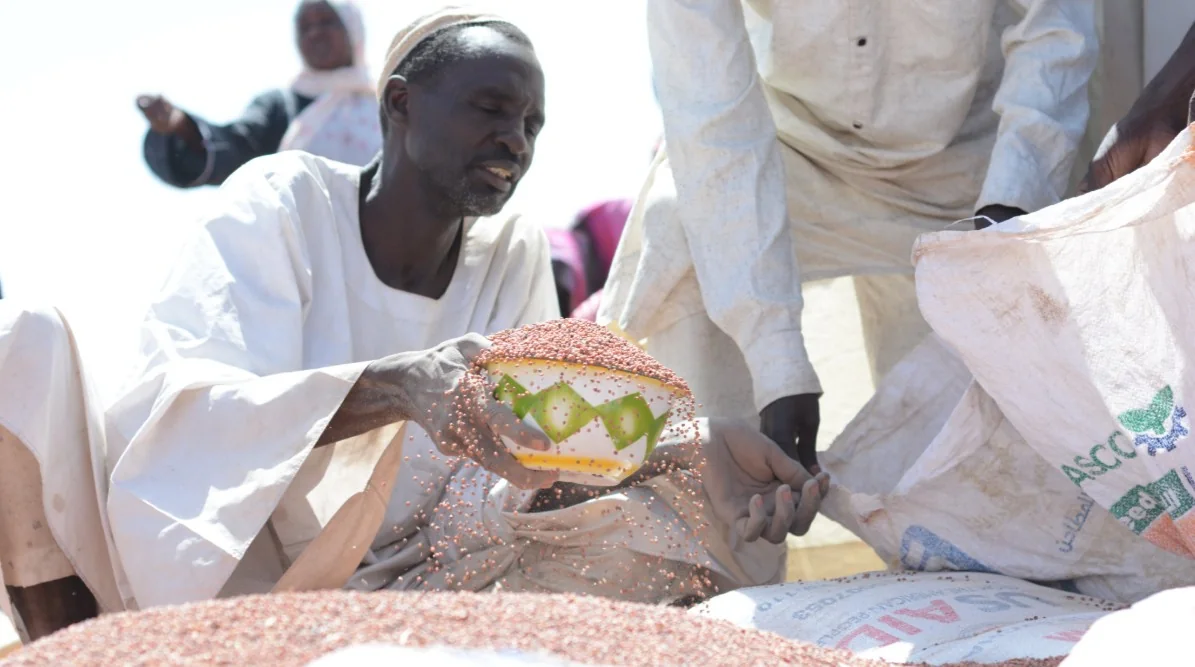
Sudan is at risk of a worsening hunger crisis as continued fighting, shrinking humanitarian funding and rising agricultural costs threaten to reverse recent gains in food security, the World Food Programme (WFP) has warned.
WFP Acting Executive Director Carl Skau said the scale of the crisis remains among the worst in the world despite an expanded humanitarian response.
“It’s a massive crisis both in terms of numbers and due to the gravity,” Skau told Reuters.
More than 100,000 people remain trapped in famine-like conditions, classified as IPC Phase 5, the highest level on the United Nations-backed Integrated Food Security Phase Classification scale.
“With these kinds of numbers in IPC 5 starvation, it is extremely, extremely serious,” Skau said.
Sudan remains the world's largest humanitarian emergency, with nearly 19.5 million people facing acute food insecurity. About five million people are experiencing emergency or catastrophic levels of hunger.
The WFP warned that humanitarian operations are under growing strain due to funding shortfalls and rising food production costs linked to global market disruptions following the recent conflict involving Iran.
The agency also raised concerns over renewed fighting around El-Obeid in North Kordofan, warning that the city could face conditions similar to those in El-Fasher, Darfur, where prolonged fighting and siege tactics blocked humanitarian access and left civilians exposed to widespread violence.
However, recent days have seen a reduction in hostilities around El-Obeid, raising hopes that humanitarian agencies can increase food assistance in the area from 100,000 to 250,000 people.
Aid agencies have repeatedly warned that unless humanitarian access improves and additional funding is secured, millions more Sudanese could face worsening hunger as the country's three-year conflict continues to devastate livelihoods and agricultural production.












































Comments
Sign in with Google to comment, reply, and like comments.
Continue with Google