EU imposes sweeping sanctions on Sudan’s gold sector to cut war funding
EU imposes sweeping sanctions on Sudan’s gold sector to cut war funding

Listen to article
3 min listen
Audio reading is not supported on this browser.
Ready

Thanks for listening. Continue with a related story, or tap the speaker icon on the next page to listen.

Related story

EU Parliament calls for Sudan's RSF to be designated a terrorist organisation

Mary Wambui  ·  6 hours ago
Read next Opens a fresh page.

The measures mark the EU's first broad sectoral sanctions against Sudan's war economy, reflecting a shift from targeting individuals and entities to attacking one of the conflict's main sources of financing.

The European Union (EU) has imposed sweeping new sanctions targeting Sudan's gold sector, banning imports of Sudanese gold and restricting exports of key chemicals used in gold mining in a bid to cut off funding for the country's more than three-year civil war.
The measures, announced on Monday by the European Council, mark the EU's first broad sectoral sanctions against Sudan's war economy, reflecting a shift from targeting individuals and entities to attacking one of the conflict's main sources of financing.

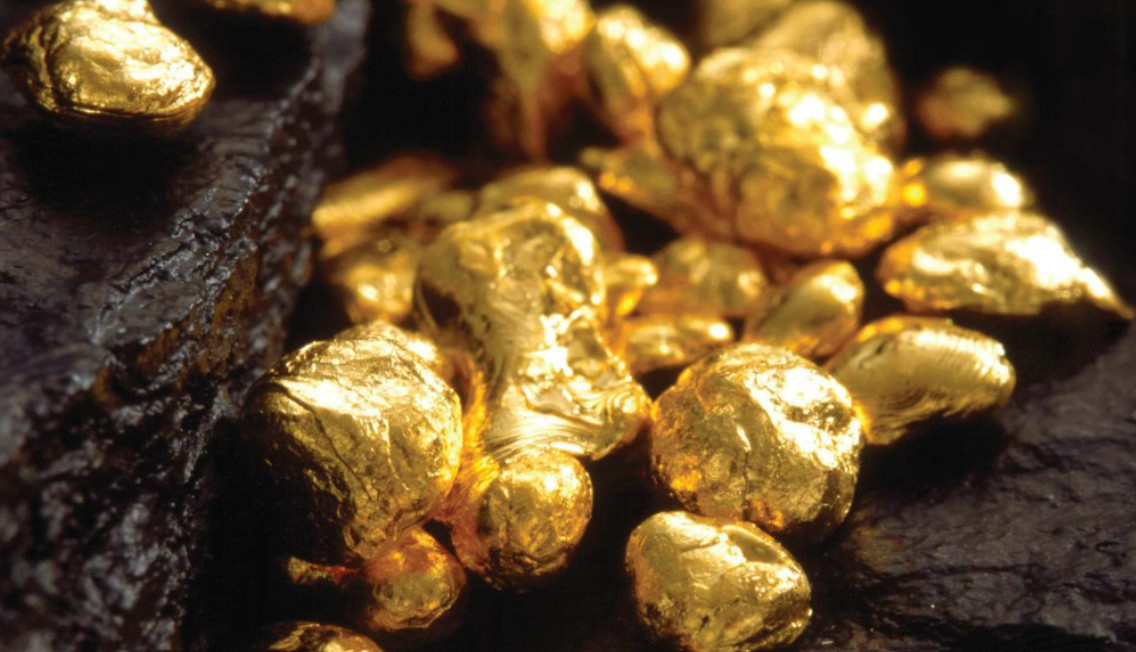
Under the new measures, the EU will prohibit the purchase, import or transfer of gold originating in Sudan, while also banning the sale, supply, transfer or export of mercury and cyanide, chemicals widely used in gold mining and extraction. The restrictions also extend to related technical assistance, brokering and financial services.
“Gold has become a key source of revenue sustaining the conflict in Sudan. By restricting trade in Sudanese gold and limiting access to chemicals used for gold mining and gold exploitation, the EU aims to reduce the resources available to those responsible for perpetuating the violence,” the council said in a statement.
According to the Council, the restrictions on mercury and cyanide will not apply to goods intended for humanitarian purposes, public health emergencies or disaster response.
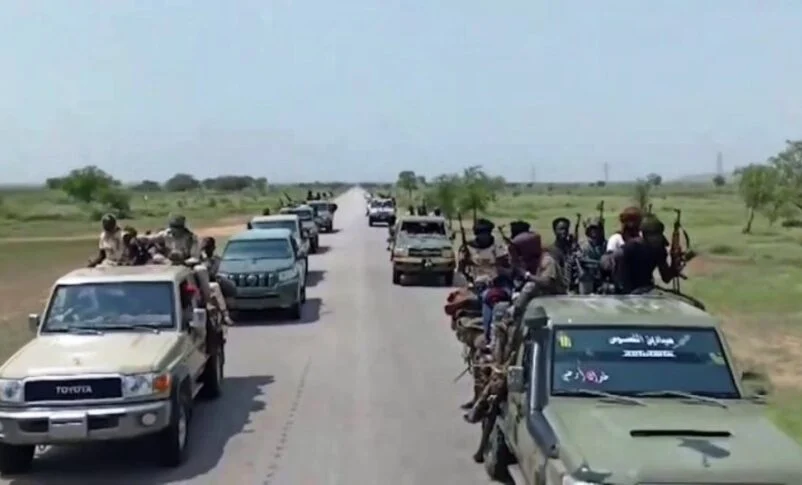
The latest measures form part of the bloc's response to a conflict that erupted on April 15, 2023, between Sudan's Armed Forces (SAF) and the paramilitary Rapid Support Forces (RSF). The sanctions build on a restrictive measures framework adopted in October 2023, which has since been expanded to target individuals and entities accused of undermining Sudan's stability and political transition.
The move also follows commitments made by the EU after the third International Conference on Sudan held in Berlin in April, when the bloc pledged to intensify pressure on those fuelling the conflict.
Sudan’s ongoing civil war has triggered one of the world’s worst humanitarian crises, with the conflict estimated to have killed at least 59,000 people and forced more than 14 million others from their homes. It has similarly left 33.7 million people in need of humanitarian assistance, while severe restrictions on aid access have further deepened the suffering.

Comments

0
Loading comments...

Trending

Popular Stories This Week