Choosing a path for the future has never been easy, but for young people today, such rapid technological change as artificial intelligence (AI) is making it increasingly difficult to predict which skills will remain relevant in the years ahead.
Highlighting the importance of equipping young people with what is needed for employment, decent work and entrepreneurship, World Youth Skills Day, marked annually on July 15, raises an important question related to its 2026 theme, Skills for the Shared Future: how can young people prepare for labour market needs that will continue to evolve throughout their lives?
“I think young people today need to be more open-minded, more flexible, more adaptable,” said Francesca Fanelli, senior associate director of graduate career development at Columbia University.
Amid helping students and recent graduates navigate today’s competitive and rapidly changing job market, she spoke with UN News about some of the best ways to rise to the challenge.
Skills for an uncertain future
The World Economic Forum estimates that nearly 40 per cent of the skills workers rely on now could change or become outdated by 2030, making adaptability and lifelong learning more important than ever.
The answer is not to search for an “AI-proof” career, Fanelli said.
While some students are reconsidering their career choices and showing greater interest in skilled trades, which are widely viewed as less vulnerable to automation, she cautioned against basing decisions primarily on assumptions about which jobs will be least affected by AI and technological change.
Instead, she advises young people to focus on their interests and strengths while building a broad “toolkit” of transferable skills that can serve them across different roles throughout their careers.
Rather than committing themselves to a single career path, Fanelli encourages students to explore opportunities across different industries and remain open to new directions as the world of work continues to evolve.
With AI, ‘you’re still the problem solver’
While the future of work may be difficult to predict, Fanelli believes one thing is already clear: knowing how to use AI effectively is becoming a valuable workplace skill.
“AI literacy is a skill now that employers look for,” she says. “They want to make sure that people entering their office know how to use the tool.”
This includes knowing how to ask the right questions and write clear prompts while taking responsibility for fact-checking the information AI produces and deciding how to apply it.
“You have to use it as an assistant rather than as a problem solver,” Fanelli says. “You’re still the problem solver.”
Making AI work for you
For job seekers, AI can be useful throughout the application process. Fanelli recommends using it to analyse job descriptions, identify the skills employers are seeking, tailor application materials and prepare for interviews. The quality of the results largely depends on the quality of the instructions provided, she noted.
At the same time, she stressed that every application should reflect the candidate’s own experience and personality.
“Make sure it’s in your voice, that there are no phrases that you would never find yourself saying,” she advises.
Turning skills into a job
Yet, learning to use AI is only one part of preparing for the job market. For many students and recent graduates, the process itself can feel deeply uncertain and overwhelming.
“The whole process, I think, feels really overwhelming,” Fanelli says. “Students are just feeling overwhelmed by the process and discouraged before they even start.”
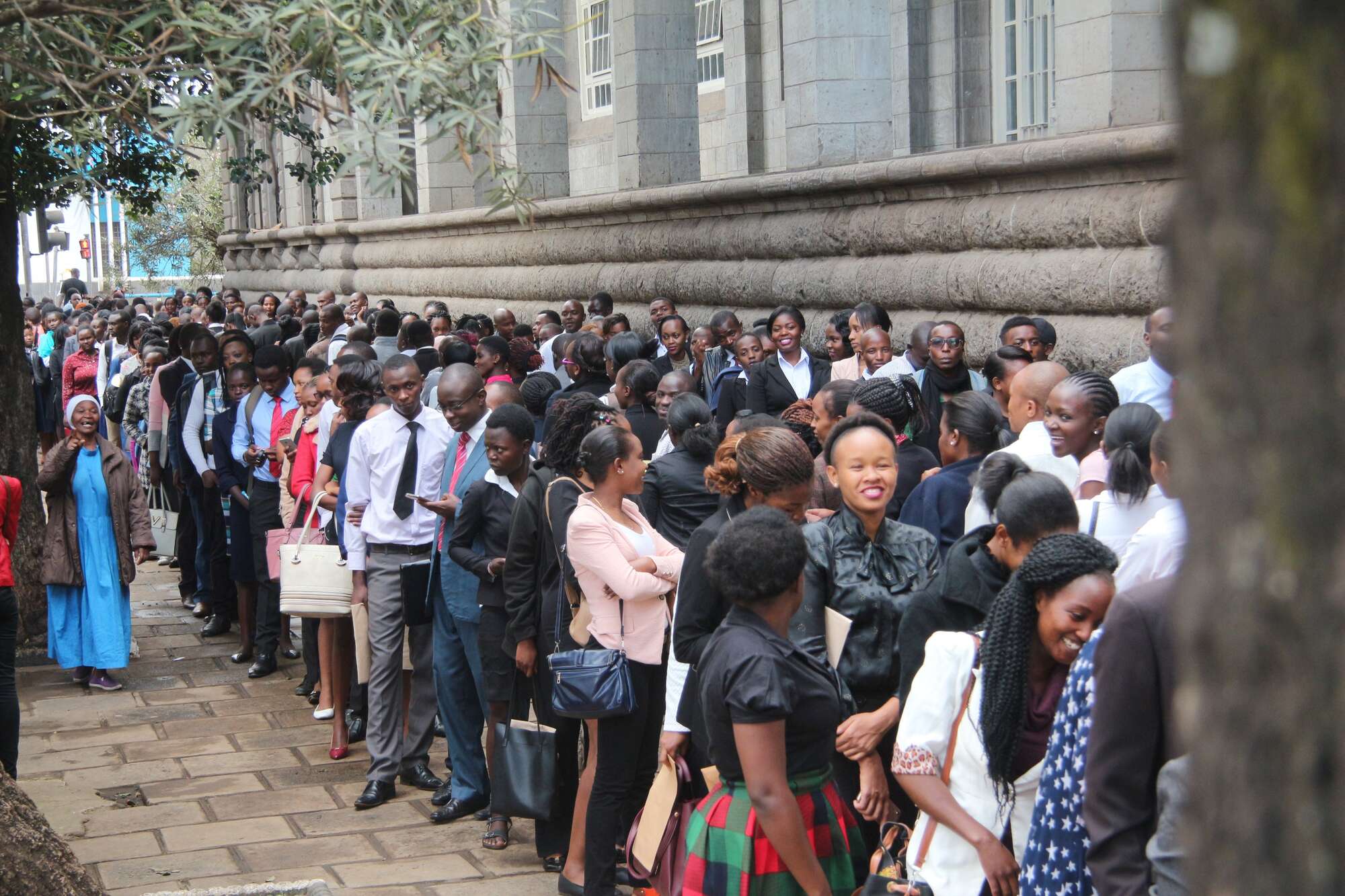
Pointing to data showing that it takes job seekers in the United States an average of 6.6 months to secure employment, she said sustaining a search over such a long period requires an effective strategy and the resilience to cope with rejection and self-doubt.
Many graduates also find themselves caught in what she described as a frustrating paradox. Despite having strong academic qualifications, they often worry that they lack practical experience, leaving them feeling “both overqualified and underqualified”.
Feeling unqualified does not necessarily mean that graduates lack the skills employers need. Fanelli said many underestimate the value of the abilities they have already developed during their studies.
“Every job posting, I still see collaboration, communication, teamwork. You’re most likely developing those skills in your education. You just have to think about how you can communicate those skills to an employer in a way that they’ll understand,” she said.
Beyond a dream job
As young people prepare for an uncertain future, Fanelli encourages them not to put too much pressure on themselves to find the “perfect” career.
“The dream job might not be exactly what you think it is,” she said.
Rather than searching for a role that fulfils every expectation, she advises young people to look for work that offers a sense of fulfilment in at least one respect, while recognising that purpose can come from many different parts of life.
Family, friendships, community and personal interests can all be sources of meaning, she said, and work does not have to provide everything.
“A job sometimes is just for financial stability, and that’s okay.”
Key takeaways
Nearly 40 per cent of skills workers rely on now could change or become outdated by 2030, but Francesca Fanelli, senior associate director of Columbia University, has some tips:
Do not search for an “AI-proof” career
Knowing how to use AI effectively is becoming a valuable workplace skill
Explore opportunities across different industries and remain open to new directions as the world of work continues to evolve
Focus on interests and strengths while building a broad “toolkit” of transferable skills










































Comments
Sign in with Google to comment, reply, and like comments.
Continue with Google