Members of Parliament have summoned the Public Service Commission (PSC) leadership to explain recruitment irregularities in government agencies after an audit revealed that some departments hired more officers than approved, while others faced shortages in key positions.
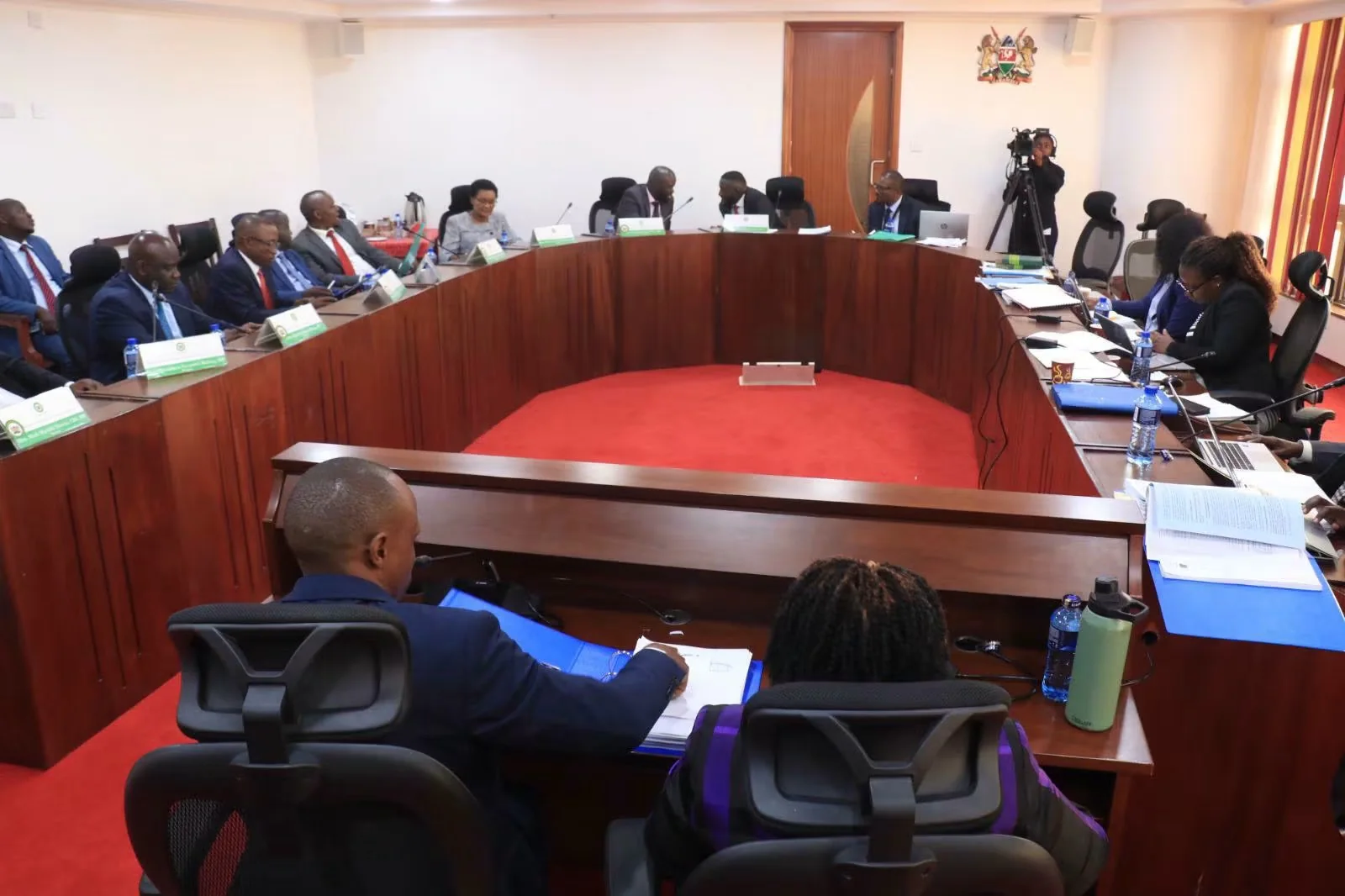
Appearing before the National Assembly Public Accounts Committee, Principal Secretaries Roseline Njogu (Diaspora Affairs) and Gitonga Mugambi (Forestry) faced questions over staffing concerns identified in their respective departments during the review of Auditor General reports for the 2023/2024 financial year.
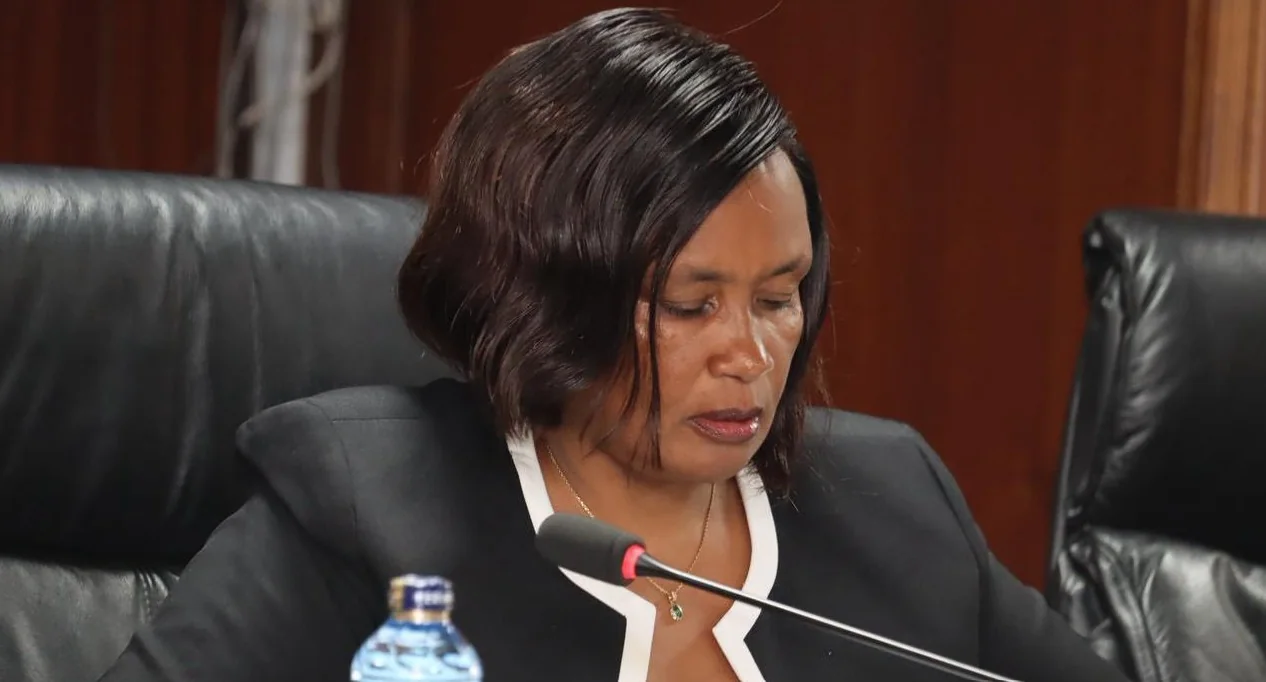
The committee, chaired by Butere MP Tindi Mwale, established that the State Department for Diaspora Affairs had recruited more officers than the approved establishment, while the State Department for Forestry had an imbalance between administrative and technical staff.
The Auditor General’s report showed that the State Department for Diaspora Affairs had advertised 16 vacancies for Foreign Service Officers III, but PSC appointed 22 officers.
The report also indicated that 28 Foreign Service Cadets were recruited beyond the approved staff establishment.
MPs questioned Njogu on why the department accepted the additional officers despite not having a budgetary allocation for the extra positions and why it did not reject the excess recruitment.
For the State Department for Forestry, the audit revealed that the department had 82 administrative support staff against an approved establishment of 45.
At the same time, only 11 technical officers were in place against an approved establishment of 86, leaving a shortage of 75 officers.
Njogu told the committee that recruitment is undertaken by the PSC, while Mugambi said the department was working with the Commission to redeploy excess staff and address shortages in critical areas.
Mwale directed the Diaspora Affairs Principal Secretary to submit the names of the 28 Foreign Service Cadets and details of salaries paid to them.
He said the committee would engage the PSC and the State Department for Public Service to establish the circumstances that led to the recruitment irregularities.
“This is a matter of grave concern to this watchdog committee, and we want to get to the bottom of it. Kenyans must get value for their money,” Mwale said.
The recruitment concerns emerged as a recent government audit exposed payroll irregularities that cost taxpayers an estimated Sh6.2 billion.
The audit, commissioned by the Public Service Ministry, found cases involving ghost workers, duplicate salary payments, shared bank accounts and weak payroll controls that allowed irregular payments to be made.
Public Service Cabinet Secretary Geoffrey Ruku said the findings showed deep weaknesses in the management of public sector payroll systems, with some employees receiving salaries despite inconsistencies in their records.
In an interview with Citizen TV on Tuesday, Ruku said the audit uncovered cases where some employment records showed individuals had been hired before they were born.
“There were issues of employees who were employed before they were born. Some civil servants were employed before the age of 18 years,” Ruku said.
The audit also identified payments made to individuals who had not reached the legal employment age of 18 years, raising concerns over the accuracy of personnel records held by government agencies.
Ruku said investigators found cases where several employees were linked to one bank account, while others received salaries despite lacking valid bank account details in government records.
“There are employees who are sharing bank accounts. Some employees do not have bank accounts in the system, but the records show they are receiving salaries,” Ruku said.
The audit further revealed cases where public servants received more than one salary from the government payroll within the same financial year.
The National Police Service was among the agencies affected, with investigators finding that Sh313.6 million was channelled through a single personal bank account in one financial year, although the identities of the final beneficiaries remained unclear.
The report also identified Sh20 million paid to employees whose bank account details could not be verified.
“There are employees without bank accounts, yet they have been paid salaries,” Ruku said.
The Department of Immigration was also flagged after the audit found unverified salary arrears that had remained unpaid for more than six months.
The audit showed that Sh31.5 million was paid without adequate supporting documents, while some employees received duplicate salaries and others were paid for periods they did not work.
“Why would the government accumulate salary arrears of over six months? Why?” Ruku posed.
Following the findings, the government said it was implementing measures to strengthen payroll controls and improve accountability in the public service.
The Public Service Ministry has directed ministries, departments, agencies and state corporations to migrate to the improved Integrated Human Resource and Payroll System.
The system is expected to create a single database for all public servants, identify ghost workers, prevent duplicate payments, improve employee verification and seal loopholes that have allowed payroll irregularities.
The government said the clean-up exercise will continue as part of efforts to promote transparency, accountability and responsible use of public resources.









































Comments
Sign in with Google to comment, reply, and like comments.
Continue with Google