The National Treasury has appointed six members to the National Infrastructure Fund Board as the government moves to operationalise the newly established fund, expected to finance strategic infrastructure projects across the country.
The appointments were made by Treasury Cabinet Secretary John Mbadi through a Special Gazette Notice dated July 8, 2026, with the six members set to serve a three-year term.
Those appointed under Section 13(1) of the National Infrastructure Fund Act, 2026, are James Mworia Mwirigi, Fahima Ali Ahmed Zein, Christopher Kibui Maranga, Latoya Ouna, Lawrence Kibet and Mohammed Abdirahman Hassan.
The Gazette Notice stated that the appointments were made using powers granted to the Cabinet Secretary under the law establishing the fund.
“In exercise of the powers conferred by section 13 (1) of the National Infrastructure Fund Act, 2026, the Cabinet Secretary for the National Treasury appoints them to the board,” read part of the gazette notice.
The board will be responsible for providing direction and oversight of the fund’s operations, including identifying, financing and monitoring eligible infrastructure projects.
The National Infrastructure Fund was established under the National Infrastructure Fund Act, 2025, to mobilise and manage financing for commercially viable infrastructure projects while reducing the government’s reliance on borrowing and taxation to fund major developments.
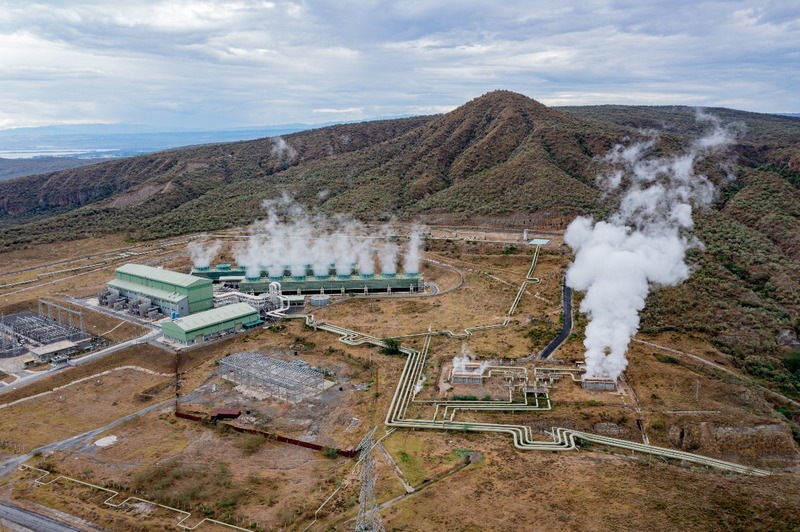
The fund is expected to mobilise nearly Sh5 trillion over the next decade to support projects such as highways, railways, ports, agribusiness infrastructure and energy systems.
Unlike previous government borrowing models, the fund will use an investment-led approach involving both public- and private-sector participation. Its financing will come from government allocations, private investment, privatisation proceeds, grants and loans.
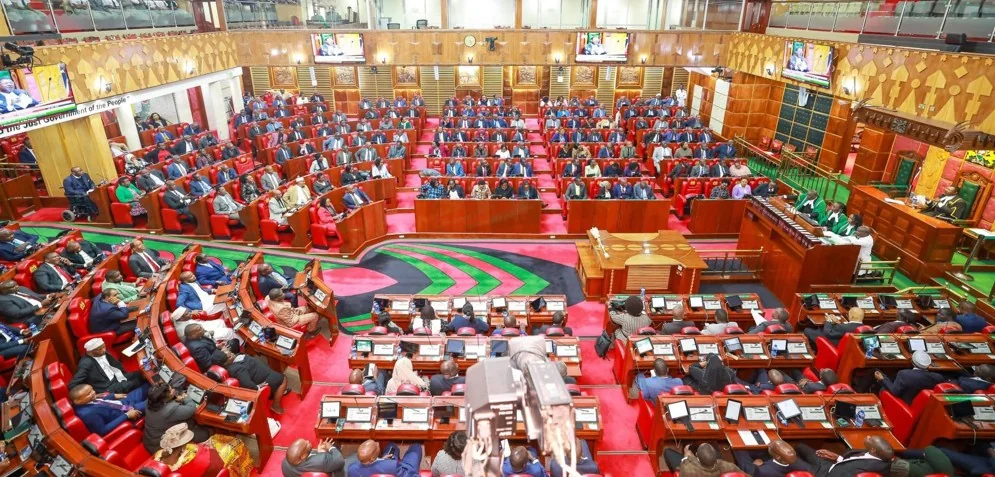
The National Assembly approved the National Infrastructure Fund legislation on March 6 after extensive debate and amendments aimed at strengthening oversight and governance.
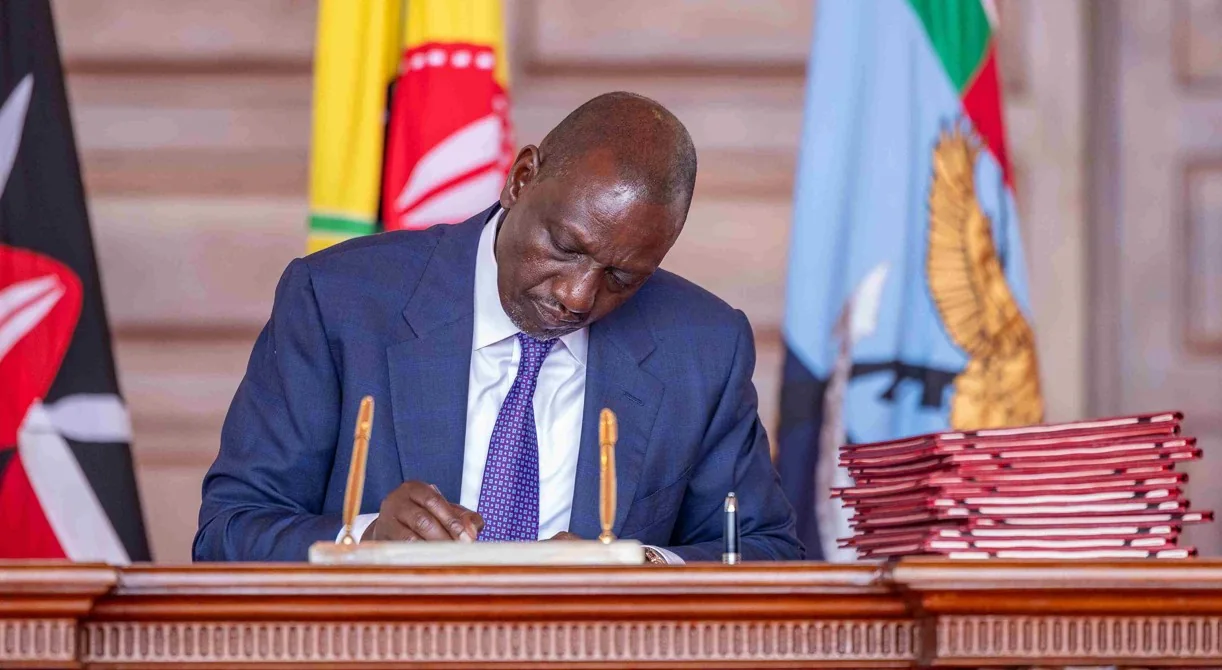
Speaking during the signing ceremony, President William Ruto said the legislation marked a historic turning point in Kenya’s development journey, noting that the Kenya Pipeline IPO would be the first fund to be utilised by the Fund.
In April, President Ruto appointed a Governing Council to oversee the newly established fund and named Treasury Cabinet Secretary John Mbadi as chairperson of the council tasked with guiding the country towards investment-led infrastructure financing.
The council was constituted after the enactment of the National Infrastructure Fund Act, 2026, which was designed to mobilise private capital and reduce reliance on debt for major development projects.
Statutory members of the council include Central Bank of Kenya Governor Kamau Thugge and Attorney General Dorcas Oduor.
Independent members appointed by the President include Benedict Oramah, former president of the African Export-Import Bank, Kenya Pipeline Company chairperson Faith Boinett, KCB Group Chief Executive Officer Paul Russo and Liberty Holdings Limited Chairperson Richard Etemesi.
The appointments were published in the Kenya Gazette as Notice No. 4796 of 2026, allowing the council to begin operationalising the fund.
The newly appointed board will also oversee the management and administration of the fund, including the recruitment of a Chief Executive Officer to lead its implementation and daily operations.
The government expects the fund to attract private investment into key infrastructure projects through commercially sustainable financing models. Projects identified under the framework include the expansion of the Jomo Kenyatta International Airport.













































Comments
Sign in with Google to comment, reply, and like comments.
Continue with Google