Kenya has been ranked among East Africa’s relatively stable countries in the latest Global Peace Index, overtaking other regional states such as Tanzania, Uganda, Ethiopia, Somalia and South Sudan, even as the region continues to face rising insecurity and cross-border threats.
According to the newly released Global Peace Index 2026, Kenya is ranked 132 out of 163 countries globally, reflecting a slight improvement from previous years.
The report also shows Tanzania fell sharply, dropping 20 places to 98, one of the steepest declines globally over the past year.
For Kenya, the findings offer a rare positive signal amid concerns over the cost of living, youth unemployment and political tensions, although the report warns against complacency.
“The world became less peaceful for the 15th time in the last 18 years,” reads the report, adding that 99 countries deteriorated while only 62 improved.
Kenya’s peace score improved slightly, helping it rank above Uganda at 130, Ethiopia at 138, Somalia at 153 and South Sudan at 158, placing it among better-performing states in a region facing conflict pressure.
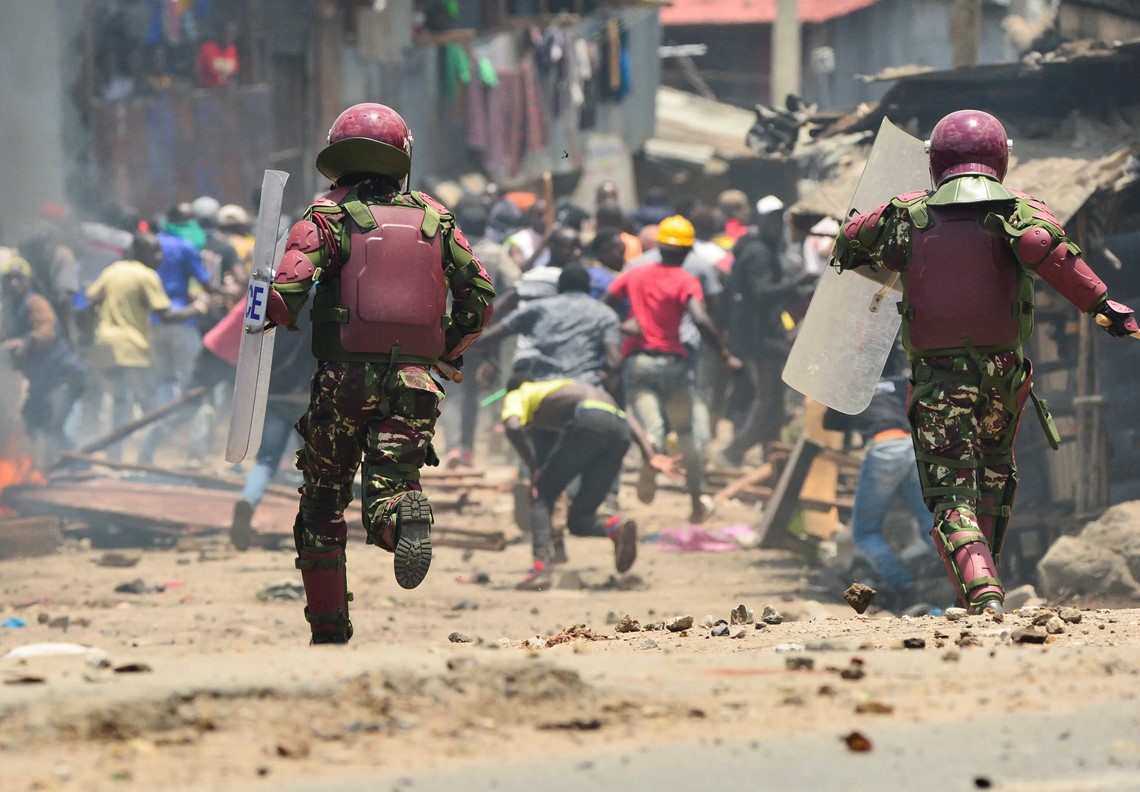
However, Tanzania’s drop was linked mainly to worsening internal conflict and safety conditions. The report highlights that the deterioration was driven by a sharp rise in internal conflict deaths and increased instability following disputed elections and protests.
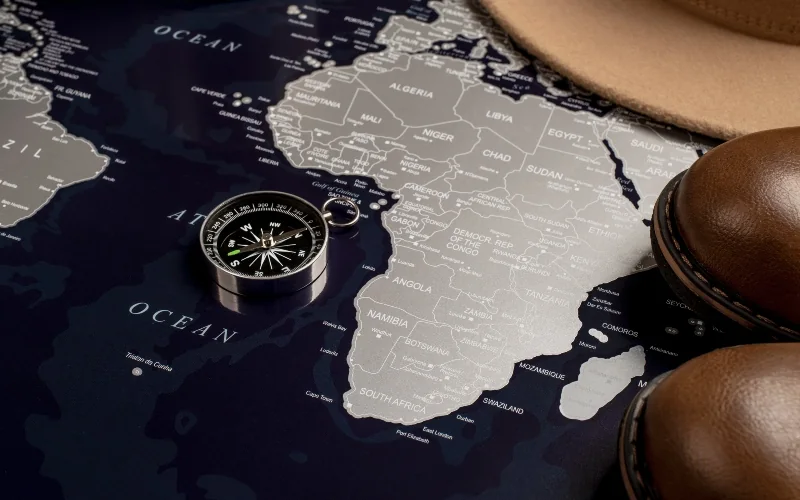
The report also paints East Africa and the wider Horn of Africa as deeply connected by overlapping conflicts.
“The Horn of Africa is no longer a set of separate conflicts. The conflicts in Sudan, Ethiopia, Eritrea, South Sudan and Somalia are now interlocked through every channel that causes conflicts to spread,” reads the report.
Sub-Saharan Africa overall recorded a slight decline in peace, making it the third least peaceful region globally. Of 44 countries, 23 improved while 21 deteriorated, driven mainly by ongoing conflict pressures.
Mauritius remained the most peaceful country in the region, ranking 18 globally, while the Democratic Republic of the Congo remained the least peaceful at 161, despite small improvements in some areas. Lesotho and Gabon recorded strong gains, while the Republic of the Congo and Tanzania posted major declines.
The report links Africa’s long-term decline in peace to rising violent conflict, especially in the Sahel region, and increasing terrorism.
Globally, violent conflict deaths reached about 181,000 in 2025, the highest level recorded in the index. The deaths from internal conflict indicator recorded its worst deterioration since the index began.
The report notes that conflict is becoming more international, with 103 countries involved in external conflicts in the past five years, up from 59 in 2008.
It also cites rising global military spending, now at about 2.9 trillion US dollars, alongside increasing forced displacement, which remains above 117 million people worldwide.
“The world is becoming less peaceful for the 12th consecutive year,” the index said, pointing to worsening political stability and growing military competition.
Despite the trend, some areas improved, including lower terrorism deaths and better UN peacekeeping funding.
Kenya’s position reflects relatively stronger institutions, a diversified economy and continued regional diplomacy, including mediation efforts in Sudan and South Sudan and security cooperation in Somalia.
However, the report warns that Kenya remains exposed to regional shocks, including refugee flows, terrorism risks, cross-border crime and disruptions from conflicts in Sudan, Somalia and the Red Sea region.
While Kenya’s ranking shows progress, the Global Peace Index stresses that long-term stability will depend on both internal governance and developments across the wider region.







































Comments
Sign in with Google to comment, reply, and like comments.
Continue with Google