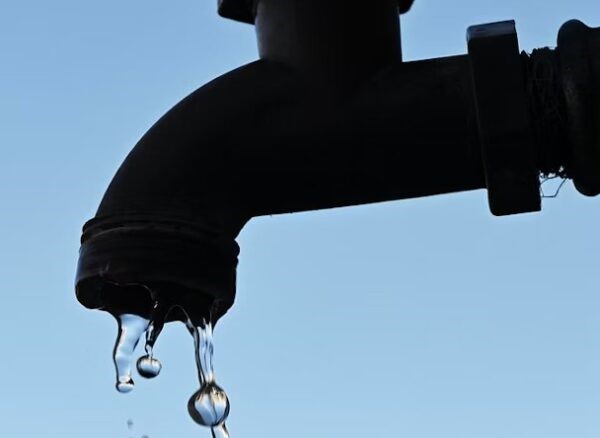
Kenya loses about 242 million cubic metres of water every year, translating to financial losses of Sh13.7 billion, a new report shows.
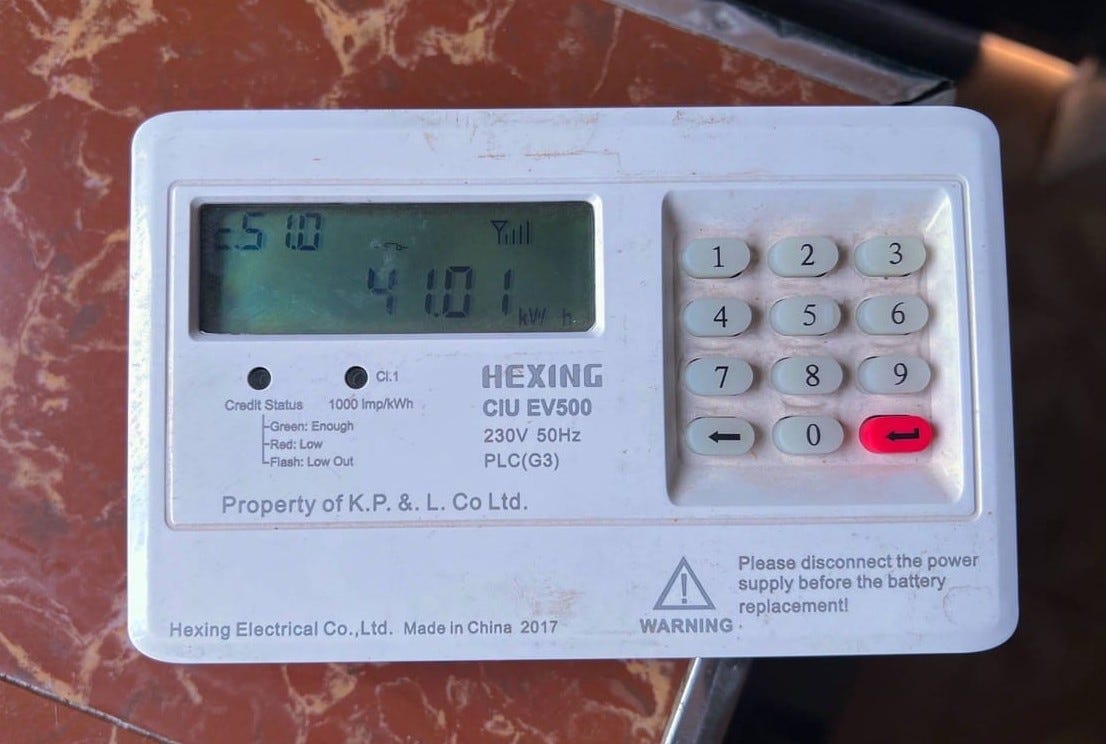
According to the Water Services Regulatory Board (Wasreb) Impact 18 Report, nearly half of all water produced fails to generate income due to leakages, theft, faulty meters and inefficiencies.
The report shows that non-revenue water increased from 44 per cent to 48 per cent during the 2024/25 financial year, meaning a large portion of water produced by utilities does not reach paying customers or is not billed.
“Non-revenue water increased from 44 per cent to 48 per cent. The sector recorded financial losses of approximately Sh13.7 billion after accounting for the acceptable non-revenue water threshold of 25 per cent,” reads the report.
The rise in water losses comes despite improvements in several areas of the sector, including water production, coverage, quality and financial performance.
According to the report, water production increased by nine per cent from 461 million cubic metres to 504 million cubic metres during the review period. Sector turnover also grew by 14 per cent from Sh28.8 billion to Sh32.8 billion.
Water coverage improved from 70 per cent to 72 per cent, allowing an additional 1.26 million people to access piped water services.
The population served by regulated utilities increased from 21.5 million to 22.8 million people, representing a six per cent growth.
However, the number of active water connections recorded only a one per cent increase, rising from 1.85 million to 1.87 million.
“The gap between these two growth rates suggests significant reliance on shared or communal connections, which has implications for service equity,” the report notes.
Wasreb said the increase in access through shared or communal connections raises concerns over whether investments in the sector are translating into direct household access, especially in informal settlements and underserved communities.
The report also shows that drinking water quality improved during the period under review, with the national average rising from 89 per cent to 96 per cent due to better compliance with water safety standards by utilities.
Average hours of water supply increased from 17 hours to 18 hours per day.
Despite the improvement in supply, water consumption remained below the recommended level, with the average consumer receiving 26.68 litres per day compared to the recommended minimum standard of 50 litres per person daily.
The sanitation sector also recorded progress, with overall sanitation coverage increasing from 92 per cent to 93 per cent.
The population served through sewer systems rose from 15 per cent to 16 per cent, with an additional 240,701 people gaining access to sewerage services during the period.
However, Wasreb cautioned that only 58 per cent of sanitation services in the country are safely managed, highlighting continued challenges in waste treatment and disposal.
On financial sustainability, water utilities recorded improvement, with cost coverage increasing from 98 per cent to 103 per cent.
The regulator said the growth means utilities are increasingly able to generate enough revenue to meet operational costs and reduce dependence on external support.
Despite the gains, Wasreb identified non-revenue water as one of the biggest challenges affecting the sustainability of the water sector.
The report notes that reducing water losses could help expand access, improve utility revenues and ease shortages without requiring major increases in water production.





























Comments
Sign in with Google to comment, reply, and like comments.
Continue with Google