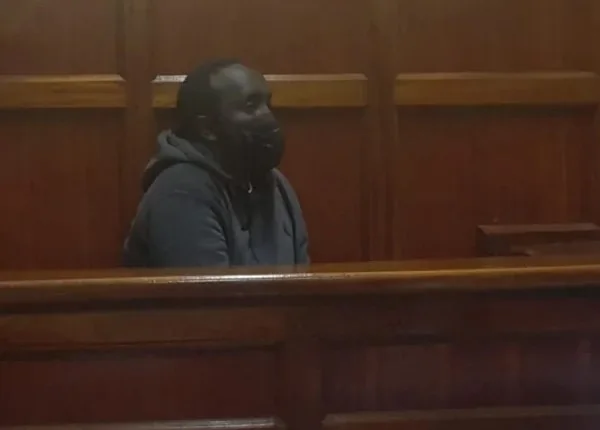
The ongoing trial into the Shakahola and Kwa Binzaro deaths took a significant turn after prosecution witnesses identified controversial preacher Paul Mackenzie and seven co-accused as key figures in the events that allegedly led to the two tragedies.
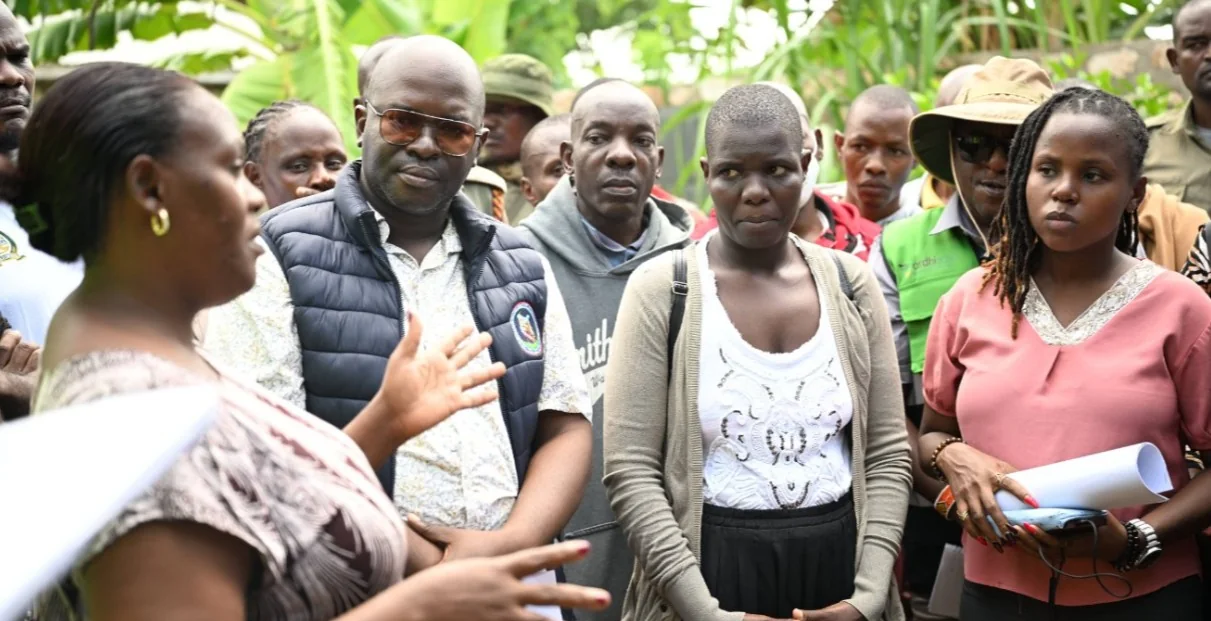
During a rare judicial inspection of sites within Shakahola Forest, protected witnesses guided the court through locations believed to have played a central role in the alleged cult activities.
The inspection was conducted in the presence of Mombasa High Court Judge Wendy Kagendo.
Witnesses told the court that several of the accused, including Mackenzie, lived in settlements known as Bethlehem, Galilea and Judea within the forest.
Under cross-examination by prosecutors and defence lawyers, one witness said he had personally seen Mackenzie living in the area.
The same witness testified that although he had been told another accused, Shirleen Atemba, lived there with her husband, he had never visited their home. He explained that residents frequently interacted while fetching water and drilling boreholes.
A protected witness identified only as JO testified that Mackenzie and fellow accused Shirleen Anindo presided over a major end-times meeting attended by hundreds of followers of the Good News International Church in January 2023.
According to the witness, those in attendance were prepared for an extended fasting programme immediately after the gathering.
The witness also identified all eight accused persons before the court and described Anindo as one of the movement's most influential leaders. He said she regularly addressed large gatherings and played an active role in influencing followers. The court heard that she later relocated to Kwa Binzaro after surviving the Shakahola incident.
The judicial team also visited homes allegedly occupied by Mackenzie and co-accused James Kahindi. Testimony presented in court indicated that Kahindi lived there with his wife, who is also among the accused, their five children and a nephew.
Investigators told the court the nephew is believed to have been the first victim to die in Shakahola. They further revealed that Kahindi's five children remain unaccounted for and are suspected to have died during the tragedy.
Another witness testified that the nephew's death had been reported at Lango Baya Police Station and that a burial permit was subsequently issued by the local administration.
When questioned by the judge about the condition of the body, the witness stated that it appeared severely emaciated but said he was not medically qualified to determine the cause of death.
The prosecution also raised concerns over the state of Lango Baya Police Station, arguing that the facility remains inadequately equipped despite serving an area spanning about 1,500 hectares across five locations, including Shakahola, where one of Kenya's deadliest cult-linked tragedies unfolded.
Investigators further disclosed that children made up a significant proportion of the victims recovered from the forest. The court heard that the case involves the deaths of approximately 190 children.
Further testimony suggested that some of the accused continued influencing followers even after authorities intervened to halt the deaths in Shakahola.
One witness alleged that Mackenzie, despite being in custody, used a mobile phone to communicate with followers and persuade them to relocate to Kwa Binzaro alongside other accused persons, including Kahindi and Anne.
The hearing continues.




















Comments
Sign in with Google to comment, reply, and like comments.
Continue with Google