A Kenyan researcher has secured a $1.45 million (Sh187.6 million) grant from the Gates Foundation to develop an artificial intelligence (AI) system that uses wastewater and clinical data to detect disease outbreaks and antimicrobial resistance earlier than conventional public health surveillance systems.
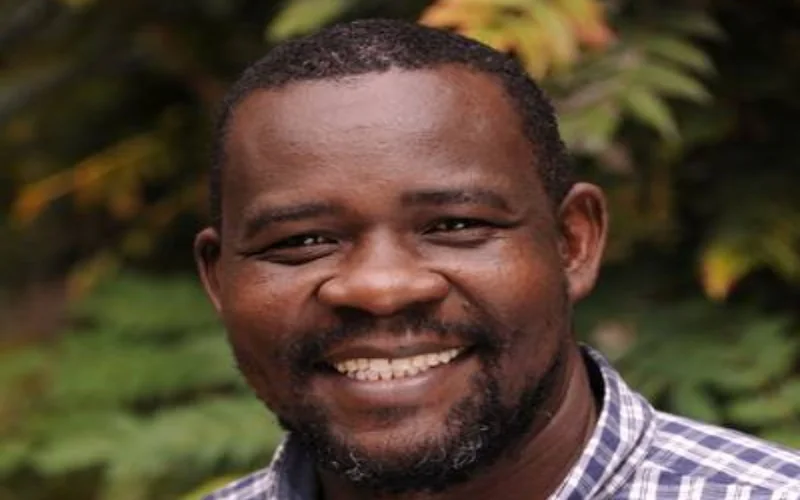
The project, titled "Deploying AI Innovation for Bioinformatics and Genomic Epidemiology", will be led by researcher Samuel Oyola, a senior scientist at the International Livestock Research Institute (ILRI) in Nairobi.
“The initiative leverages a large longitudinal dataset generated from high-frequency wastewater sampling and metagenomic sequencing across 30 urban catchments,” ILRI said in a statement
“By integrating environmental genomic data with clinical infectious disease and AMR datasets, the project aims to develop predictive AI-driven models capable of identifying outbreak signals and emerging antimicrobial resistance trends earlier than conventional surveillance systems.”
According to Oyola, the project aims to turn complex genomic data into actionable intelligence for public health decision-making across Africa and other low and middle-income countries, enabling faster responses to outbreaks and antimicrobial resistance threats.
“This work brings together wastewater surveillance, genomics, epidemiology, artificial intelligence, and public health to create practical early-warning systems capable of detecting disease threats and antimicrobial resistance in near real time,” he said.
The project aligns with global efforts to strengthen pandemic preparedness and improve disease surveillance systems, particularly in low- and middle-income countries where early detection capacity is often limited.
It will be delivered in collaboration with the University of Oxford, the Technical University of Denmark and the Global Pathogen Analysis Platform (GPAP). Together, the partners will develop advanced analytical tools, including machine learning and interpretable AI systems, to support public health decision-making.
In addition to building predictive models and surveillance tools, the programme will similarly support two PhD researchers and a postdoctoral fellow, focusing on genomic epidemiology, modelling, and AI-driven health analytics.
“The candidates will be based at ILRI Nairobi and will work closely with international collaborators,” ILRI said.









































Comments
Sign in with Google to comment, reply, and like comments.
Continue with Google