Zoonotic diseases remain among the world's greatest public health threats. According to the World Health Organisation (WHO), about 60 per cent of all known infectious diseases and 75 per cent of emerging infectious diseases in humans originate from animals.
Together, these diseases cause an estimated 2.5 billion illnesses and 2.7 million deaths each year, making them a leading cause of illness and death globally.
Zoonotic diseases are caused by viruses, bacteria, parasites, or fungi that naturally spread between animals and humans. Some are transmitted directly through bites, scratches, or contact with the blood, saliva, urine, or other body fluids of infected animals. Others spread through contaminated food or water, insect bites, or contact with contaminated environments.
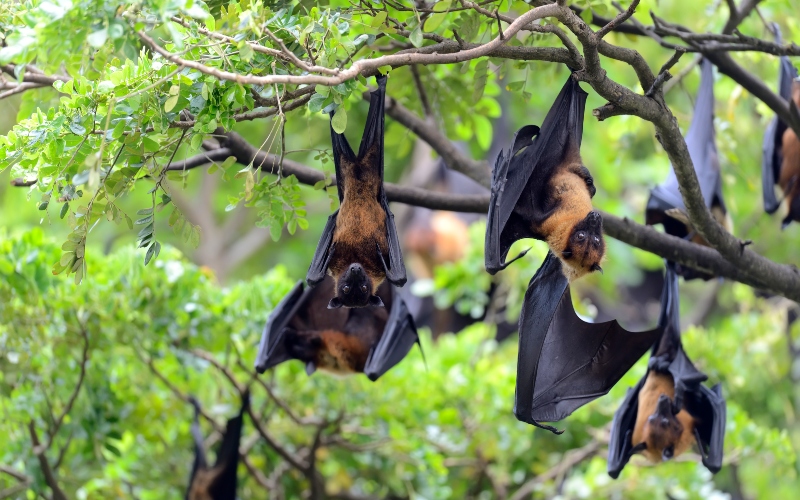
Many wild and domestic animals can carry disease-causing germs without showing signs of illness. Bats, rodents, monkeys, birds, dogs, cattle, sheep, goats, pigs, and other animals can all act as reservoirs for infections that may spill over to humans.
Once a disease crosses from animals to people, some infections can also spread from person to person, increasing the risk of widespread outbreaks.
Among the most dangerous zoonotic diseases are Ebola virus disease, Marburg virus disease, rabies, avian influenza (bird flu), mpox, Rift Valley fever, anthrax, plague, brucellosis, and leptospirosis.
Rabies is one of the deadliest zoonotic diseases because it is almost always fatal once symptoms develop. It kills an estimated 59,000 people every year, with most deaths occurring in Africa and Asia. Nearly all human infections result from bites by infected dogs, even though the disease is preventable through vaccination.
Ebola virus disease has caused repeated outbreaks across Africa, with mortality rates ranging from 25 to 90 per cent, depending on the outbreak and virus strain.
The disease is believed to originate in fruit bats before spreading to humans through contact with infected wildlife. It can then spread rapidly from person to person through contact with infected body fluids.
Marburg virus disease, another severe viral haemorrhagic fever linked to fruit bats, has also caused deadly outbreaks in several African countries. Although less common than Ebola, it has recorded fatality rates of up to 88 per cent during some outbreaks.
Avian influenza, commonly known as bird flu, primarily affects poultry and wild birds but can occasionally infect people who come into close contact with infected birds. Some strains have caused severe illness and deaths in humans, raising concerns about their pandemic potential.
Mpox, formerly known as monkeypox, is another zoonotic viral disease that spreads through contact with infected animals or infected people. Recent outbreaks have demonstrated how quickly the disease can spread beyond regions where it was previously confined.
Other zoonotic diseases, including Rift Valley fever, anthrax, plague, brucellosis, and leptospirosis, continue to affect both humans and animals, particularly in regions where livestock farming and close contact with wildlife are common.
Health experts warn that zoonotic diseases are becoming more frequent due to several global changes.
Climate change is altering the habitats of animals and disease-carrying insects, allowing mosquitoes, ticks, and other vectors to expand into new regions.
At the same time, deforestation, rapid urbanisation, agricultural expansion, mining, and the destruction of wildlife habitats are increasing contact between people and wildlife, creating more opportunities for viruses and other pathogens to jump between species.
Global travel and trade have also made it easier for infectious diseases to spread across borders within days. Meanwhile, illegal wildlife trade and poorly regulated live animal markets continue to increase the risk of new outbreaks.
Certain groups face a higher risk of infection, including farmers, veterinarians, slaughterhouse workers, wildlife handlers, hunters, healthcare workers, and people living near forests or livestock. Children, older adults, pregnant women, and people with weakened immune systems are also more likely to develop severe illness.
Preventing zoonotic diseases requires close cooperation between communities, governments, veterinarians, environmental experts, and healthcare workers.
Experts recommend vaccinating pets against diseases such as rabies, practising good hand hygiene after handling animals, thoroughly cooking meat, drinking safe water, avoiding contact with sick or dead animals, controlling insects such as mosquitoes and ticks, and reporting unusual illnesses or deaths in animals.
The WHO also promotes the One Health approach, which recognises that the health of people, animals, and the environment is closely interconnected. The approach encourages collaboration between the human health, animal health, and environmental sectors to detect outbreaks early, strengthen disease surveillance, improve vaccination programmes, and respond quickly before diseases spread widely.
As the world marks World Zoonoses Day, health experts are reminding governments and communities that preventing the next epidemic or pandemic begins with protecting animal health, preserving ecosystems, strengthening public health systems, and raising awareness about diseases that spread from animals to humans. Early detection, rapid response, and collaboration across sectors remain the most effective tools for reducing the impact of zoonotic diseases and safeguarding global health.



















































Comments
Sign in with Google to comment, reply, and like comments.
Continue with Google