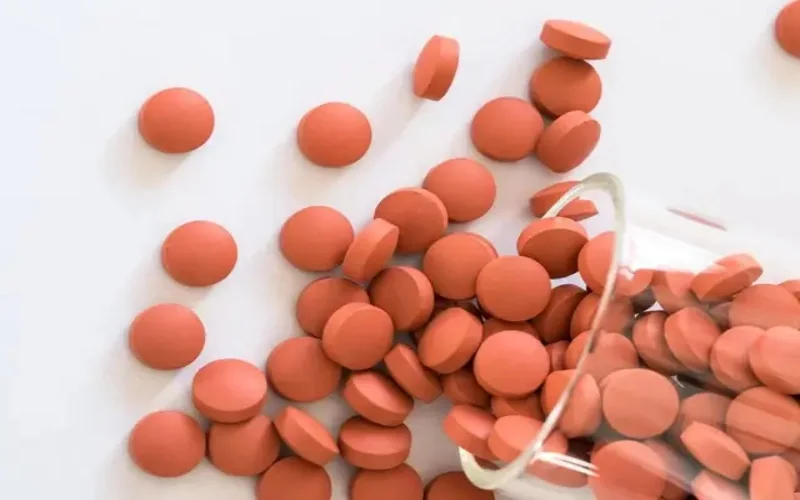
Ibuprofen may be a more effective option than paracetamol for many women experiencing period cramps, experts say, after a large study analysing a decade of purchasing data found that paracetamol was the most commonly bought painkiller.
While paracetamol remains effective for general pain relief, experts note that ibuprofen may work better for period pain because it blocks the production of prostaglandin chemicals that trigger the cramping contractions of muscles in the womb.
Period cramps are pains that many women feel in the lower abdomen during menstruation. They occur when the muscles of the uterus tighten and relax to help shed its lining. These contractions are triggered by natural chemicals in the body called prostaglandins.
Period cramps can feel like dull aches or severe, sharp pains, and in some cases, they can spread to the lower back or thighs. For some people, the pain is mild, but for others it can be severe enough to interfere with daily activities like working, studying, or sleeping.
This is because ibuprofen not only relieves pain but also reduces inflammation and lowers the production of prostaglandins, chemicals responsible for triggering the cramping contractions of the uterus during menstruation.
The findings, published in the journal PLoS Digital Health, cover the purchasing habits of millions of shoppers. Around half of all menstrual product purchases were accompanied by a pain relief product. Of those painkillers, roughly two‑thirds were paracetamol‑based, while only about one‑third were ibuprofen‑based.
Experts say these findings highlight both the widespread nature of period pain and possible gaps in public understanding of how best to manage it. One researcher involved in the study noted that “paracetamol is perhaps more familiar to people, which might explain why it was bought more often.” This suggests that familiarity, rather than effectiveness, may be influencing how many women choose their pain relief during menstruation.
While paracetamol remains a widely used and effective general painkiller, experts explain that its action is mainly focused on the brain, where it blocks pain signals and helps reduce fever. It does not address inflammation in the same way as ibuprofen, which is a non‑steroidal anti‑inflammatory drug. Because menstrual cramps are largely caused by inflammation and muscle contractions in the womb, ibuprofen is considered more directly targeted for this type of pain.
Another expert involved in the research explained, “Ibuprofen can be a better choice for period pain because it blocks the production of prostaglandins, the chemicals responsible for the cramping contractions of muscles in the womb.”
The researchers also found that the study provides a rare real‑world snapshot of how period pain is managed, an area they say has not been studied extensively before. By analysing purchasing behaviour rather than clinical reports, they were able to gain insight into how people actually treat menstrual pain in everyday life.
However, they cautioned that the data may not be fully representative of the entire population, as it reflects only one retail chain and does not capture all possible sources of medication.
Despite this limitation, the findings suggest a need for greater public awareness about the most effective ways to manage period pain. Experts say many people may not be fully informed about how different painkillers work and which are most suitable for menstrual cramps. This lack of awareness could mean that some women are not getting the most effective relief during their periods.
Experts further emphasise that while ibuprofen is generally effective for many people, it is not suitable for everyone. Like all medications, it can cause side effects and should be taken according to medical guidance. Individuals with certain health conditions or sensitivities are advised to consult a healthcare professional before using it regularly.
Globally, most women who menstruate experience period cramps at some point in their lives, but the severity varies widely. For some, the pain can be severe enough to interfere with work, school, and everyday activities. In such cases, health professionals recommend seeking medical advice, as intense period pain can sometimes be a sign of underlying conditions such as endometriosis or fibroids.
Research estimates that around 50 to 90 per cent of women of reproductive age experience menstrual cramps. Among them, about 10 to 20 per cent experience severe pain that can interfere with daily activities such as work, school, or sleep.




















































Comments
Sign in with Google to comment, reply, and like comments.
Continue with Google