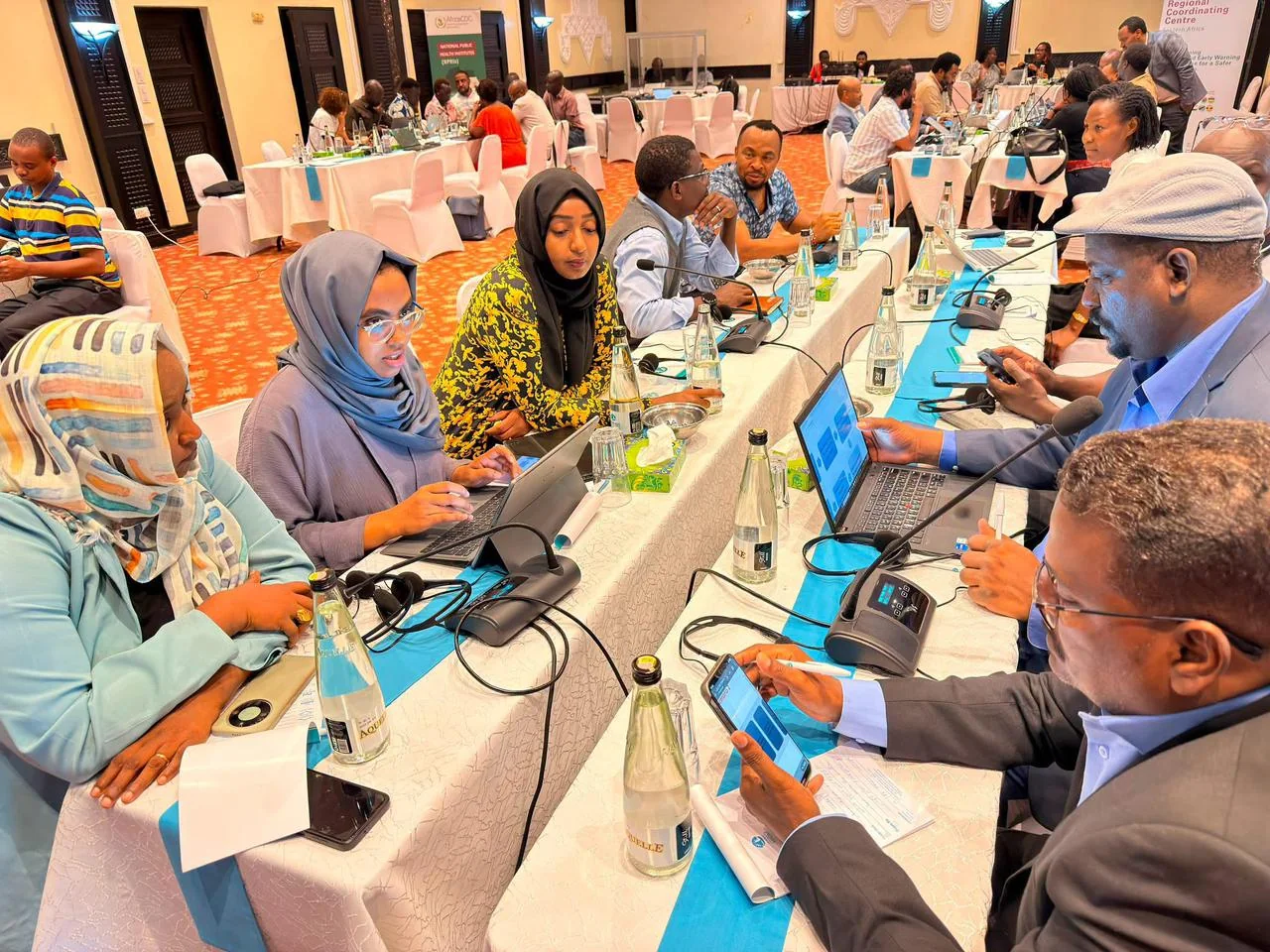
Eastern African countries have intensified efforts to strengthen preparedness for cross-border disease outbreaks following a four-day regional emergency response workshop and simulation exercise held in Mombasa by the Africa Centres for Disease Control and Prevention (Africa CDC).
The exercise brought together public health experts and emergency response officials from Kenya, Ethiopia, South Sudan, Sudan, Djibouti and Zanzibar, alongside representatives from regional organisations and international health partners, to improve coordination during public health emergencies.
The workshop comes as Uganda continues to respond to an outbreak of Bundibugyo Virus Disease (BVD), prompting renewed calls for stronger regional surveillance and cooperation to prevent the disease from spreading across borders.
According to Africa CDC, participants assessed the region's ability to detect, report and respond to disease outbreaks through a simulation that tested emergency coordination, information sharing and operational readiness during the critical first 72 hours after an outbreak is confirmed.
The exercise also focused on improving integrated disease surveillance systems, strengthening data interoperability and enhancing collaboration among neighbouring countries that face similar public health risks due to frequent cross-border movement.
"The ongoing Bundibugyo Virus Disease outbreak underscores the need for stronger surveillance, cross-border collaboration and emergency preparedness across Eastern Africa," Africa CDC said in a statement.
The Mombasa workshop forms part of wider continental efforts to reinforce Africa's capacity to respond to infectious disease outbreaks.
Last month, Africa CDC and the World Health Organisation Regional Office for Africa launched the Joint Continental Incident Management Support Team (IMST) in Kampala, Uganda, to provide technical support for Uganda's outbreak response while strengthening preparedness in neighbouring countries, including the Democratic Republic of the Congo.
Speaking during the launch of the continental response platform, Africa CDC Director General Dr Jean Kaseya, through the agency's Director of the Centre for Public Health Emergencies Management, Dr Tolbert Nyenswah, said the initiative reflects Africa's commitment to leading its own emergency response mechanisms.
"The Continental IMST represents Africa's commitment to stronger institutions, coordinated action and country-led emergency response," Nyenswah said.
Uganda's Minister of Health, Dr Chris Baryomunsi, said hosting the continental platform demonstrates the value of regional cooperation in tackling public health threats.
"Uganda is proud to host the Continental IMST as a demonstration of what countries, regional institutions and partners can achieve by working together. This platform strengthens our response to the current Bundibugyo Virus Disease outbreak while reinforcing preparedness for future public health emergencies," he said.
Bundibugyo Virus Disease is caused by the Bundibugyo ebolavirus, one of the viruses responsible for Ebola virus disease.
The infection spreads through direct contact with infected bodily fluids or contaminated materials, making rapid detection, contact tracing and coordinated public health measures essential to limiting transmission.
Health experts say the increasing movement of people and goods across East Africa has heightened the need for harmonised surveillance systems, timely exchange of health information and joint emergency response plans to minimise the risk of future epidemics.
The Mombasa meeting concluded with participating countries reaffirming their commitment to strengthening regional cooperation and building resilient health systems capable of responding swiftly to emerging public health threats.






































Comments
Sign in with Google to comment, reply, and like comments.
Continue with Google