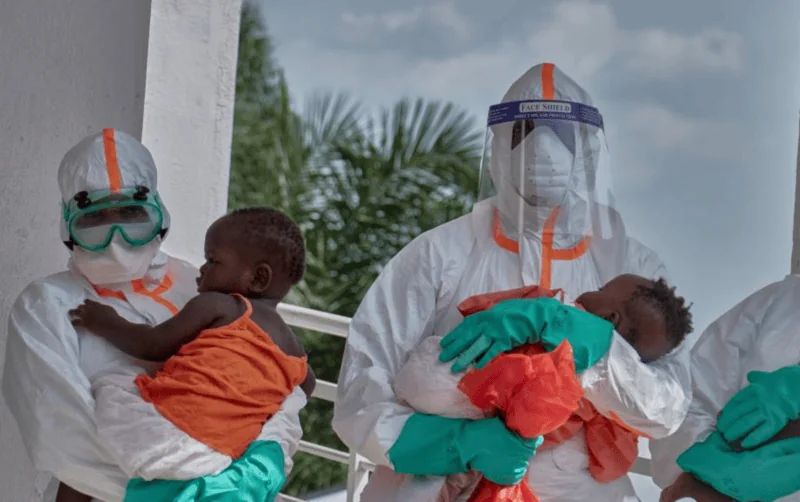
Despite recent improvements, critical operational constraints are currently undermining the continental Ebola response and preparedness efforts, as the death toll has surpassed 200 in the Democratic Republic of the Congo (DRC) and Uganda, experts from the Africa Centers for Disease Control and Prevention (Africa CDC) have warned.
During an online press briefing on Thursday evening, Africa CDC officials and experts highlighted positive developments in the ongoing Bundibugyo Ebola response, including improvements in testing and treatment capacity.
However, they voiced concerns over critical operational gaps, mainly related to limited contact-tracing capacity, insecurity and insufficient funding.
The two affected countries have recorded a cumulative 894 confirmed cases and 204 deaths, with a case fatality rate of 22.8 per cent, including 19 cases and two deaths in Uganda, according to the latest data from the African Union's continental public health agency. Some 74 patients have recovered from the disease so far.
Wessam Mankoula, operations manager for the Ebola response at Africa CDC, highlighted significant improvements in the ongoing continental outbreak response and preparedness efforts since the DRC declared its 17th Ebola outbreak on May 15.
"Currently, there is almost no backlog and testing is conducted within 24 hours," he said, noting that 21,000 tests have been delivered to four countries, including the DRC, Uganda, South Sudan and Burundi, while more than 27,000 additional tests are in the pipeline for delivery to the two affected and at-risk countries.
During a high-level meeting held on Tuesday, African states and key multilateral and bilateral partners pledged a total of around $910 million for Ebola response efforts, he said.
He called for the immediate release of the pledged funds to the affected countries and response partners, as only $90 million of the total pledges has been disbursed so far.
Meanwhile, Africa CDC officials and experts underscored that six "critical constraints currently determine whether transmission is interrupted."
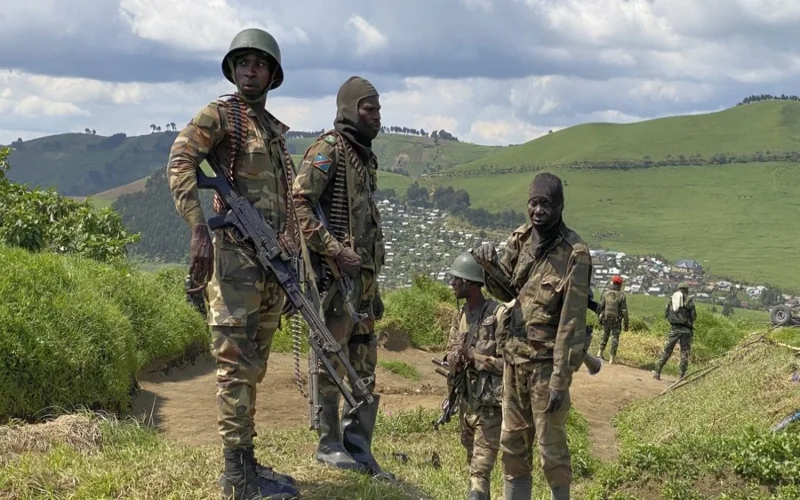
These include the lack of licensed medical countermeasures for the Bundibugyo Ebola strain, insecurity and armed conflict with attacks on health facilities, as well as healthcare worker infections and deaths, which have become "an emergency within the emergency."
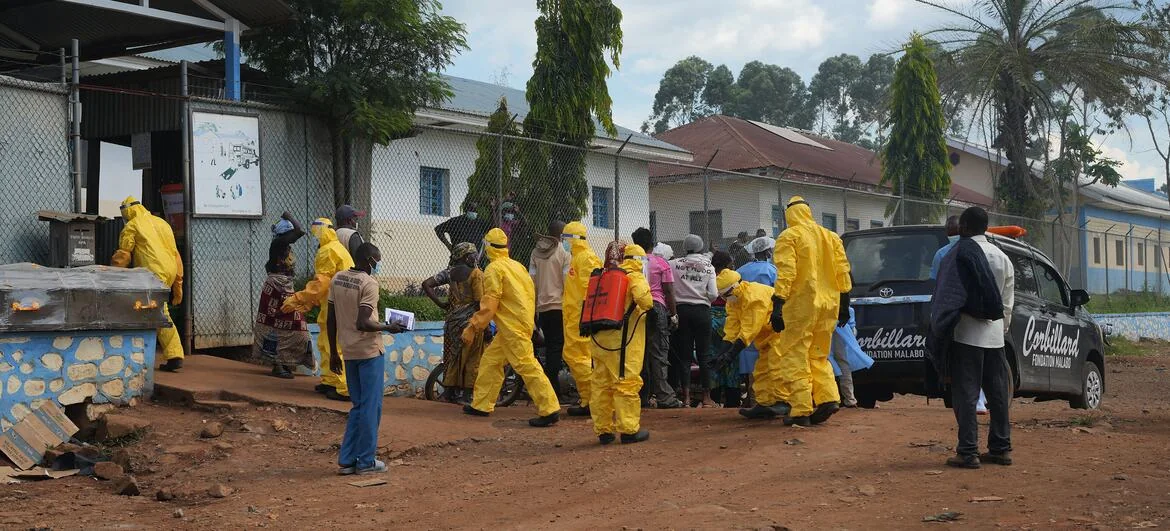
Gaps in contact tracing, with only about 12 per cent of expected contacts currently under active follow-up, are also considered a critical operational constraint, further compounded by intense cross-border movement and financing gaps.
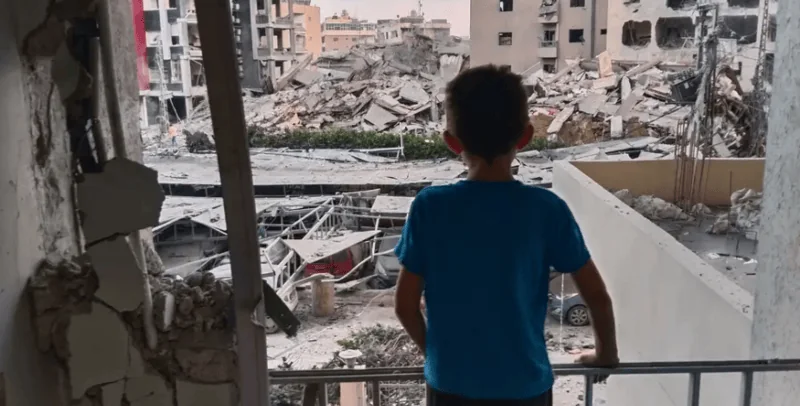
Yap Boum II, head of the emergency preparedness and response division at Africa CDC, said that the Ebola outbreak is adding strain to the DRC's health system, which is already stretched by conflict, displacement and multiple disease emergencies.
"We are talking about a very complex environment, with over 900,000 displaced people and refugees. There was already a humanitarian challenge before Ebola arrived," Boum said, emphasising the vital importance of integrating humanitarian and essential public health interventions.
Africa CDC also expressed concern over inadequate safe burial capacity, with only 84 personnel currently available out of the minimum required 540 in Ituri Province in eastern DRC, currently the epicentre of the outbreak.
Africa CDC declared the Bundibugyo Ebola outbreak in the DRC and Uganda a public health emergency of continental security on May 18, one day after the World Health Organisation declared the Ebola outbreaks in the two countries a public health emergency of international concern.
The Ebola virus is highly contagious and can cause symptoms including fever, vomiting, diarrhoea, generalised pain or malaise, and in severe cases, internal and external bleeding.































Comments
Sign in with Google to comment, reply, and like comments.
Continue with Google