President William Ruto has challenged African judicial leaders to reclaim the continent's rich heritage of dispute resolution and position Africa as a global leader in alternative justice systems.
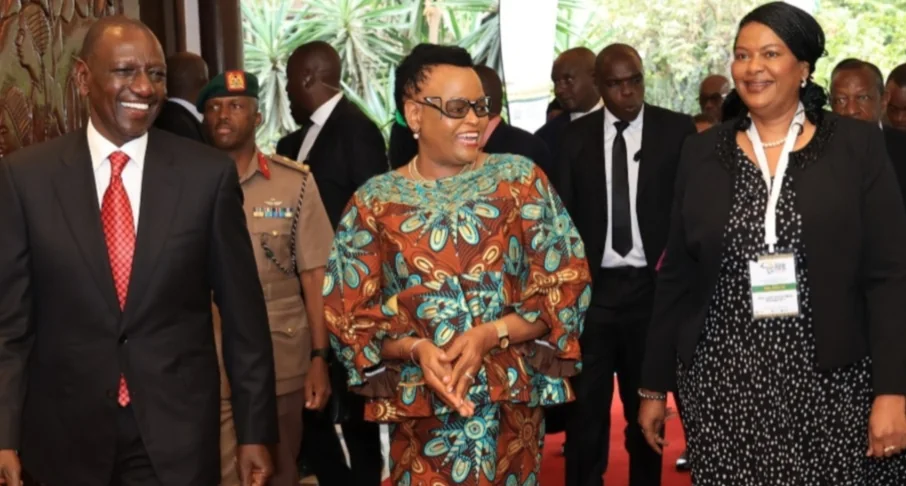
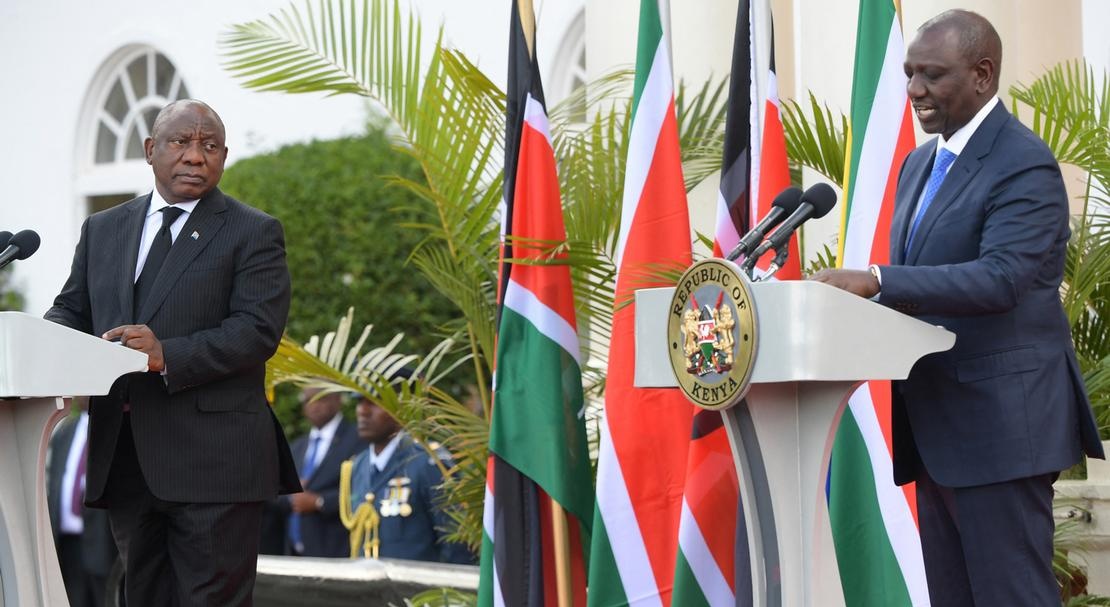
Speaking on Friday during the opening of the 3rd Africa Chief Justices' Alternative Dispute Resolution (ADR) Forum in Nairobi, Ruto said dialogue, mediation and reconciliation are deeply rooted African traditions that existed long before formal court systems.
"ADR is not an alternative to justice in Africa; it is its original foundation," Ruto told the gathering of Chief Justices, judges, judicial officers and legal practitioners from across the continent.
He noted that Kenya's 2010 Constitution entrenched Alternative Dispute Resolution (ADR) mechanisms in the country's legal framework by requiring courts to promote reconciliation, mediation, arbitration and traditional dispute resolution.
The President said Kenya's court-annexed mediation programme has returned more than Sh52 billion to the economy and helped restore thousands of family relationships since its introduction in 2016.
Ruto urged African countries to strengthen local arbitration institutions and retain commercial dispute resolution within the continent, arguing that justice should increasingly be administered by African institutions and jurists.
He also pledged to champion greater support for African judiciaries among Heads of State, saying investment in justice systems, technology, training and alternative dispute resolution mechanisms is critical for peace, economic growth and sustainable development.
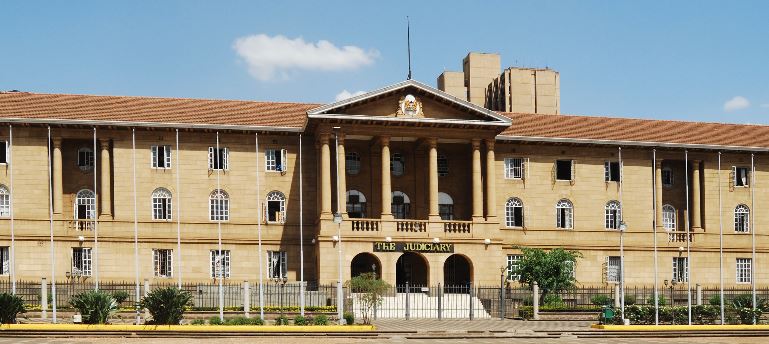
His remarks were echoed by Chief Justice (CJ) Martha Koome, who called for the transformation of Africa's justice systems to make them more accessible, inclusive and responsive to the needs of ordinary citizens.
Koome said many Africans continue to face significant barriers in accessing justice despite constitutional guarantees and legal protections.
"We gather at a time when access to justice remains one of the defining challenges confronting African societies. While our constitutions and statutes promise justice for all, the lived experiences of many Africans tell a more complex story," she said.
The Chief Justice cited findings from the Afrobarometer Round 10 Survey on Access to Justice, which showed that only half of citizens across 38 African countries believe ordinary people who are wronged can obtain justice through the courts. The survey also found that many people continue to seek justice through traditional leaders, community elders, customary courts and religious institutions.
According to Koome, the findings underscore the need for judiciaries to broaden their understanding of justice and embrace alternative dispute resolution mechanisms that complement formal court processes.
"The findings challenge us as judicial leaders to create pathways through which disputes can be resolved quickly, fairly, affordably and in ways that strengthen rather than fracture communities," she said.
She reaffirmed Kenya's commitment to Alternative Justice Systems (AJS) and ADR, noting that while courts remain indispensable guardians of constitutionalism, human rights and the rule of law, they are not the only legitimate avenues through which justice can be achieved.
Koome also linked efficient dispute resolution to economic development, saying Africa's integration agenda under Agenda 2063 and the African Continental Free Trade Area requires robust mechanisms for resolving commercial disputes.
"Commercial justice must be viewed as a form of economic infrastructure," she said.
The two-day forum is being held under the theme, "A Justice System That Serves, Listens and Resolves: Advancing ADR and Alternative Justice Systems for Peace, Inclusion and Prosperity in Africa."



































Comments
Sign in with Google to comment, reply, and like comments.
Continue with Google