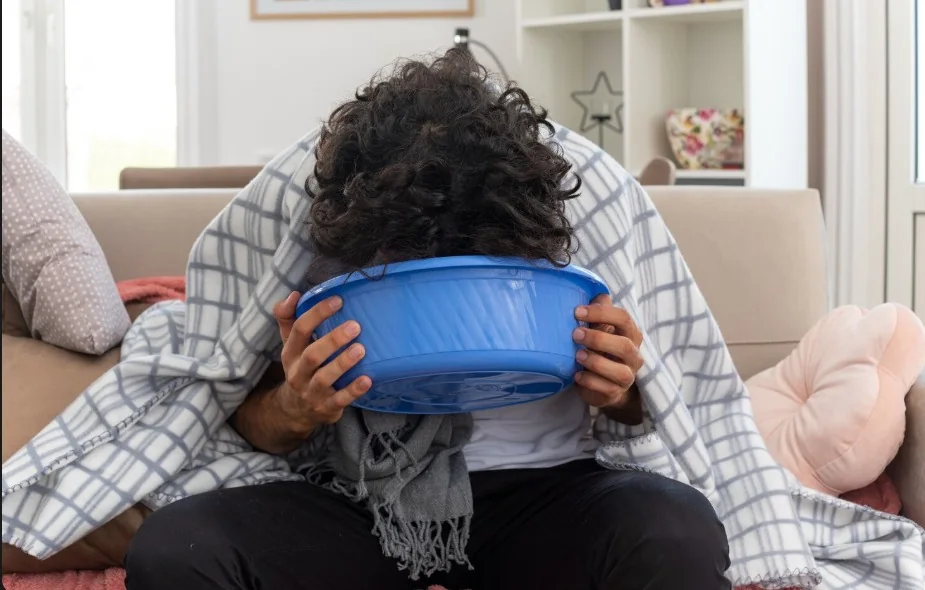
As temperatures drop this July across Kenya, many households return to a familiar childhood remedy: A steaming basin of hot water infused with mwarubaini (neem) leaves, eucalyptus or lemon leaves.
For generations, parents and grandparents have wrapped children in blankets over bowls of steaming herbal water, believing the warm vapour helps clear blocked noses, soothe coughs and chase away stubborn colds.
Others have boiled the same leaves for bathing, convinced they help "cleanse the body" during illness.
While most Kenyans swear by the tradition, doctors say the benefits of steam therapy are more nuanced than many people realise. Some are supported by science, while others remain rooted in cultural belief and centuries of traditional medicine.
Why is it called mwarubaini?
The name mwarubaini comes from the Swahili word "arubaini", meaning 40.
The tree earned its name from the long-held belief that it can treat 40 different illnesses, making it one of East Africa's most celebrated medicinal plants.
Known scientifically as Azadirachta indica, the neem tree was introduced to East Africa centuries ago and has since become deeply woven into traditional healing practices across Kenya, Tanzania and the coastal region.
Traditional herbalists have long used its leaves, bark, seeds and oil to treat ailments ranging from skin infections and fever to digestive problems and insect bites.
Although modern science has confirmed that neem contains several biologically active compounds, researchers caution that not every traditional claim has been scientifically proven.
Does mwarubaini add any extra benefits?
Neem (Azadirachta indica), locally known as mwarubaini, has long been used in traditional medicine and has attracted scientific interest because it contains hundreds of naturally occurring compounds, including nimbin, nimbolide, azadirachtin, and quercetin.
Laboratory and clinical studies have shown that some of these compounds possess anti-inflammatory, antimicrobial, antioxidant, and wound-healing properties when used in appropriate forms, such as extracts, topical preparations, or oral formulations.
Research published in peer-reviewed journals suggests that neem extracts may help reduce inflammation, inhibit the growth of certain bacteria and fungi, and support wound healing.
These findings partly explain why neem has traditionally been used to manage skin conditions, promote oral hygiene, and treat minor infections. However, scientists caution that these benefits should not automatically be attributed to steam inhalation.
According to research published in the Cochrane Database of Systematic Reviews and other respiratory health studies, the relief experienced during steam inhalation comes primarily from the warm, moist air, which helps loosen mucus, hydrate irritated nasal passages, and temporarily ease congestion.
There is currently little scientific evidence that the active medicinal compounds found in neem become airborne in sufficient quantities during steaming to produce significant therapeutic effects when inhaled.
In other words, while boiling mwarubaini leaves may release their distinctive aroma and contribute to a sense of comfort, the temporary relief people experience is thought to come mainly from the warm steam itself rather than from inhaling neem's bioactive compounds.
More than medicine
Despite the limited evidence supporting medicinal benefits from inhaling neem steam, mwarubaini remains an important part of traditional wellness practices across Kenya.
For many families, preparing a pot of steaming neem leaves is as much an act of care and comfort as it is a home remedy.
The familiar scent of boiling mwarubaini often signals that someone in the household is under the weather and being cared for. While science continues to investigate the plant's therapeutic properties, its cultural significance, as a symbol of caregiving, comfort, and generations of traditional knowledge, remains deeply rooted in many communities.
Can it help your skin?
Beyond easing congestion, facial steaming can temporarily soften the outer layer of the skin and loosen excess oil and debris trapped on its surface.
This makes cleansing more effective and can improve the absorption of moisturisers applied afterwards.
Neem itself has been widely studied in skincare because of its antibacterial and anti-inflammatory compounds, which may help calm acne-prone skin and support the healing of minor skin irritation.
However, dermatologists caution that steaming should not be viewed as a treatment for chronic skin conditions and excessive heat can actually worsen redness in people with sensitive skin, rosacea or eczema.
Should you steam regularly?
Health experts advise against making facial or herbal steaming a daily habit.
Frequent exposure to hot steam can strip the skin of its natural protective oils, weaken the skin barrier and increase dryness or irritation over time.
For people with asthma, very hot steam may even worsen symptoms rather than improve them.
Most dermatologists recommend steaming for five to 10 minutes once or twice a week if used as part of a skincare routine, while steam inhalation for congestion should be done cautiously and only when needed.
Children should never inhale very hot steam unsupervised because of the risk of serious burns.
For many Kenyans, steaming with mwarubaini is as much about comfort as it is about medicine.
Science supports the use of warm steam for temporarily relieving nasal congestion and soothing irritated airways, but evidence that inhaling neem vapour provides additional medical benefits remains limited.
That does not diminish the cultural significance of the practice.
Sometimes, a steaming basin of herbal water represents something equally powerful: the reassuring care of parents and grandparents, a quiet moment of rest and a reminder that healing often begins with being looked after.
As researchers continue to study medicinal plants such as mwarubaini, one thing remains clear: while traditional remedies have an important place in Kenya's cultural heritage, they work best when used alongside evidence-based medical advice rather than as a replacement for it.














































Comments
Sign in with Google to comment, reply, and like comments.
Continue with Google