How Sudan’s conflict is driving millions into hunger, disrupting education
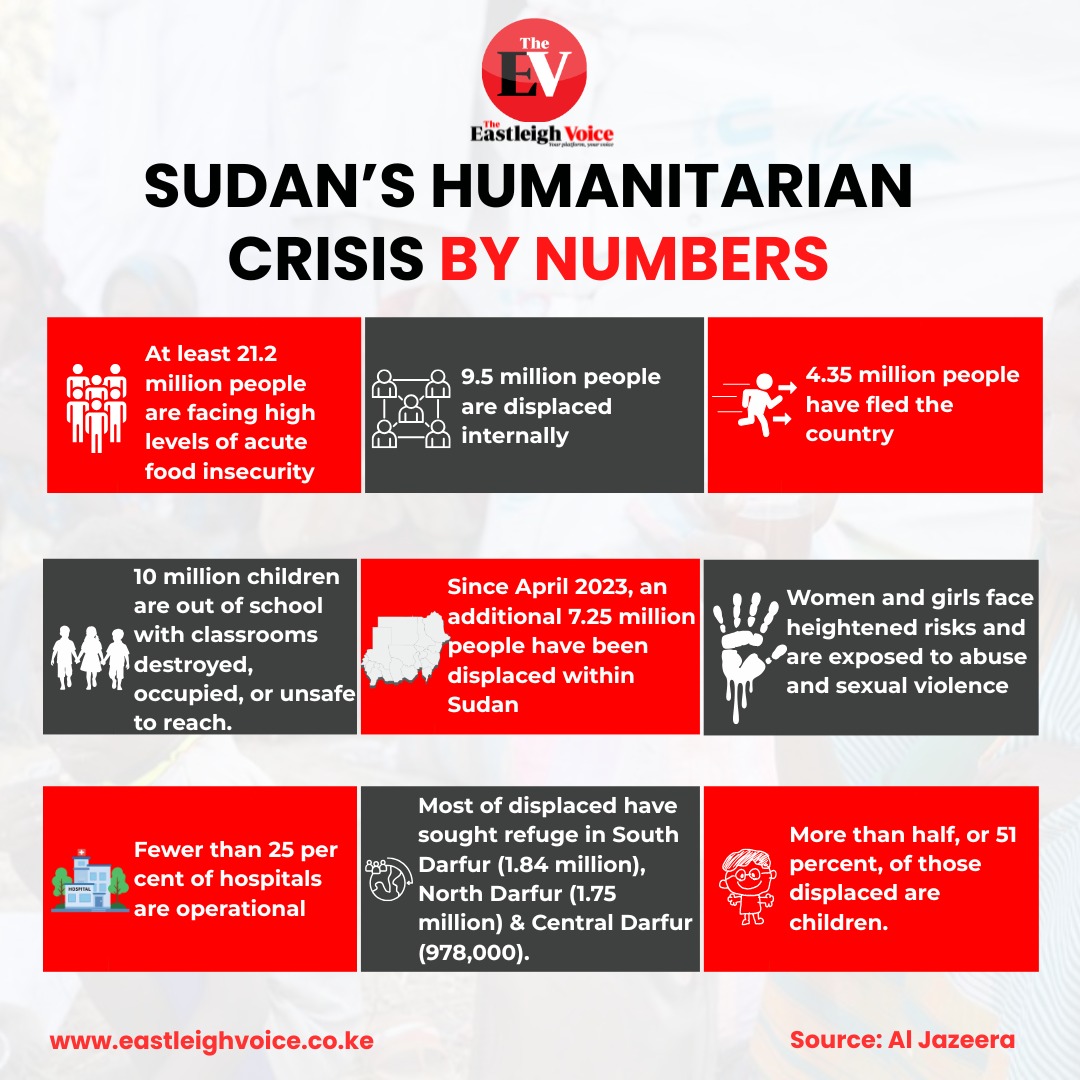
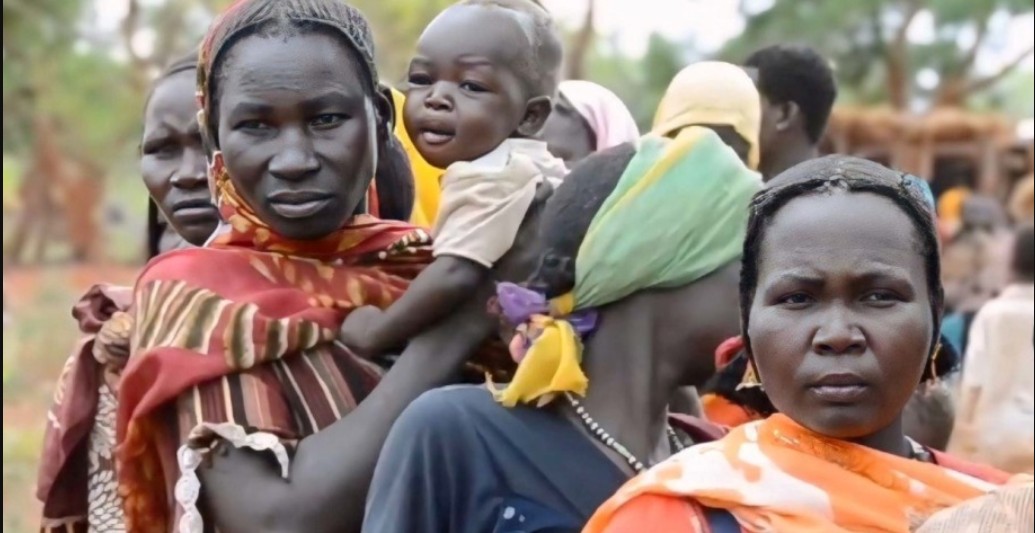
Nearly three years of conflict in Sudan have displaced 14 million people, driven 21 million into acute food insecurity and shut most hospitals and schools, leaving civilians facing a deepening crisis.
Nearly three years of conflict in Sudan have sparked one of the world’s most severe humanitarian crises, displacing around 14 million people both within the country and beyond its borders.
Millions have been forced to flee their homes as fighting spreads across key regions, with Darfur hosting a significant proportion of the internally displaced. More than half of those uprooted are children.
More To Read
- EU launches Sh530 million airlift to deliver life-saving aid to Darfur amid deepening Sudan crisis
- UN Secretary-General condemns ‘horrific’ drone strike on peacekeepers in Sudan
- Nine dead, 17 injured in RSF drone strike on Sudan’s Dilling military hospital
- Sudan war: Aid teams say deal struck to reach stricken El Fasher
- Kenya’s children holiday hunger: How school holidays leave slum families struggling to survive
- Sudanese herders struggle to safeguard livestock amid devastating war
The Sudan war has pushed at least 21 million people into acute food insecurity, with many unable to afford even a single meal a day.
The collapse of essential services has further worsened the situation: fewer than a quarter of hospitals remain operational, and access to healthcare is severely limited. Schools have been destroyed, occupied, or rendered unsafe, leaving roughly 10 million children without education.
Women and girls are among the most affected, facing heightened risks of abuse and sexual violence amid ongoing instability.
With humanitarian access restricted and aid struggling to reach those in need, civilians continue to bear the brunt of a conflict that shows no clear path to resolution.
Top Stories Today