Commercial vessels advised to exercise caution in Strait of Hormuz amid security concerns
Commercial vessels advised to exercise caution in Strait of Hormuz amid security concerns

Listen to article
3 min listen
Audio reading is not supported on this browser.
Ready

Thanks for listening. Continue with a related story, or tap the speaker icon on the next page to listen.

Related story

Shipping traffic through the Strait of Hormuz high amid a resurgence in attacks

Mary Wambui  ·  2 days ago
Read next Opens a fresh page.

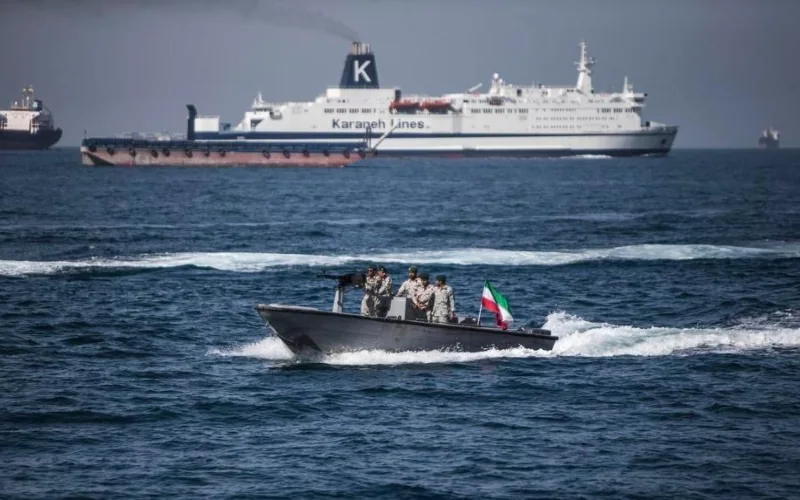
The advisory outlines a series of measures aimed at helping ships transit the Strait safely, including staying alert during passage, expecting radio contact from naval forces and remaining aware of areas where mines could pose a danger along the route.

Commercial vessels transiting the Strait of Hormuz have been urged to remain on alert after the Joint Maritime Information Centre (JMIC) issued updated navigation guidance on Friday.
JMIC warned that security risks in the strategic waterway remain severe even as an expanded southern shipping route remains open to traffic.

The advisory outlines a series of measures aimed at helping ships transit the Strait safely, including staying alert during passage, expecting radio contact from naval forces and remaining aware of areas where mines could pose a danger along the route.

“The maritime security threat level in the Strait of Hormuz remains severe. Notwithstanding recent unprovoked attacks on merchant vessels, mariners are reminded that the southern route of the Strait of Hormuz has been expanded and remains available for all traffic,“ it said.
Mariners were also encouraged to stay in contact with the Naval Cooperation and Guidance for Shipping (NCAGS) network and follow existing reporting procedures while transiting the Strait.
However, JMIC stressed that such coordination is voluntary, and vessels can use the expanded southern route without first contacting the network.
“Coordination with NCAGS is not mandatory. Ships may transit the southern route without coordination. Additional routes are also available but are not protected,” JMIC said.
The updated guidance comes against the backdrop of renewed tensions in the Gulf following recent attacks on commercial shipping that have fuelled military exchanges between the United States and Iran.
Washington has said its strikes on Iranian military and infrastructure targets were carried out in response to attacks on three merchant vessels earlier this week, while Tehran has retaliated with drone attacks targeting US military facilities in the Gulf and Jordan.
Although the two sides signed a memorandum of understanding last month aimed at ending their military confrontation and paving the way for a lasting peace agreement, uncertainty over the process remains as hostilities continue.
The Strait of Hormuz is one of the world's most strategically important maritime chokepoints, serving as the only sea passage between the Gulf and the Gulf of Oman.
The narrow waterway carries a substantial share of global oil and liquefied natural gas exports, making any disruption a major concern for international shipping and energy markets.
“No nation has the authority to close or control the Strait of Hormuz. US forces are fully prepared to deter threats, defend freedom of navigation, and respond decisively to any attempt to disrupt lawful transit through the Strait,” JMIC said.

Comments

0
Loading comments...

Trending

Popular Stories This Week