Trump declares Iran ceasefire over after fresh strikes, sparking renewed oil supply fears
Trump declares Iran ceasefire over after fresh strikes, sparking renewed oil supply fears

Listen to article
3 min listen
Audio reading is not supported on this browser.
Ready

Thanks for listening. Continue with a related story, or tap the speaker icon on the next page to listen.

Related story

IMO urges immediate de-escalation after renewed attacks on commercial vessels in Strait of Hormuz

Mary Wambui  ·  49 minutes ago
Read next Opens a fresh page.

Oil markets had earlier shown signs of easing after the ceasefire announcement, with crude prices retreating to about $71 (Sh9,175.04) per barrel, a level close to where prices stood before the conflict broke out.

President Donald Trump has declared the Iran ceasefire deal over after the United States (US) and Iran exchanged strikes on Tuesday, following retaliatory US military attacks on targets in southern Iran.
The pronouncement casts fresh uncertainty over the fragile truce and raises fears of renewed conflict in the Middle East.
Speaking on Wednesday during the NATO summit in Türkiye, Trump said the Memorandum of Understanding (MoU) with Iran “is over”, after the latest military exchanges.

He, however, noted that negotiators could continue talks if they wished.
The remarks have clouded prospects of a lasting agreement between the two sides and increased concerns over the stability of energy supplies from the region.
The renewed tensions pushed benchmark Brent crude prices higher, with oil rising six per cent to $78.50 (Sh10,145.34) per barrel on Wednesday as markets reacted to the possibility of further disruptions.


The escalation followed US strikes on Iran and the revocation of a waiver that had allowed Tehran to continue selling crude oil.
Iran responded by saying it had targeted 85 US military sites in Bahrain and Kuwait, describing the attacks as retaliation for what it termed US violations of the ceasefire.
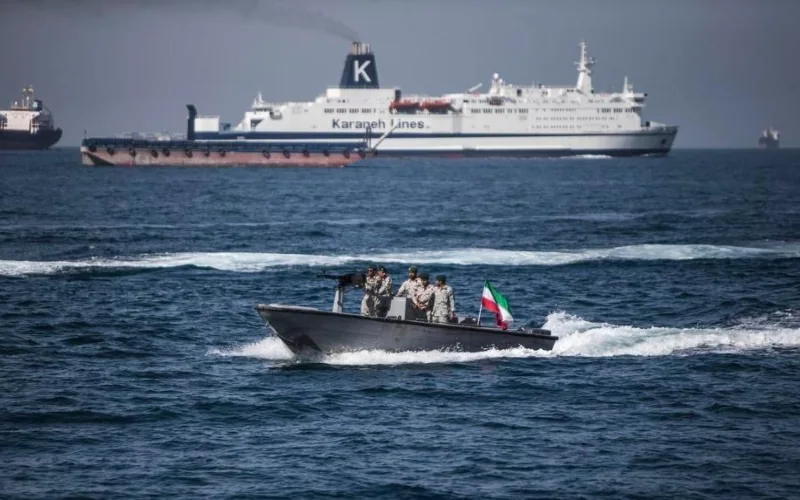
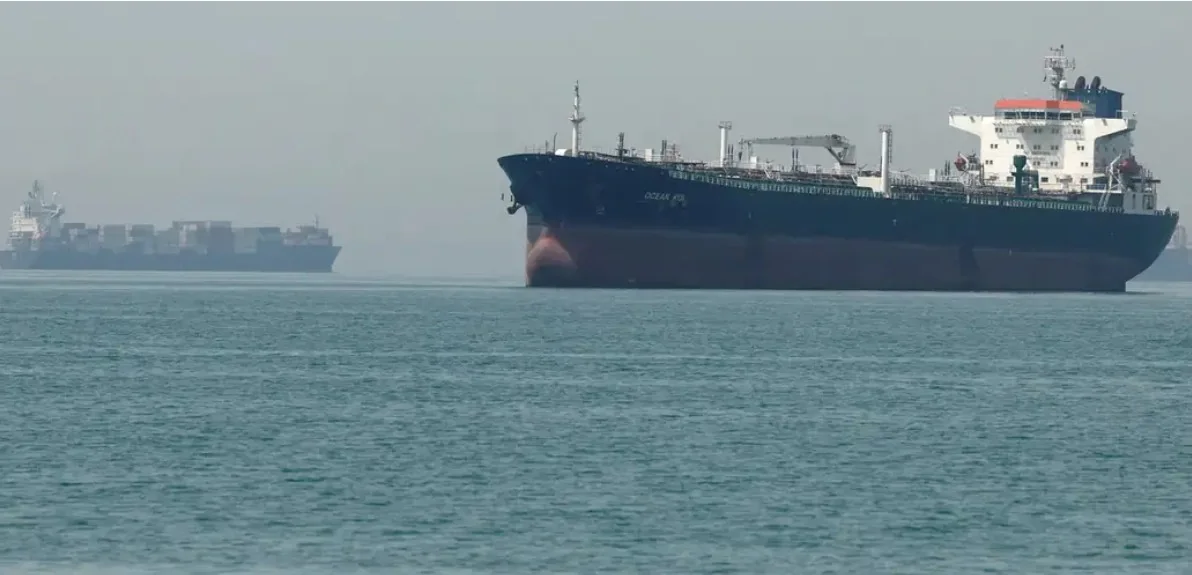
The conflict has also been compounded by recent attacks on vessels transiting the Strait of Hormuz, including a Qatari liquefied natural gas carrier and a Saudi oil tanker.
Oil markets had earlier shown signs of easing after the ceasefire announcement, with crude prices retreating to about $71 (Sh9,175.04) per barrel, a level close to where prices stood before the conflict broke out.
The decline reflected expectations that reduced geopolitical risks, combined with increased output from members of the Organisation of Petroleum Exporting Countries and allies (OPEC+), would lead to a supply surplus in global markets.
However, the latest escalation has shifted focus back to potential shortages, with traders concerned that prolonged fighting could deter shipping activity and disrupt crude exports from the Middle East.
For oil-importing countries such as Kenya, a sustained rise in global crude prices could increase petroleum import costs and put renewed pressure on domestic fuel prices and inflation.

Comments

0
Loading comments...

Trending

Popular Stories This Week