The World Bank has elevated six countries to higher income categories in its latest global income classification update, with no economy dropping to a lower tier.
According to the lender, the milestone reflects continued progress in income growth across the world.
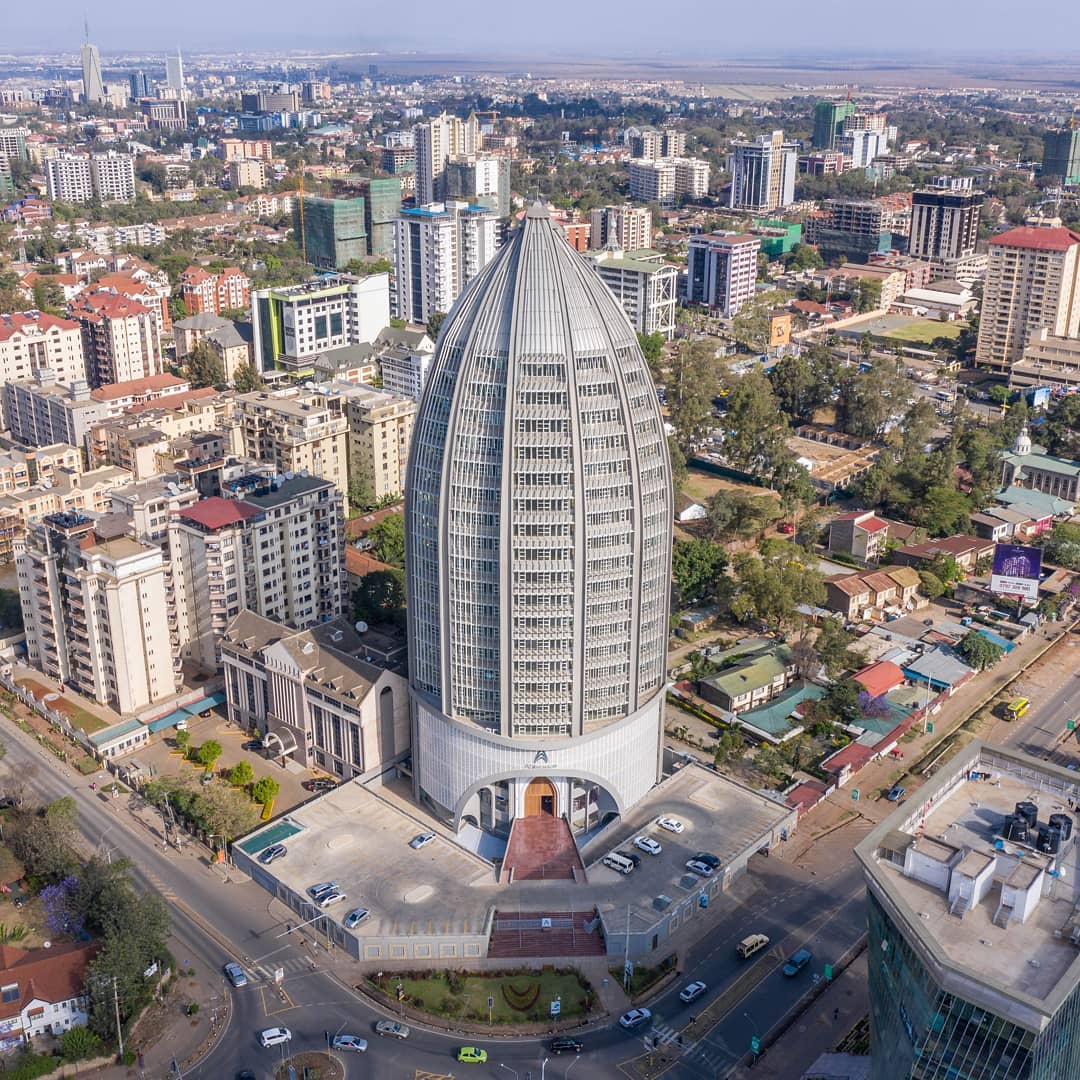
Kenya, however, remains in the lower-middle income category.
The latest assessment saw Jordan, Micronesia, the Philippines, Sri Lanka and Vietnam move from lower-middle to upper-middle income status, while Togo advanced from the low-income to the lower-middle income category.
The World Bank said that although all six countries moved into higher income classifications, each followed a different path shaped by unique economic, demographic and statistical developments.
Vietnam's transition was driven by strong export-led growth, with exports expanding by more than 15 per cent in both 2024 and 2025.
Its economy grew by seven per cent in 2024 and eight per cent in 2025, while gross national income recorded average annual growth of 10 per cent between 2021 and 2025.
The Philippines reached upper-middle-income status after posting broad-based economic growth, with average GDP growth of 5.8 per cent over the past five years across all major sectors.
Sri Lanka's reclassification reflects its recovery from the severe 2022 economic crisis, supported by a rebound in industry, tourism and financial services.
Jordan's promotion followed a comprehensive rebasing of its national accounts, which showed the economy was nearly 10 per cent larger than previously estimated. Togo's advancement was largely driven by revised population figures following its 2022 census.
For Kenya, the latest update means the country remains in the lower-middle-income category despite its long-standing ambition of attaining upper-middle-income status under its long-term development agenda.
The classification indicates that although Kenya has expanded its economic output over the years, average income per person has not yet reached the threshold required to move into the next income group.
Advancing to the upper-middle income category is widely regarded as a significant milestone because it reflects sustained improvements in per capita income, stronger productivity and broader economic transformation.
Achieving that status remains a key national goal as Kenya pursues policies aimed at accelerating industrialisation, expanding exports, attracting investment and creating higher-value jobs.
Since 1987, the World Bank notes, the share of low-income economies worldwide has fallen from 30 per cent to 11 per cent, highlighting the gradual shift of many countries into higher income categories despite taking different development paths.











































Comments
Sign in with Google to comment, reply, and like comments.
Continue with Google