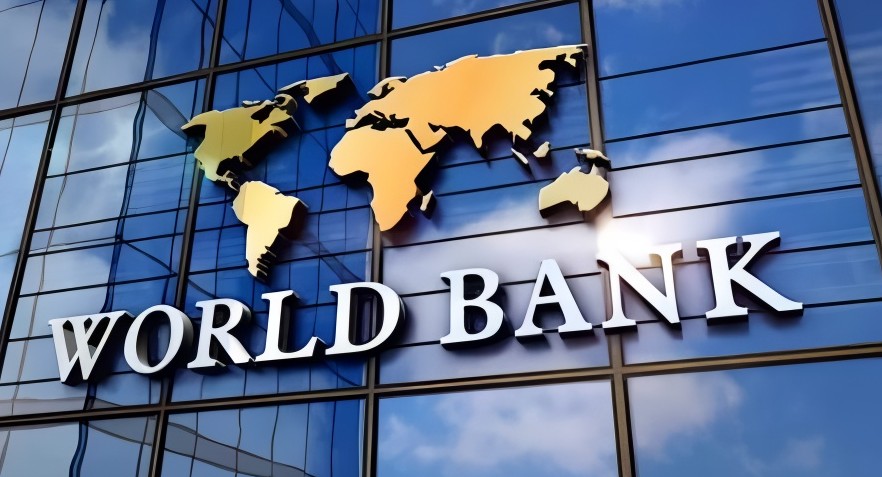
The World Bank is set to end its lending to China by 2031 under a plan presented to its board on Tuesday, effectively removing Beijing as a borrower from the Washington-based institution.
The decision, which is expected to be reviewed by the World Bank’s board during the week of July 20, forms part of a five-year “country partnership framework” agreed between the lender and Beijing.
While no formal vote is required, the plan would cap lending to China at about $2 billion between now and 2031 before bringing it to an end, according to sources familiar with the arrangement.
World Bank lending to China has already declined sharply in recent years, falling from $2.4 billion annually in 2017 to around $750 million in 2025.
China also exited eligibility for the bank’s International Development Association (IDA) funding for the world’s poorest countries in 2000, though it later became one of its key contributors.
“China has made significant development advances over the past several decades,” said one World Bank official familiar with the matter. “Now we are reaching a new phase of our relationship, reflecting that reality.”
The move reflects a broader reassessment of China’s place in the global development financing system, with the United States and other shareholders long arguing that the world’s second-largest economy should no longer receive concessional support from multilateral institutions.
A US Treasury spokesperson described the decision as “a step in the right direction”, saying Washington expected similar adjustments across other development lenders.
“As the second-largest economy in the world, China should not be receiving handouts from multilateral institutions,” the spokesperson said.
China’s Finance Ministry, however, pushed back on the framing of the decision, saying the decline in lending reflects changing domestic needs and an evolving cooperation model between Beijing and the World Bank rather than a political shift.
The Ministry said China would place greater emphasis on knowledge-sharing and continued collaboration on global development challenges.
“This is the natural result of changing domestic needs and the transformation of bilateral cooperation,” the Ministry said in a statement on Wednesday.
Officials in Beijing also emphasised that future engagement with the World Bank will focus less on financing and more on technical cooperation, particularly in addressing shared global issues.
The lender has also recently made similar adjustments with other relatively advanced economies, including Poland.
Overall, the shift underscores China’s changing economic profile and the World Bank’s broader effort to redirect limited development resources toward lower-income countries with greater financing needs, even as geopolitical debate over global lending priorities continues.



































Comments
Sign in with Google to comment, reply, and like comments.
Continue with Google