Kenya’s marginalised groups locked out of clean energy, new report warns
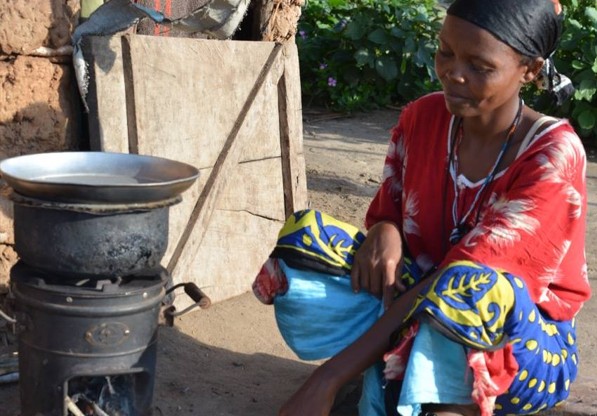
A new NGEC report finds Kenya’s women, youth, people with disabilities and marginalised communities still face high cost and reliability barriers to clean energy, slowing an inclusive transition.
Special interest groups (SIGs) — women, youth, people with disabilities, and marginalised communities — in Kenya remain significantly excluded from adopting clean energy solutions.
According to the latest report by the National Gender and Equality Commission (NGEC), this exclusion persists despite high levels of awareness across the country.
More To Read
- Kenya unveils two-year strategy to fix data gaps and fast-track gender equality
- Activists in Mombasa urge authorities to improve business conditions for marginalised groups
- Women and youth in marginalised communities highlight exclusion, demand action
- Nubian Rights Forum launches sensitisation drive to end marginalisation of minority groups
- Government tables Bill to boost inclusion of marginalised communities
- Kwale’s marginalised communities seek recognition, fair treatment
The report notes that these Groups continue to face steep cost and reliability barriers, major impediments that limit their transition to green energy technologies.
Notably, awareness levels vary widely across counties depending on commonly available energy sources, with biogas better known in Kiambu, solar in Uasin Gishu, and wind in Kajiado and Garissa.
Wide range of energy sources
Respondents across the sampled regions listed a wide range of energy sources — charcoal, firewood, electricity, LPG, kerosene, solar, ethanol, biogas, and geothermal — yet clean energy uptake lagged behind the use of traditional fuels.
Firewood emerged as the dominant source, accounting for nearly 20 per cent of use.
“This is followed by charcoal, electricity and solar at 17.7 per cent, 16.3 per cent, and 13.6 per cent, respectively,” reads the report.
Biogas is the least-mentioned energy type, at 0.2 per cent.
The report further reveals that urban and peri-urban areas recorded the highest usage of green energy at 75.3 per cent and 81.4 per cent, respectively, compared to 73.8 per cent in rural areas.
Institutions demonstrated the strongest uptake in the past year at 85.7 per cent, outpacing households and businesses.
Challenges of using green energy
On the challenges that SIGs face when using green energy, the majority of respondents reported that green energy is expensive, at 32 per cent.
This is followed by perceptions of it not being reliable (25 per cent) and not being available (16.9 per cent).
As a result of these challenges, respondents (SIGs) reported switching from renewable to non-renewable energy.
When asked why they made such a switch, they cited the unavailability, unaffordability and unreliability of green energy solutions.
Additionally, they indicated that green energy is ‘not able to meet their needs’, and ‘not able to perform some functions of interest to them’.
“Due to these, some respondents reported they don’t intend to use green energy in the future.”
Gender-specific perceptions
The survey also uncovered gender-specific perceptions that continue to influence energy choices.
Although a majority of respondents rejected the notion that clean energy is unsuitable for women, a small but notable group still held such beliefs.
Similarly, 56.4 per cent of respondents disagreed with claims that green energy is socially unacceptable in their communities, indicating that pockets of resistance still exist.
The commission warns that such barriers risk derailing Kenya’s broader shift to sustainable energy, even as the country leads the region in geothermal, solar and wind development.
It emphasises that inclusive access is essential to ensuring that no group is left behind in the national transition.
To close these gaps, the Commission recommends a comprehensive policy shift aimed at reducing the cost of clean energy solutions while improving reliability.
It also urges government agencies to strengthen gender-responsive investments in the energy sector, expand opportunities for women and youth, and integrate disaggregated data into energy planning to ensure the needs of SIGs are adequately reflected.
Top Stories Today