Cabinet approves Sh9.7 billion livestock value chain support project to boost dairy and cereals
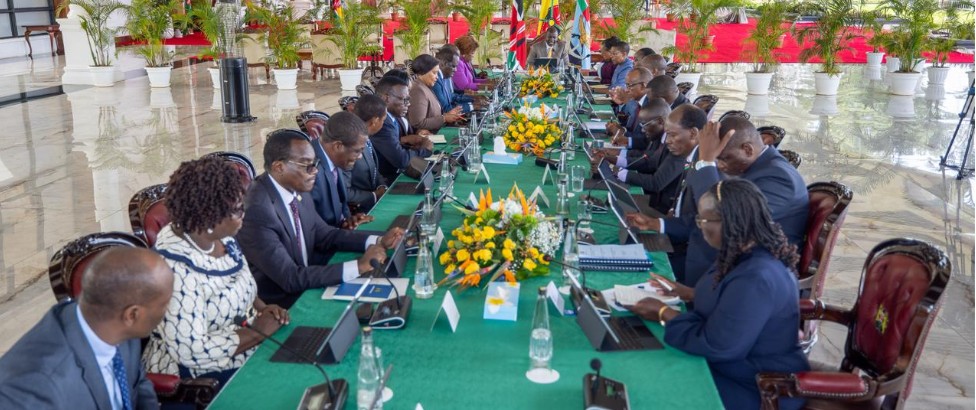
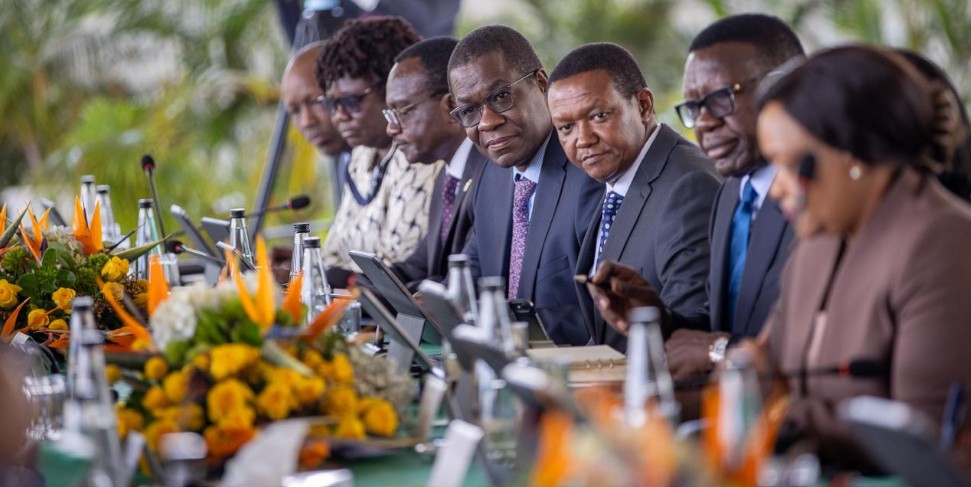
Cabinet has approved a Sh9.7 billion Livestock Value Chain Support Project to upgrade dairy and cereal production across dozens of counties, alongside wider farm budget measures to strengthen food security.
The Cabinet has approved the Livestock Value Chain Support Project (LVSP), a major initiative designed to boost dairy productivity, reduce post-harvest losses, and improve incomes for farmers across Kenya.
Implemented by the Government of Kenya with support from the Polish Government through a tied-aid credit agreement, the programme will focus on strengthening genetics, enhancing feed and fodder production, expanding cold-chain infrastructure, and supporting farmer organisations.
More To Read
- Cabinet approves Sh5 trillion strategy to expand roads, energy, agriculture and trade
- 2 per cent of Kenyans own over half of the country’s arable land - KHRC report
- Factory farming in Africa: Development banks see it as a good idea, but it’s bad for the climate
- AU calls for rapid tech adoption in farming to shield continent from food crises
- Ruto unveils Sh400 billion mega dam plan to turn North and Coast regions into Kenya's new food basket
- International Rescue Committee warns millions at risk as drought intensifies across Northern Somalia
The project targets both the dairy and cereals sub-sectors, with the broader aim of contributing to food and nutrition security, generating employment, and improving livelihoods for farming and agro-pastoral communities.
According to the Ministry of Agriculture, the LVSP’s objective is to enhance value addition, improve market access, and boost the competitiveness of dairy and cereal investments.
Ministry data indicates that the initiative has total funding of Sh9.7 billion and will run from 2024 to 2027. It comprises three main components: dairy and cereal post-harvest support services, agribusiness capacity building and technology dissemination, and project management and coordination.
The project will benefit numerous counties, including Baringo, Bomet, Bungoma, Elgeyo Marakwet, Embu, Garissa, Homa Bay, Isiolo, Kajiado, Kakamega, Kericho, Kiambu, Kilifi, Kirinyaga, Kisii, Kisumu, Kitui, Kwale, Laikipia, Lamu, Machakos, Makueni, Mandera, Marsabit, Meru, Migori, Murang’a, Nakuru, Nandi, Narok, Nyamira, Nyandarua, Nyeri, Samburu, Siaya, Taita Taveta, Tana River, Tharaka-Nithi, Trans-Nzoia, Turkana, Uasin Gishu, Vihiga, Wajir, and West Pokot.
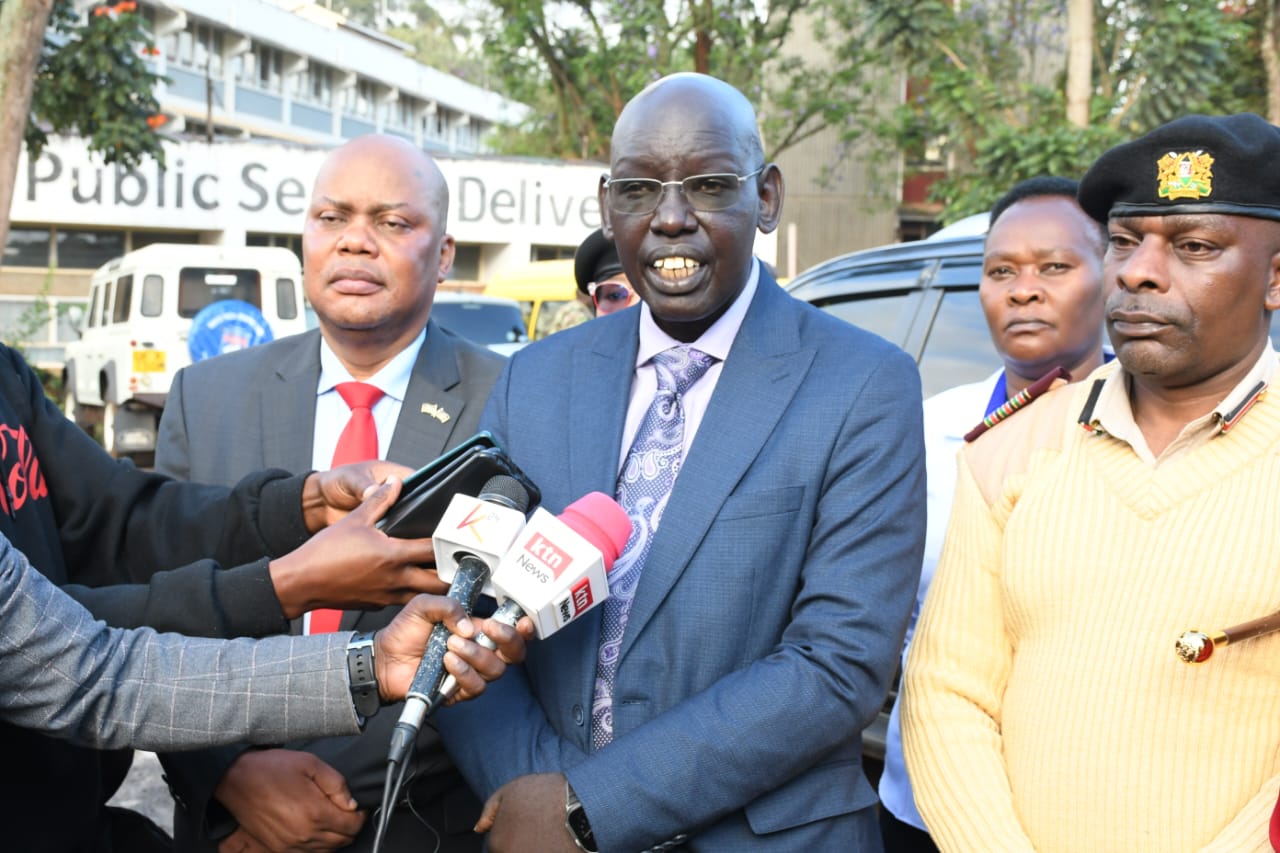
Last month, Agriculture Cabinet Secretary Mutahi Kagwe and Livestock PS Jonathan Mueke hosted a delegation from the Kenya National Chamber of Commerce and Industry (KNCCI), led by Chamber President Erick Rutto, to deepen collaboration in boosting Kenya’s dairy and beef exports.
Shifting from volume to quality
Kagwe said Kenya is shifting from volume to quality in dairy, targeting value-added exports such as butter, cheese, and milk powder.
“KNCCI is a key partner in linking Kenyan producers to global markets and investors,” he said.
He called for affordable agricultural financing under 10 per cent interest to make livestock and dairy enterprises viable, and announced the revival of the Agriculture Sector Working Group to align policy with private sector efforts.
The meeting also highlighted Kenya’s major beef export deal with China under Origin Prime Kenyan, a 25-year, Sh26 billion contract expected to create 135,000 jobs and modernise the Kenya Meat Commission with a Sh2 billion upgrade.
PS Mueke added, “Kenya produces 5.4 billion litres of milk annually and must now focus on exports as domestic consumption nears capacity.”
Both sides agreed on practical partnerships aimed at raising standards, attracting investment, and positioning Kenya as a regional powerhouse in dairy and beef exports.
In the 2025/26 financial year budget, the government allocated Sh47.6 billion to enhance food security and boost agricultural productivity in key value chains, including fisheries and aquaculture, horticulture, food crops, livestock, and rangeland development.
Other Topics To Read
- National
- food security
- Kenya Meat Commission
- KNCCI
- fertiliser subsidy
- Dairy sector
- Livestock Value Chain Support Project
- cereal production
- Kenya agriculture budget
- beef exports
- Poland tied-aid credit
- Cabinet approves Sh9.7 billion livestock value chain support project to boost dairy and cereals
- Headlines
“The government will scale up support to farmers through input financing, subsidies, and extension services. This will move the country from food deficit to food surplus, reduce reliance on food imports, and revamp export crops,” Treasury CS John Mbadi said.
Of the Sh47.6 billion, Sh8 billion is earmarked for the fertiliser subsidy programme, Sh10.2 billion for the National Agricultural Value Chain Development Project, Sh800 million for the Small-Scale Irrigation and Value Addition Project, Sh1.2 billion for the Food Security and Crop Diversification Project, and Sh5.8 billion for the Food Systems Resilience Project.
Since February 2024, 6.5 million registered farmers have benefited from the fertiliser subsidy, reducing costs by 67 per cent and increasing maize production by 38.9 per cent.
In other developments, the Cabinet endorsed the National Care Policy to coordinate the care sector, promote gender equality, and improve accountability.
It also approved the operationalisation of the Kenya National Convention Bureau to position the country as a leading global destination for meetings, incentives, conferences, and exhibitions (MICE), and was briefed on Kenya’s hosting of the 4th COMESA–EAC–SADC Tripartite Summit in mid-2026.
Top Stories Today