10 counties in critical need of urgent food, water as government seeks Sh13 billion to avert hunger
Ten counties, including Mandera, Wajir, Garissa, Kilifi, Kitui, Marsabit, Kwale, Kajiado, Isiolo, and Tana River, are already in critical need of urgent food, water and medical assistance.
At least Sh13 billion is required to purchase food amid a worsening drought that has left more than 2.1 million people facing hunger across 32 counties, the government has revealed.
Ten counties, including Mandera, Wajir, Garissa, Kilifi, Kitui, Marsabit, Kwale, Kajiado, Isiolo, and Tana River, are already in critical need of urgent food, water and medical assistance.
More To Read
- Over 17 million Afghans face acute hunger as winter looms, WFP warns
- Opposition faults Ruto Government over delayed drought response in Northern Kenya
- Over 2.1 million Kenyans face severe food shortages as drought worsens
- Factory farming in Africa: Development banks see it as a good idea, but it’s bad for the climate
- Mandera herders lose livestock and hope as Governor Mohamed Khalif announces emergency relief measures
- Governors sound alarm over looming drought, call for urgent grain and livestock reserves
Several others remain on high alert, including Samburu, Turkana, Taita Taveta, West Pokot, Tharaka Nithi, Embu, Nyeri, Laikipia, Narok, Baringo, Makueni, Meru and Lamu.
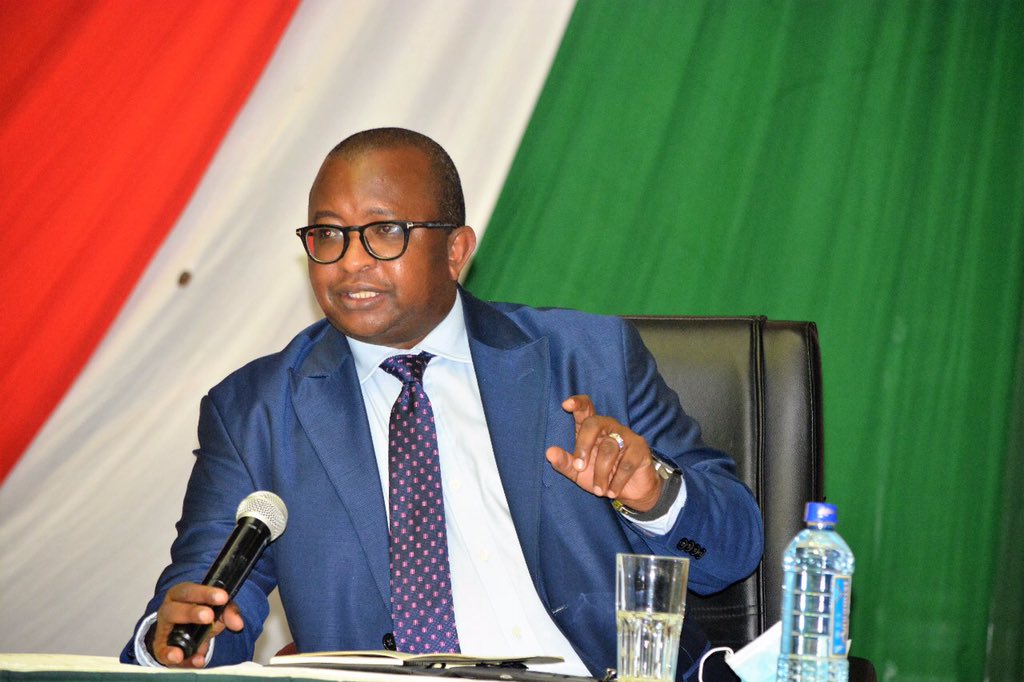
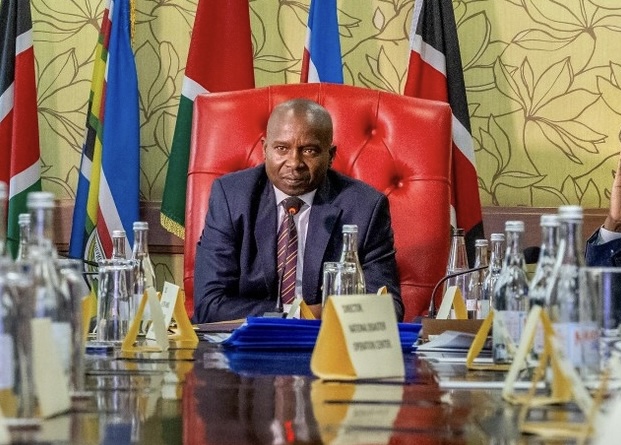
Speaking on Tuesday, Deputy President Kithure Kindiki said Sh7 billion is required for human food, water and medicine over the next three months and Sh6 billion for livestock support, including food, water and an animal off-take programme for six months.
He estimated that 2.1 million people are experiencing food and nutritional stress, necessitating coordinated action between national and county governments.
“The October to December short rains have underperformed, exposing an estimated 2.1 million people across 32 counties to food and nutritional insufficiency,” Kindiki said.
“The affected counties will require sustained human and livestock food, nutritional, and health interventions over the next six months, until the March–May long rains harvests are nearly ready.”
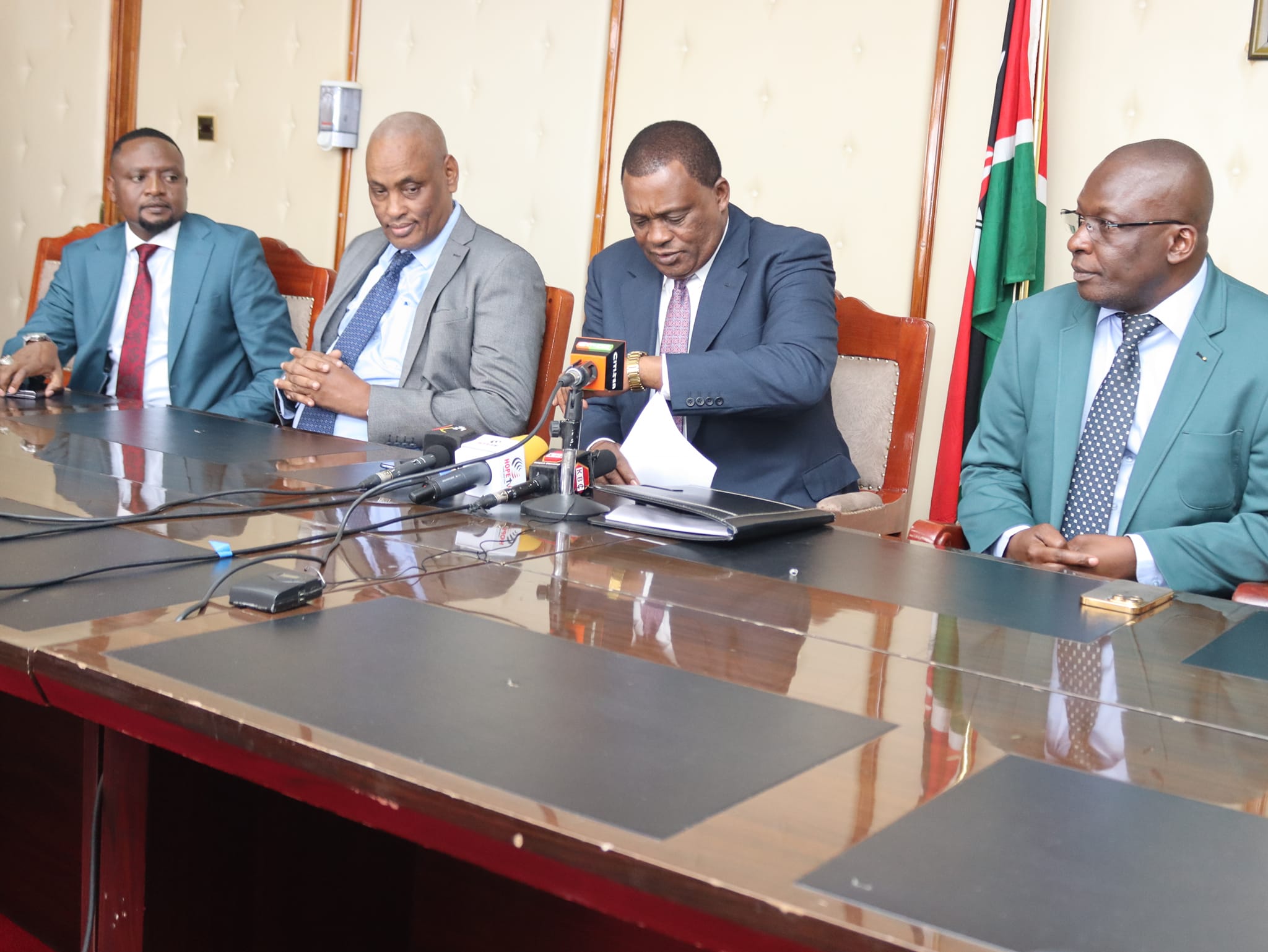
He spoke after he chaired a high-level crisis meeting with Cabinet Secretaries, Principal Secretaries, governors, agency heads, and CEOs to evaluate the scale of the drought, the cost of interventions, and the resources needed to protect households and livelihoods.
Kindiki said the government has rolled out a series of urgent measures aimed at protecting vulnerable Kenyans from a drought that has destroyed crops, depleted pasture and strained livestock-dependent livelihoods.
He noted that a combination of short-term relief and long-term irrigation projects will be implemented to cushion communities from further food shortages.
“The food stress we are witnessing is largely the result of poor and erratic rainfall, which has led to widespread crop failure and reduced pasture for livestock,” Kindiki said.
The DP added that the Kenya Meteorological Department forecasts indicate that the affected counties will require sustained humanitarian, nutritional, health and livestock support for at least the next six months, until the harvests from the March–May long rains are available.
“A follow-up meeting bringing on board development partners, humanitarian organisations, and the private sector will be held, after which the government will release a comprehensive roadmap on drought mitigation,” he said.
The National Drought Management Authority (NDMA) noted that the briefing was part of the Food Security Monitoring Committee Report for November 2025, providing a detailed assessment of crops, livestock and related food and nutrition security sectors.
“The briefing focused on implications of the worsening drought conditions and priority response interventions required to mitigate impacts on vulnerable populations and livelihoods,” the NDMA said.
Weather predictions show a bleak outlook, with the Kenya Meteorological Department warning of a 60 per cent probability of La Niña conditions in December 2025.
Rainfall is expected to be poorly distributed, with prolonged dry spells and above-average temperatures across the country. Northeastern counties, southeastern lowlands, and parts of the Coast are likely to receive below-average rainfall, increasing the risk of food insecurity.
The government plans to reduce reliance on rain-fed agriculture by fast-tracking large-scale irrigation projects, including 50 mega dams, 200 mini-dams, and more than 1,000 micro-dams. The initiatives are projected to bring an additional 2.5 million acres under production.
“These investments are critical to strengthening food and water security, supporting agro-industrialisation, and uplifting rural livelihoods,” the Cabinet said in a statement.
Counties most affected include Turkana, Machakos, Makueni, Kitui, Taita Taveta, Kajiado, Tana River, Mandera, Wajir, Garissa, Marsabit and Isiolo.
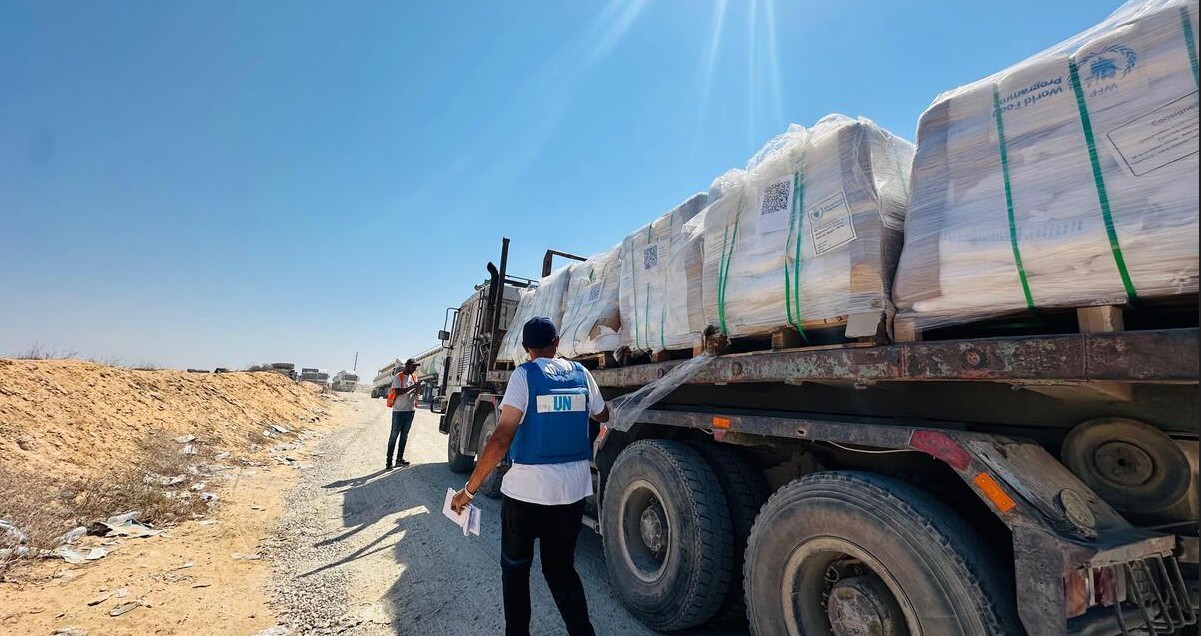
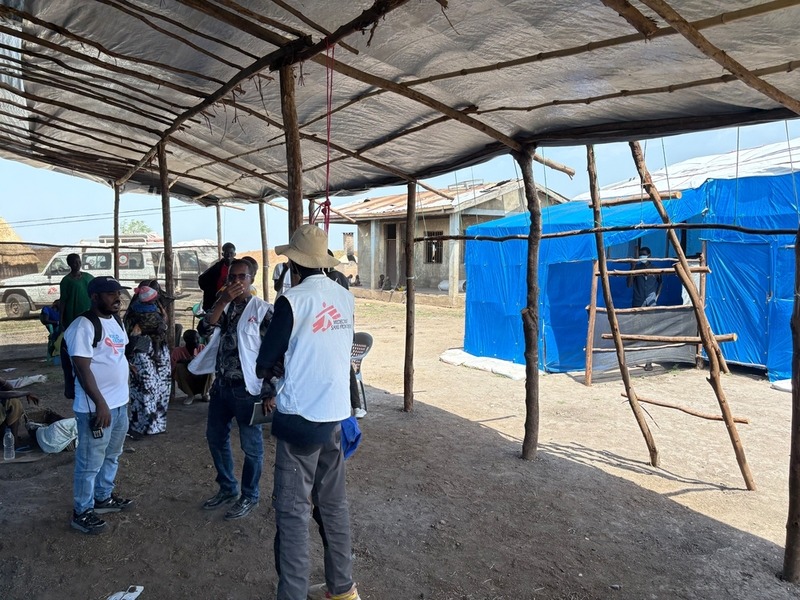
The Red Cross continued distributing food on Tuesday to over 200 families in Karimani Village, Bamba Ward, Ganze Sub-County, Kilifi County, where more than 46 water pans have dried up, leaving residents reliant on aid.
Kindiki said a follow-up meeting with development partners, humanitarian organisations, and private sector actors will be held to finalise a comprehensive drought mitigation roadmap.
He added that available food stocks will be distributed immediately to the hardest-hit areas through a mix of direct food aid and cash transfers.
The government has appealed to development partners, humanitarian organisations, and the private sector, including Safaricom, Equity Bank, and the Kenya Red Cross, for financial, material, and technical support.
Kindiki stressed that saving lives, both human and livestock, is the government’s immediate priority as the country braces for prolonged dry conditions.
Top Stories Today