World Bank projects reprogrammed to save Kenya’s drought-stricken farmers

Kenya will reprogramme all World Bank-funded agriculture projects to prioritise drought relief, directing funds to fodder, water and livestock protection while still supporting long-term resilience across all counties.
All Kenya agricultural projects funded by the World Bank will be reprogrammed to provide immediate relief to drought-affected areas amid worsening dry conditions.
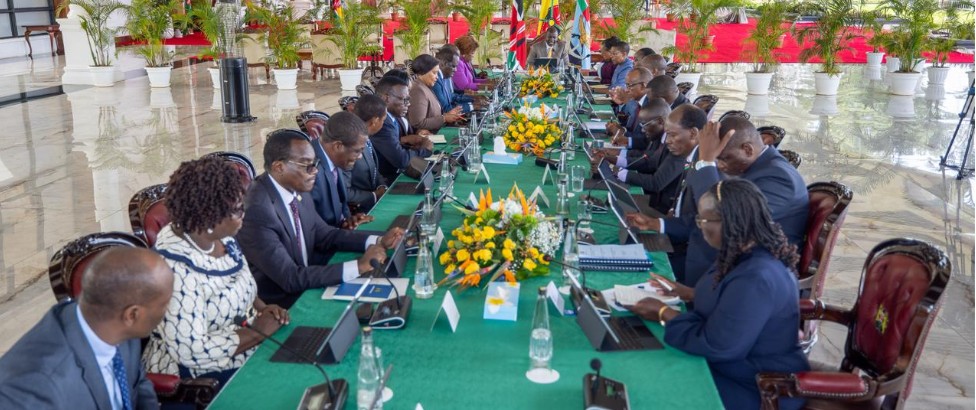
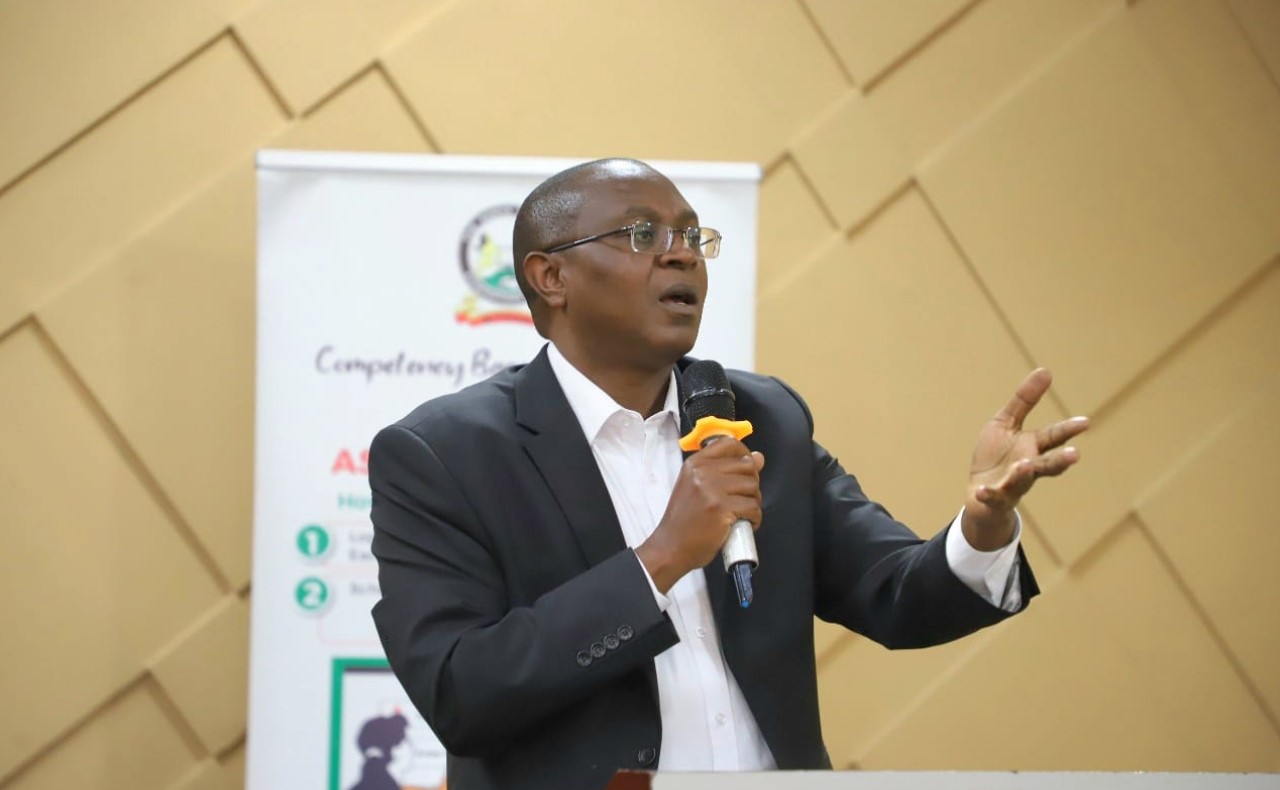
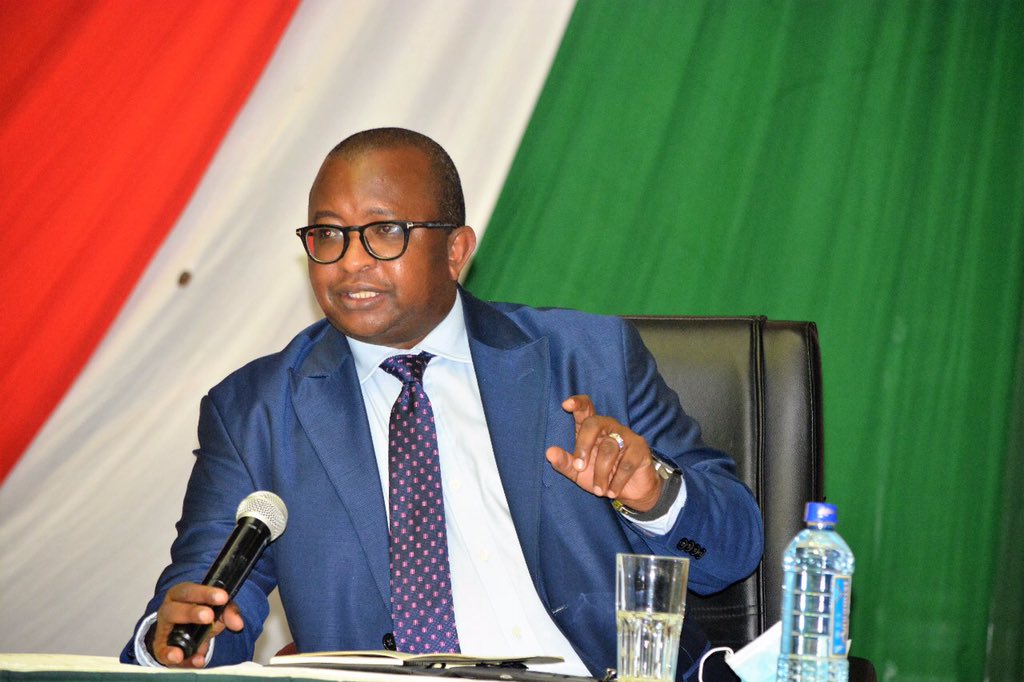
Speaking on Wednesday after a high-level meeting with county officials in Malindi, Agriculture Cabinet Secretary Mutahi Kagwe said the move will prioritise urgent interventions such as fodder transport, water delivery and livestock protection, while also laying the foundation for long-term resilience.
More To Read
- Why anchoring Dishi na County in law could transform Nairobi’s children’s futures
- 10 counties in critical need of urgent food, water as government seeks Sh13 billion to avert hunger
- Over 17 million Afghans face acute hunger as winter looms, WFP warns
- Opposition faults Ruto Government over delayed drought response in Northern Kenya
- Over 2.1 million Kenyans face severe food shortages as drought worsens
- Mandera herders lose livestock and hope as Governor Mohamed Khalif announces emergency relief measures
Kagwe said the drought response will follow an all-of-government approach, treating livestock, crops and human livelihoods as an interconnected system. The discussions involved the Council of Governors’ (CoG) Agriculture Committee and the ASAL Governors Caucus and focused on the Food Systems Resilience Program (FSRP) and the National Agricultural Value Chain Development Project (NAVCDP).
FSRP, implemented in 13 counties classified as severely affected, and NAVCDP, covering the remaining 34 counties, are being reprogrammed to balance immediate drought mitigation with long-term agricultural development.
Prioritising urgent interventions
“We sit at a critical point where we must reprogramme these two programmes to respond to the current drought reality, while also putting in place permanent solutions to avert future crises,” Kagwe said.
Under the new approach, counties facing acute drought will receive immediate support, including transportation of fodder, water delivery to pastoral areas, and interventions to save livestock and protect households that depend on them.
Some activities originally planned under the programmes will be paused, with funds redirected to urgent on-the-ground needs.
Governors noted that several counties are already recording livestock losses due to prolonged lack of rainfall, highlighting the need for swift action. Leaders agreed that at least 85 per cent of programme resources should go directly to on-the-ground impact rather than administrative costs.
County-led planning and implementation
CoG Agriculture Committee chair and Bungoma Governor Kenneth Lusaka said counties will play a central role in planning and implementation.
“Capacity-building funds must be reallocated. Going forward, resources will no longer be absorbed by recurrent expenditure,” Lusaka said, emphasising that donor-funded programmes must be jointly designed at national and county levels.
ASAL Governors Chair and Garissa Governor Nathif Jama supported Kagwe’s remarks that programmes must recognise the unique characteristics of counties with dual climates and mixed livelihoods.
Kagwe added, “An area should not be defined by lack of rainfall alone. With irrigation, places like Garissa can become net producers, including in crops such as rice.”
Strengthening resilience and productivity
Leaders also agreed that Kenya must reduce overreliance on rain-fed agriculture by scaling up irrigation, feedlots, strategic fodder reserves and storage facilities to cushion farmers during climate shocks.
Livestock disease control was identified as a core pillar, with renewed commitment to tackling Foot and Mouth Disease (FMD) and advancing Kenya’s goal of becoming a tsetse-fly-free country, key steps to boosting livestock productivity and exports.
The Kenya Agricultural Digital Integration Centre (KADIC) will modernise the sector by linking counties through digital platforms on soil data, pest control, animal identification and vaccination records, improving productivity, traceability and access to international markets.
Youth inclusion was also emphasised, with leaders urging deliberate integration of young people into both FSRP and NAVCDP.
“Young people must begin to see agriculture as modern, profitable and ‘cool’ especially in value addition,” Kagwe said, calling on parents and communities to support youth participation across the value chain.
Top Stories Today