Sudan, South Sudan and Gaza face ‘most dangerous year yet’ as humanitarian crisis deepens
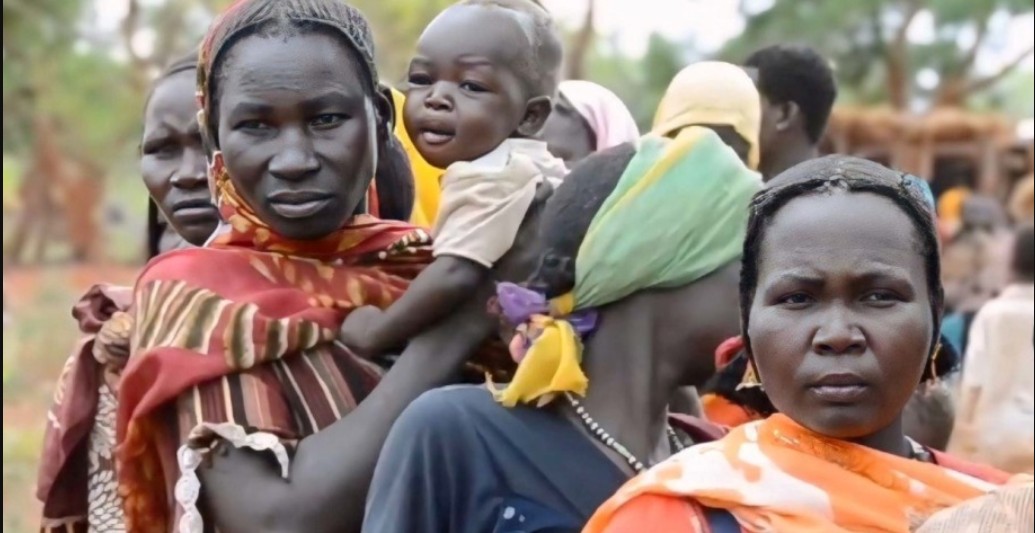
The International Rescue Committee’s 2026 Emergency Watchlist warns that Sudan, South Sudan and the occupied Palestinian territory face worsening crises as funding falls and global cooperation breaks down.
Civilians in conflict-affected countries face a perilous year ahead, the International Rescue Committee (IRC) has warned, as a breakdown in international cooperation and funding worsens humanitarian crises in Sudan, South Sudan, and the occupied Palestinian territory in 2026.
The IRC published its annual Emergency Watchlist on 16 December 2025, highlighting the 20 countries most at risk of deteriorating humanitarian conditions. Sudan, South Sudan, and the occupied Palestinian territory top the list, reflecting the devastating impact of what the IRC calls a “New World Disorder.” Other nations of concern include Lebanon, Haiti, and Colombia, where humanitarian risks are rising.
More To Read
- South Sudan grounds UNMISS aircraft over spy gear and smuggling allegations
- Hamas accuses Israel of ceasefire breach after top commander Raed Saad killed
- 139 nations back UN General Assembly call for Israel to respect UN sites, international law
- Deep concerns for Palestinians amid intense Israeli raids in occupied West Bank
- Maternal and newborn health in crisis as millions born in conflict zones, Save the Children warns
- South Sudan health system on brink as conflict and cholera spread, MSF warns
People in humanitarian need
According to the IRC, countries on the Watchlist, which are home to just 12 per cent of the global population, account for 89 per cent of people in humanitarian need and are projected to host more than half of the world’s extreme poor by 2029.
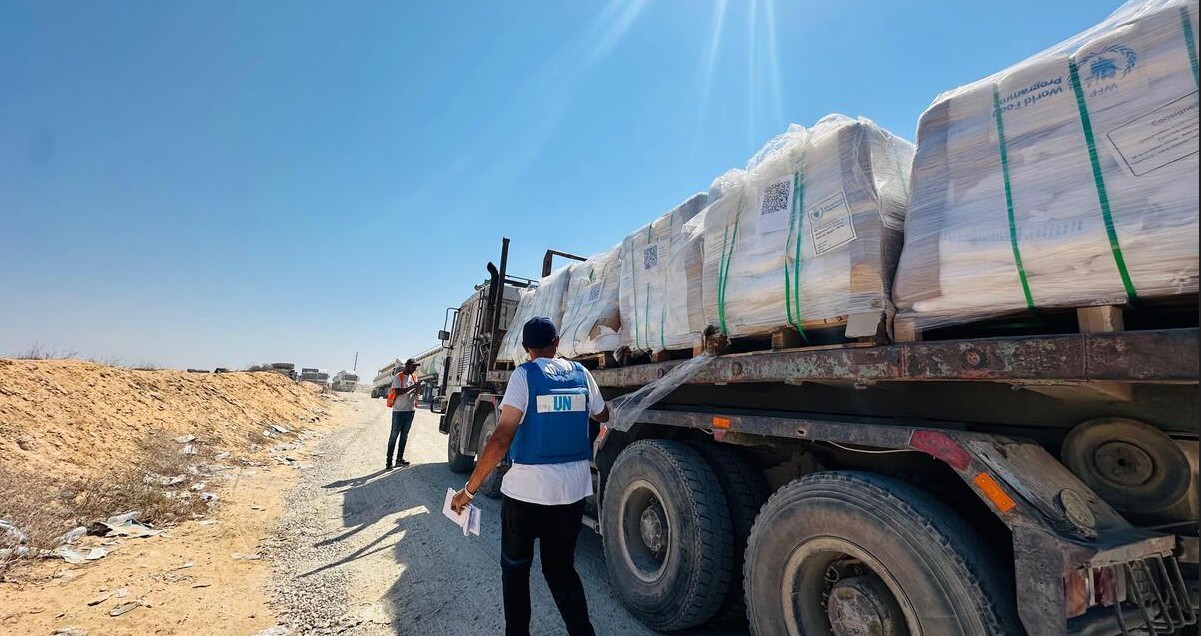
Currently, 117 million people are forcibly displaced, while nearly 40 million face severe hunger requiring urgent intervention. Meanwhile, global humanitarian funding has dropped by 50 per cent, leaving the system underprepared to respond to escalating crises in 2026.
The report describes a “New World Disorder” marked by intensifying geopolitical rivalries, shifting alliances, and transactional deal-making. This disorder is fuelling conflicts and eroding international support for vulnerable populations.
In Sudan, warring parties and their backers are profiting from the gold trade, deepening violence and devastating civilian populations. Attacks on schools have risen by nearly 50 per cent, while hospitals, shelters, and essential infrastructure in Gaza have been bombed or cut off from aid.
David Miliband, President and CEO of the IRC, said: “The scale of the crisis in Sudan, ranking first on this year’s Watchlist for the third consecutive year and now the largest humanitarian crisis ever recorded, is a signature of this disorder. Civilians are paying the price today. Without urgent action, 2026 risks becoming the most dangerous year yet.”
Effective solutions exist
Despite these challenges, the IRC emphasises that effective solutions already exist and are proving successful.
In Sudan, Ethiopia, and South Sudan, the organisation is providing life-saving immunisation services in areas otherwise inaccessible due to conflict.
In Somalia and Nigeria, the IRC and its partners are anticipating predictable climate-related threats to mitigate their impact on vulnerable communities.
The IRC’s recommendations include reinvigorating diplomacy to disrupt war economies, protecting civilians, combating impunity, and targeting aid more effectively.
It calls on UN member states to support suspensions of Security Council vetoes in cases of mass atrocities, strengthen humanitarian access, and expand official development assistance. At least 60 per cent of aid should go to fragile and conflict-affected states, with 30 per cent directed specifically to Watchlist countries.
The IRC warns that without coordinated international intervention, worsening crises in Sudan, South Sudan, the occupied Palestinian territory, and other high-risk countries will continue to inflict severe humanitarian suffering in 2026 and beyond.
Other Topics To Read
Top Stories Today