KNEC rolls out instant digital verification system for KCSE certificates to eliminate delays, fraud
Listen
Read this story aloud
Listen to the clean text version of this article.
Users will be required to enter certificate details, pay via eCitizen and instantly generate an authentication report. The process, powered by encrypted QR codes, removes human intervention and reduces verification time from days to minutes.
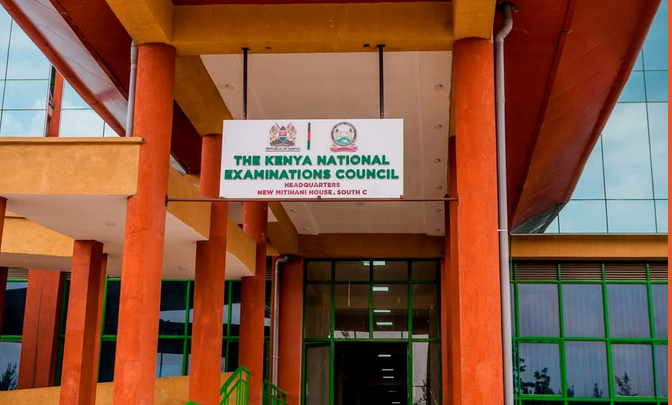
The Kenya National Examinations Council (KNEC) certificates will now be authenticated through a secure digital platform developed by KNEC, allowing users to confirm their validity in real time using encrypted QR codes and online verification tools.
According to the Council, the move is aimed at improving trust and speeding up verification processes. Previously, applicants were required to submit verification requests through the council’s portal, pay fees of Sh2,320 for local institutions, Sh3,480 for international checks and an additional Sh1,392 for email delivery, then wait up to 10 days for manual confirmation of authenticity.
The delays often led to missed job and academic opportunities.
More To Read
- Former KCSE, KCPE candidates can now download certificates online as KNEC introduces E-Certificate platform
- KNEC opens Grade 10 exam registration, gives schools until July 30 to enrol learners
- KNEC sets July 6 start for TVET examinations registration
- Over 151,000 learners drop out before completing junior school, KNEC data shows
- KNEC launches SMS service for parents to confirm exam entries
- 13 police recruits charged over allegedly forging KCSE certificates
However, under the new system, KNEC Chief Executive Officer David Njeng’ere said KCSE certificate records will be pre-loaded into a secure electronic platform.
Users will be required to enter certificate details, pay via eCitizen and instantly generate an authentication report. The process, powered by encrypted QR codes, removes human intervention and reduces verification time from days to minutes.
“This innovation is part of our efforts to secure the integrity of certificates in Kenya. The system is efficient and will allow anyone with a smartphone to authenticate certificates issued by KNEC. This only applies to certificates issued from 2023,” Njeng’ere said.
Latest Stories
KNEC Principal Examination Officer TVET Moses Kataka explained that QR code verification applies to certificates issued from 2023 because they were digitised and secured using blockchain technology.
“What about certificates issued before 2023? KNEC has provided an alternative: the e-certificate system, an online platform designed to complement the QR code system. Since QR codes only support certificates from 2023 onwards, Kenyans with earlier certificates can still access digital verification through this e-certificate service,” Kataka said.
He added that applicants must sign into the portal, enter their email address and receive a one-time password before accessing the system. Once verified, users can request an e-certificate linked directly to KNEC’s blockchain records.
The QR-based system, branded TrueCert, converts each KCSE certificate into a digital token. Unlike ordinary QR codes, TrueCert embeds a cryptographically locked package containing a candidate’s name, index number and grades. Even if fake codes are generated, fraudsters cannot access Knec’s private encryption keys.
Verification begins with payment through eCitizen, after which the scanning feature is activated. A certificate is confirmed authentic when the decrypted data matches official Knec records. A red flag appears if signatures are invalid, data is altered, or serial numbers are flagged as void.
KNEC ICT officer Francis Lekupe said the previous manual system relied heavily on physical checks that were slow and prone to error.
“Before this system, the integrity of certificates relied heavily on physical features like watermarks and seals, which could be replicated. Employers had no reliable way to distinguish between genuine documents and sophisticated forgeries,” he said.
“Verification typically required manual cross-checking of records, which was not only slow but also prone to human error. It created unnecessary bureaucracy and increased the cost of confirming academic credentials.”
Lekupe also noted that the manual process forced employers and institutions to write to Knec or visit offices physically, sometimes taking weeks.
KNEC official Ahmed Mutanga said the new system protects institutional credibility.
“KNEC risks suffering reputational damage if the certificates we issue cannot be trusted. That is why we partnered with our security printers in 2023 to introduce unique QR codes that can be scanned by a mobile phone to determine whether a certificate is genuine,” he said.
The council also said the system will strengthen Kenya’s global reputation.
“Before TrueCert, foreign universities faced logistical delays and weeks of correspondence to verify Kenyan candidates. Now, verification is instant, secure and globally accessible,” Knec said.
Other Topics To Read
Top Stories Today
















































Comments
Sign in with Google to comment, reply, and like comments.
Continue with Google