Doctors hail High Court ruling mandating regulation of remote radiology services
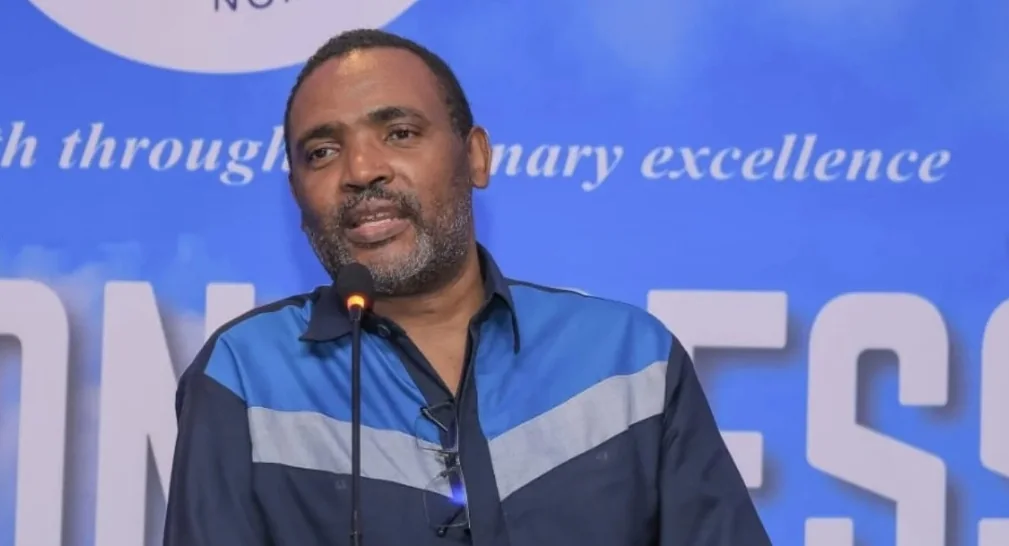
The Kenya Medical Association (KMA) and the Kenya Association of Radiologists (KAR) said the judgment was a significant step toward safeguarding patient safety, professional standards and ethical medical practice.
Doctors have raised concerns over the use of unregulated teleradiology and medical image reporting services, saying the practice is exposing patients to risks such as misdiagnosis, delayed treatment, breaches of confidentiality and a lack of professional accountability.
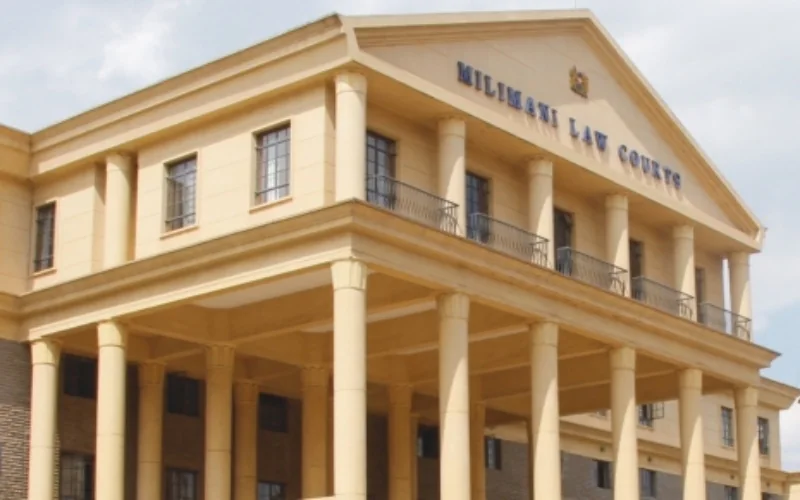
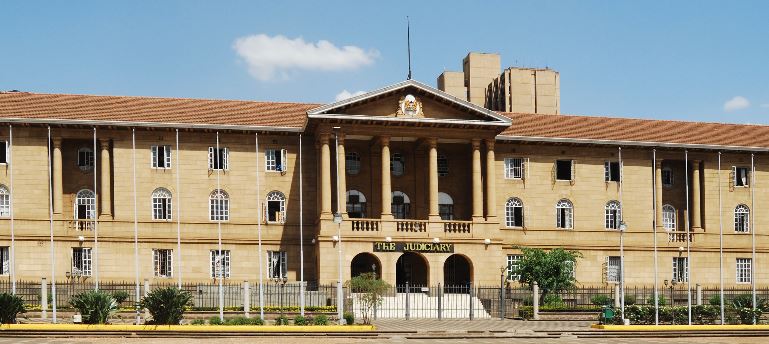
The concerns come in the wake of a landmark High Court ruling that reinforced the regulation of medical image interpretation, teleradiology services and digital health platforms, while emphasising the need to protect patients' constitutional rights.
In a joint statement issued on June 11, the Kenya Medical Association (KMA) and the Kenya Association of Radiologists (KAR) said the judgment was a significant step toward safeguarding patient safety, professional standards and ethical medical practice.
More To Read
- High Court suspends AI-powered teleradiology firm, Rology, over data privacy concerns
- Public officers to access expanded healthcare under new SHA contracts
- Ministry of Health launches JALI WhatsApp Chatbot to fight Ebola misinformation
- UHC health workers issue notice for Nairobi demo over gratuity and employment disputes
- Kenya on high alert as WHO delivers 1,000 Ebola PPE kits to strengthen outbreak preparedness
- Kenya quarantines 37 travellers from Congo-Brazzaville amid Ebola threat
The associations noted that radiology reporting is a highly specialised medical service that directly influences critical decisions involving surgery, cancer treatment, emergency care and other life-saving interventions. They argued that every patient has a right to know that the doctor interpreting their scans is properly trained, identifiable, accountable and licensed to practise medicine.
"Radiological reports influence critical medical decisions, including surgery, cancer treatment, emergency care, and life-saving interventions. For this reason, every patient in Kenya deserves to know that the doctor interpreting their CT scan, MRI, ultrasound, X-ray, mammogram, or other imaging examination is appropriately trained, identifiable, accountable, and licensed to practise medicine in accordance with Kenyan law," the statement read in part.
The doctors' bodies expressed concern over the growing use of digital platforms that transmit patients' scans and sensitive medical information to individuals operating outside the country whose identities, qualifications and registration status cannot be independently verified by local regulators.
Latest Stories
- Nakuru Bunge la Mwananchi speaker arrested over alleged incitement
- New scramble: Why health data is the Africa’s next strategic resource
- US orders suspension of Anthropic new models over national security concerns
- Veteran Journalist Elias Makori quits AFCON 2027 organising committee over unpaid dues, work culture
According to KAR and KMA, such arrangements expose patients to serious risks, including inaccurate diagnoses, inappropriate treatment, preventable harm and breaches of confidential health information.
The associations also urged hospitals, imaging centres and healthcare providers to review their radiology reporting arrangements and ensure that all medical images are interpreted by qualified specialist radiologists registered and licensed by the Kenya Medical Practitioners and Dentists Council (KMPDC).
They further called on KMPDC, the Ministry of Health, the Digital Health Agency and data protection authorities to strengthen enforcement of existing laws governing healthcare services and patient data.
While backing innovation, artificial intelligence and digital transformation in healthcare, the associations stressed that technology should enhance patient care rather than bypass professional regulation and patient safeguards.
"This position is not against technology. It is against unsafe, unregulated, and unaccountable medical practice. The future of healthcare must be innovative; but above all, it must remain safe, ethical, and centred on the patient," they stated.
Top Stories Today










































Comments
Sign in with Google to comment, reply, and like comments.
Continue with Google