A total of 18 learners have lost their lives since April 2026, following a wave of school unrest across the country, with the Ministry of Education recording 330 incidents, including 95 fire cases and 34 attempted arson attacks.
The deaths, including the 16 learners from Utumishi Girls Academy, have raised concerns over school safety, discipline and leadership in learning institutions.
School heads have, however, rejected claims that they are solely responsible for the growing crisis, saying the causes of the unrest must be established through investigations.
Speaking ahead of the 49th Kenya Secondary School Heads Association (KESSHA) Annual National Delegates Conference in Mombasa, the principals said it was unfair to place the blame entirely on school leadership.
KESSHA National Chairperson Willie Kuria said the unrest experienced during the second term of 2026 had been one of the most difficult periods for school administrators, adding that the issue would be among the key topics discussed during the conference.
“This term, we have experienced several cases of unrest in schools and, definitely, this is one of the key issues we shall discuss at the conference,” Kuria told The Nation. “We will share experiences from different parts of the country on what happened and explore the way forward. It has been a very challenging period for school heads.”
The conference, which has brought together about 9,000 secondary school principals from across the country, is expected to focus on the causes of school unrest, prevention measures and ways of improving school leadership.
The Ministry has linked some of the disturbances to weaknesses in school administration, saying principals have a key role in maintaining discipline, ensuring learner safety and providing support to students.
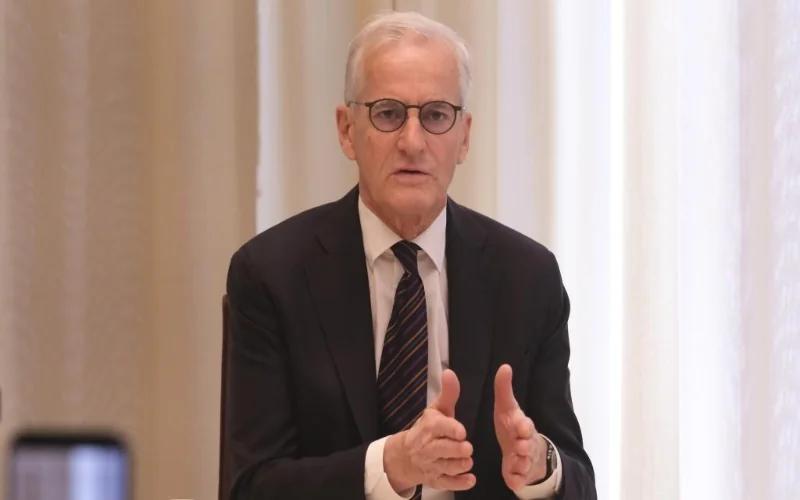
 Kenya Secondary Schools Heads Association National Chairperson Willy Kuria. (Photo: File/Ministry of Education)
Basic Education Director General Elyas Abdi said investigations into the incidents had raised concerns over leadership gaps in some institutions.
Elyas said 185 of the 330 reported cases involved student agitations that did not result in serious damage or injuries.
“I am sorry to report that we have had 95 fire incidents. Out of these, 18 resulted in fatalities,” he said. “In addition to the 16 deaths at Utumishi Academy, we have lost two boys in Eastern Kenya and another in Western Kenya.”
However, KESSHA officials said the situation was more complex and should not be blamed on school heads before investigations are completed.
Kuria said authorities should first conclude their inquiries before assigning responsibility for the arson attacks.
“Whenever such incidents occur, investigations are conducted. We are waiting to hear from the relevant authorities and education officials on their findings regarding those responsible for the arson attacks,” he said.
He proposed that learners who struggle with boarding school life should be allowed to transfer to day schools where they can receive closer supervision from their parents.
“There are learners who are not comfortable in boarding schools. Such learners should be allowed to join day schools where they can be closely monitored by their parents. Boarding schools require a high level of responsibility and discipline. Those who are unable to cope with boarding regulations can continue their education as day scholars,” Kuria said.
The proposal is expected to be discussed during the week-long KESSHA conference held under the theme, “Strong Schools and Collaborative Leadership for Promoting Competency-Based Education (CBE).”
The meeting comes at a time when schools are also dealing with challenges, including funding shortages, delays in learning materials for senior school learners and concerns over learner welfare.
 The dormitory at Utumishi Girls Academy in Gilgil, Nakuru County, where a fire claimed the lives of 16 students. (Photo: National Police Service)
Kuria said the conference would provide a platform for principals and education stakeholders to discuss solutions to challenges affecting schools.
“We want to strengthen school leadership, foster collaboration among education stakeholders and ensure the successful implementation of CBE,” he said. “This conference remains the premier forum that brings together principals from secondary schools across the country.”
The conference will also focus on education financing, mental health, digital learning, teacher management and school governance.
Education Cabinet Secretary (CS) Julius Ogamba is expected to address delegates on strengthening reforms, while Basic Education Principal Secretary John Ololtuaa will moderate discussions between ministry officials and school heads.
Other speakers expected at the conference include Acting Kenyatta University (KU) Vice-Chancellor, Prof John Okumu, President’s Council of Economic Advisors Chairman David Ndii, Dr Njoki Fernandes and World Bank consultant Dr Joan Ngunnzi.
The conference will be officially opened by the Head of Public Service, Felix Koskei and closed by CS Ogamba, alongside Mombasa Governor Abdullswamad Nassir and other Ministry officials.


















































Comments
Sign in with Google to comment, reply, and like comments.
Continue with Google