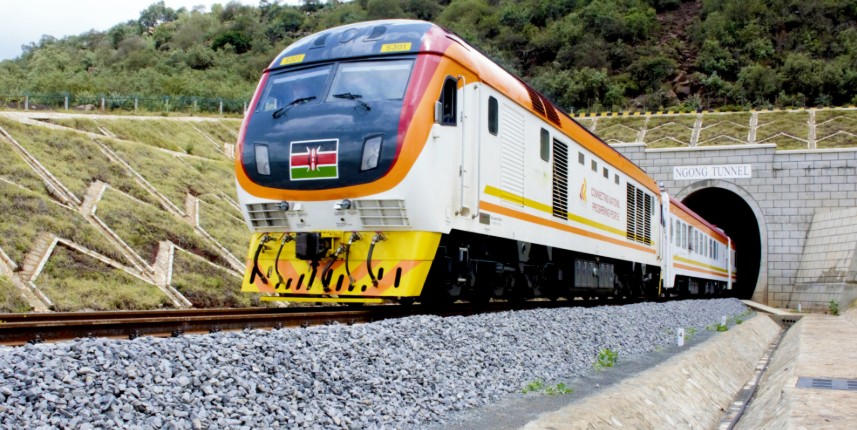
A new report by Transparency International Kenya has identified the Standard Gauge Railway (SGR) as the country’s highest-risk infrastructure project for corruption, citing weak oversight, opaque procurement and limited public scrutiny.
The report, dubbed the Corruption Risk Assessment of Infrastructure Projects in Kenya, highlights that governance failures, secrecy in contractual arrangements and poor accountability systems exposed the multibillion-shilling railway project to a very high corruption risk.
The assessment found that the SGR scored 4.49 out of five on the Infrastructure Corruption Risk Assessment Tool (ICRAT), making it the most vulnerable among the three major infrastructure projects reviewed between September 2025 and March 2026.
The report states that Kenya could have avoided the heavy repayment burden linked to the railway had proper due diligence been carried out before the project was approved.
“By November 2024, the original Sh539 billion loan used to finance the first two phases had ballooned to Sh737.5 billion due to accumulated interest from delayed repayment. The cost is too much for a struggling country,” reads the report.
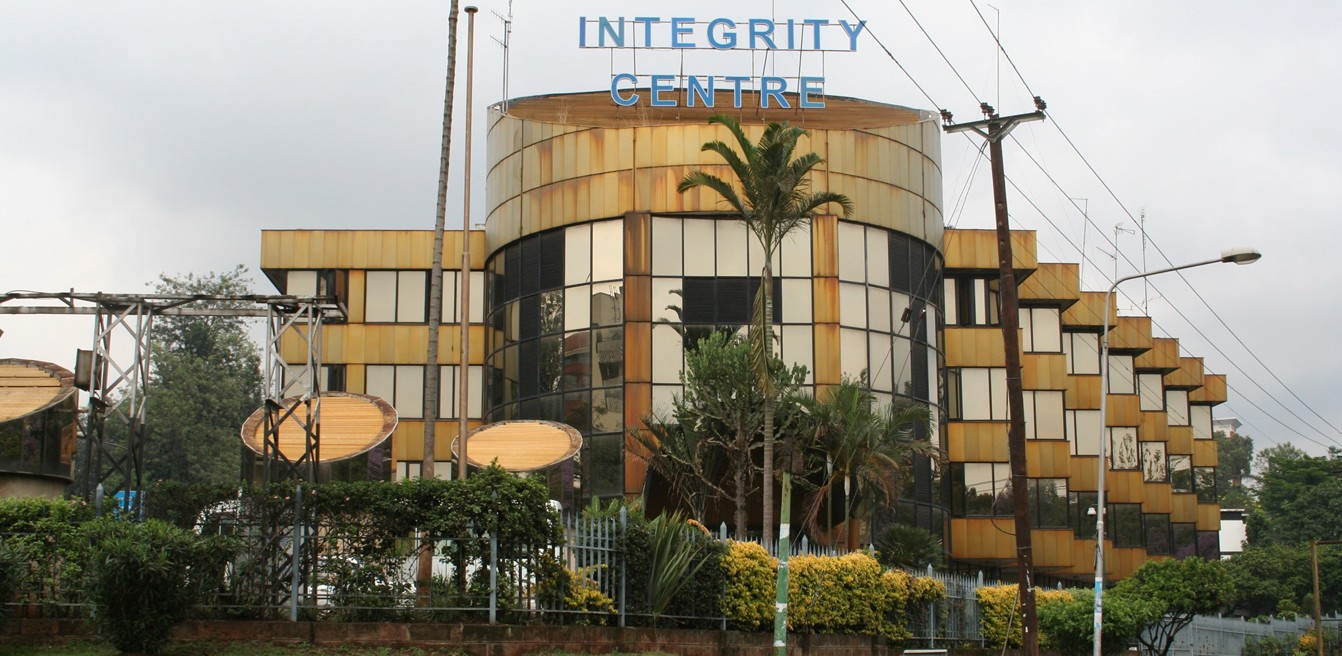
The assessment examined Kenya’s wider governance environment and the systems used by the Kenya Railways Corporation, the agency responsible for implementing the project.
Researchers identified several gaps that contributed to the high-risk rating, including limited transparency in procurement, lack of access to contracts, weak grievance systems, inadequate public participation and failure to disclose full project costs and financing details.
The findings come as Kenya continues repaying loans used to fund the railway, which was launched during the administration of former President Uhuru Kenyatta as part of efforts to modernise the country’s transport infrastructure.
The SGR was developed under Kenya’s Vision 2030 plan, with the first phase connecting the Port of Mombasa to Nairobi before the line was extended to Naivasha. Plans had been made to expand the railway to Kisumu and Malaba.
However, Transparency International Kenya says weaknesses in the project selection and approval process affected the expected benefits of the railway.
According to the report, the first phase of the SGR cost about Sh490.9 billion, with 90 per cent of the funding coming from Chinese loans. The second phase, which extended the railway from Nairobi to Naivasha, cost an additional Sh193.8 billion.
The organisation said the financial pressure caused by the project could have been reduced if the government had subjected it to a stronger review before implementation.
The report described the approval process as investor-led and not open to sufficient public involvement, saying major decisions were influenced by external financiers and contractors while public oversight remained limited.
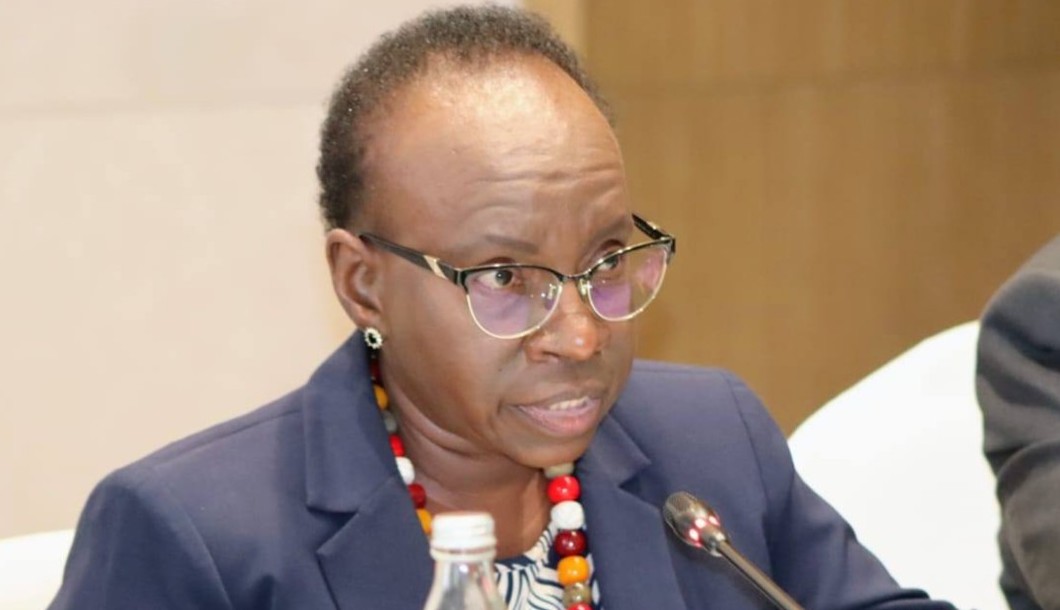
Transparency International Kenya Monitoring, Evaluation, Research and Learning Coordinator Caroline Maina said the approach created gaps in accountability and reduced scrutiny of key decisions.
The report also raised concerns over the reliance on foreign financing, limited parliamentary oversight and restricted access to information, which it said should have triggered more scrutiny during the planning stage.
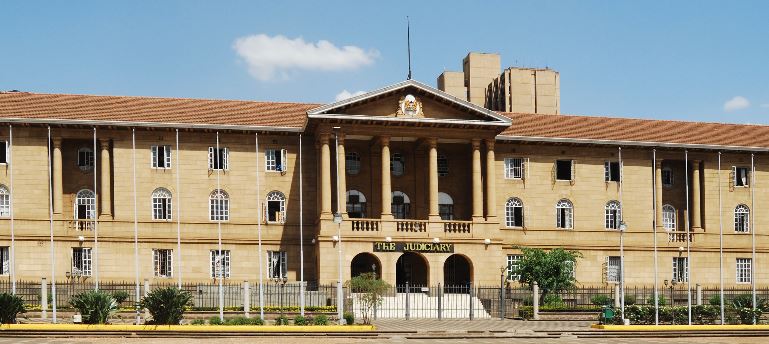
It further highlighted previous concerns over procurement procedures used in awarding contracts for the railway, citing court findings that questioned the legality of the process.
The study found that details on the total project cost, loan agreements and expenditure were not easily available to the public, making it difficult for citizens and oversight bodies to determine whether the country received value for money.
The report also raised concerns over contractual clauses requiring disputes linked to the project to be settled through arbitration in Beijing, China.
It noted that confidentiality provisions prevented parties from publicly sharing information obtained during the implementation of the contracts, limiting transparency and accountability.
The findings come amid wider concerns over public infrastructure management in Kenya. The report states that the country loses more than Sh600 billion annually through stalled and poorly managed infrastructure projects.
Kenya’s overall governance environment was rated as high risk, scoring 4.125 out of five on the corruption risk scale.
The report identified weaknesses in whistleblower protection, continued public concerns over corruption, gaps in procurement systems and the influence of powerful networks in public decision-making as some of the factors contributing to the rating.
It also pointed to challenges in implementing laws such as the Access to Information Act and the Public Finance Management Act, saying compliance remains inconsistent.
Transparency International Kenya said weak public participation, poor record keeping, unclear procurement processes and vested interests continue to affect major public investments.
The organisation recommended that the government should publish project selection documents, contracts and implementation reports, while strengthening parliamentary oversight.
As Kenya prepares for future major projects, including the planned extension of the SGR from Naivasha to Malaba, the report warned that lessons from the railway project must guide future infrastructure decisions.

























Comments
Sign in with Google to comment, reply, and like comments.
Continue with Google