HIV commodities could soon be included in Kenya’s mainstream government procurement system as part of a new plan to reduce dependence on donor funding and ensure uninterrupted access to antiretrovirals, test kits and prevention supplies.
According to the Kenya AIDS Integration Strategic Framework (KAISF) 2025-2030, published by the National Syndemic Diseases Control Council (NSDCC), the country aims to fully integrate all HIV commodities into the Kenya Essential Medicines List and county procurement plans by 2030.
The framework proposes a phased transition that will see 20 per cent of HIV commodities incorporated into the Kenya Essential Medicines List and county procurement plans in the first year. The integration will then increase to 40 per cent, 60 per cent and 80 per cent in the following years before reaching full integration by 2030.
“Mainstream commodities for HIV and related diseases into the Kenya Essential Medicines List and county essential lists and include them in the annual budgeting and procurement cycles of the general health system managed by Kemsa and county governments to ensure uninterrupted availability of essential HIV and related disease commodities,” NSDCC said in the framework.
“Under the KAISF, the country aims to achieve full domestic financing of the HIV response by 2030. This will require both the national and county governments to gradually take on the costs that donors have covered for decades.”
Currently, more than 80 per cent of HIV commodities are funded by donor support organisations such as the Global Fund.
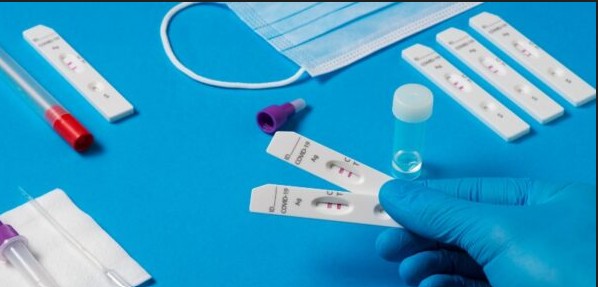
The supplies, including antiretrovirals, pre-exposure prophylaxis (PrEP), condoms and viral load testing reagents, are currently procured, forecasted and distributed through donor-funded systems that largely operate outside normal government procurement structures.
Under the new plan, HIV commodities listed under the Kenya Essential Medicines List will become eligible for government budgeting, national quantification and pooled procurement through Kemsa, similar to vaccines and other essential health products.
The framework noted that the need to strengthen local systems was highlighted last year after a United States stop-work order disrupted several PEPFAR-supported programmes across counties, exposing risks associated with dependence on donor-supported supply chains.
Kenya’s HIV commodity requirements between 2025 and 2030 are projected to exceed Sh150 billion, according to national quantification estimates included in the framework.
The strategy also requires counties to maintain a buffer stock of at least three months of critical HIV commodities. It further calls for HIV forecasting and quantification to be included in the Ministry of Health’s wider commodity planning systems.
Beyond changing procurement systems, the framework outlines plans to increase local production of HIV-related commodities.
Kenya aims to manufacture at least 50 per cent of its HIV commodities locally by 2030 through public-private partnerships, investment incentives and industrial policy measures aimed at reducing dependence on imported supplies.
The reforms are part of a wider plan to increase domestic funding for HIV programmes. Currently, Kenya finances less than 40 per cent of its HIV response through local resources.



































Comments
Sign in with Google to comment, reply, and like comments.
Continue with Google