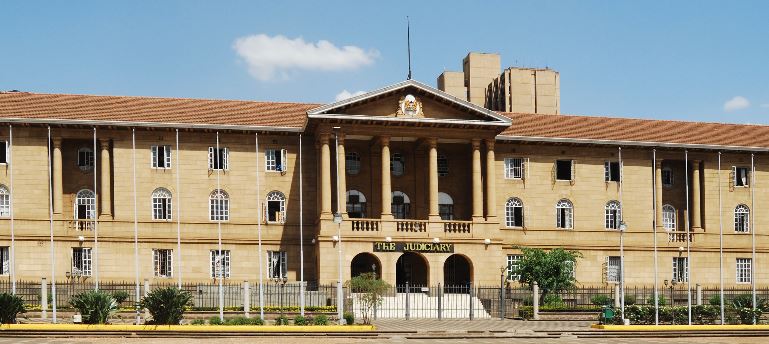
The High Court will this week shift proceedings from the courtroom to the forests at the centre of the Shakahola and Kwa Bi Nzaro investigations, as judges seek to better understand the physical environment where prosecutors allege followers of controversial preacher Paul Mackenzie were subjected to extreme religious indoctrination that led to deaths.
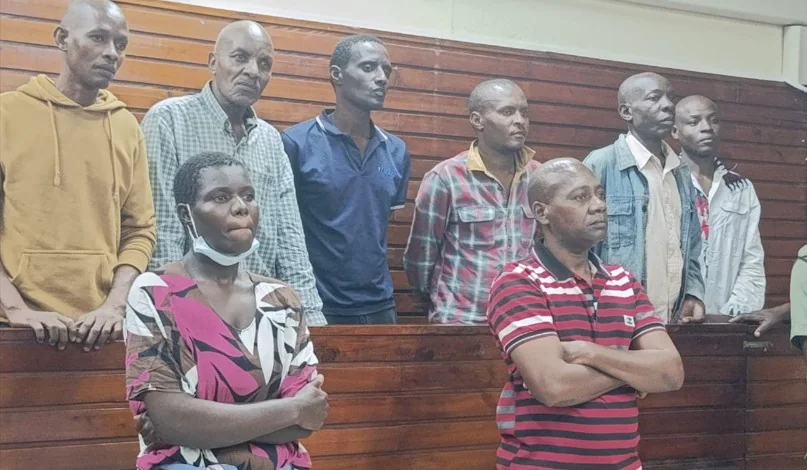
The site visit forms part of the ongoing trial in which Mackenzie, Sharleen Temba Anindo alias Ann, and other suspects face charges linked to the deaths of followers whom prosecutors say were convinced that starvation was a path to salvation.
The court will inspect sites in Malindi, Shakahola forest and Kwa Bi Nzaro forest, areas investigators say were linked to the movement of followers before their deaths.
The visit is expected to give the court a clearer understanding of how the alleged activities were organised, including where victims were accommodated, separated and held before being taken to forest camps.
Prosecutors argue that physically examining the locations will help the court test witness testimonies describing a system in which followers were allegedly isolated from their families, instructed to fast, and prevented from leaving.
During the trial, several witnesses have told the court they lost relatives, including children, after joining Mackenzie’s Good News International Church.
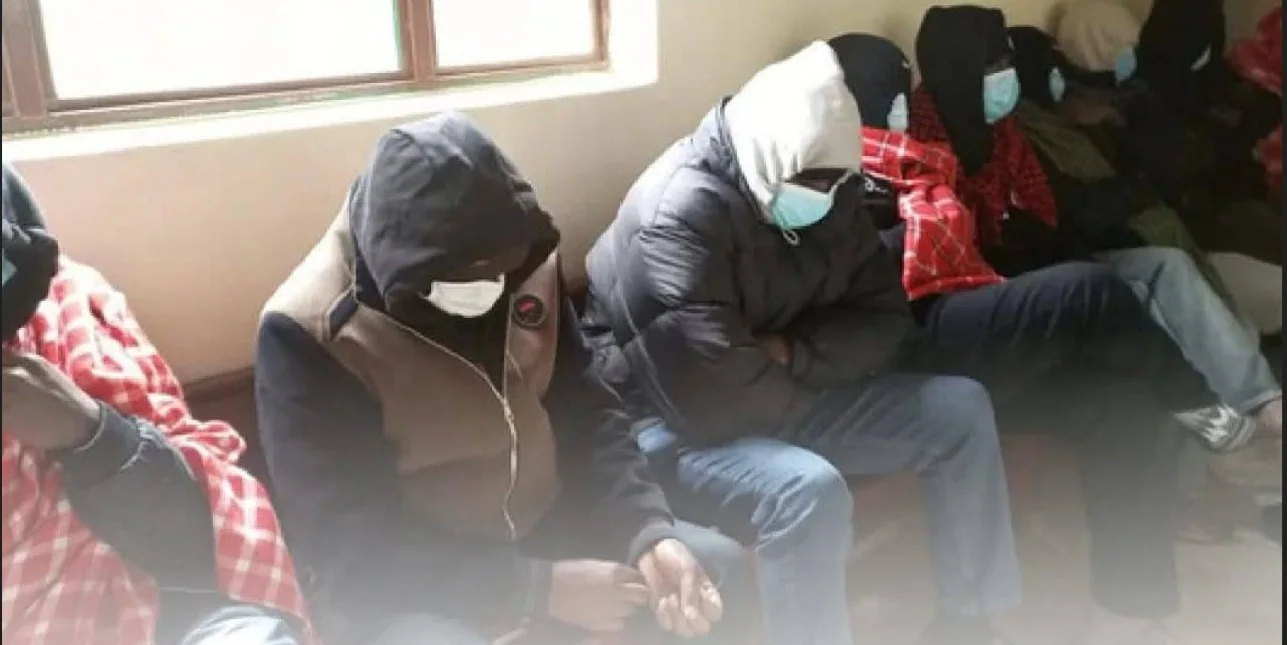
Some witnesses have described arriving in Malindi before being moved to forest locations, where they say followers were encouraged to continue fasting despite deteriorating health.
The inspection will also focus on temporary structures where witnesses claim adults and children were kept separately.
The court is expected to examine the layout of these structures and surrounding areas while weighing testimony from survivors who describe being unable to intervene as their family members grew weaker.
A key issue before the court is how the alleged activities continued across multiple locations and whether the sites formed part of a single coordinated operation.
Prosecutors have presented evidence linking Shakahola, where hundreds of bodies were recovered in 2023, with Kwa Bi Nzaro, where more than 50 deaths were later reported.
The court will also assess the proximity of the two forest areas and consider testimony from witnesses who say some survivors of the Shakahola tragedy later ended up at Kwa Bi Nzaro.
It will further seek to determine whether there was continuity between the two incidents despite heightened security attention following the Shakahola discoveries.
The Malindi visit will also focus on houses described by witnesses as temporary accommodation points where followers from different parts of the country were allegedly received before being transported to the forests.
Some witnesses told the court they spent time in these premises before being moved at night to locations where fasting practices were carried out.
The prosecution maintains that a physical assessment of the sites is necessary because the case relies heavily on witness accounts, photographs, and investigative findings collected after the deaths.
The state argues that viewing the locations directly will allow the court to situate the evidence within the actual environment in which the alleged crimes occurred.
The case has drawn national attention following the discovery of mass graves in Shakahola, where more than 450 bodies were recovered from the forest. The Kwa Bi Nzaro proceedings relate to another set of deaths, with the state charging Mackenzie and five others over the alleged killing of 23 children.
The accused persons, including Mackenzie, Anindo, Kahindi Kazungu Garama, Tom Ochieng Mkonwe, Julius Thuva Luwali and Johnson Gona Richard, have denied the charges.
Two other suspects, Charles Mutua Musee and James Kazungu Kahindi, face separate charges alleging they assisted some of the accused persons in evading arrest. They have also denied wrongdoing.
The court’s visit marks a significant stage in the trial as judges seek to connect courtroom testimony with the physical locations where prosecutors allege the events took place.




























Comments
Sign in with Google to comment, reply, and like comments.
Continue with Google